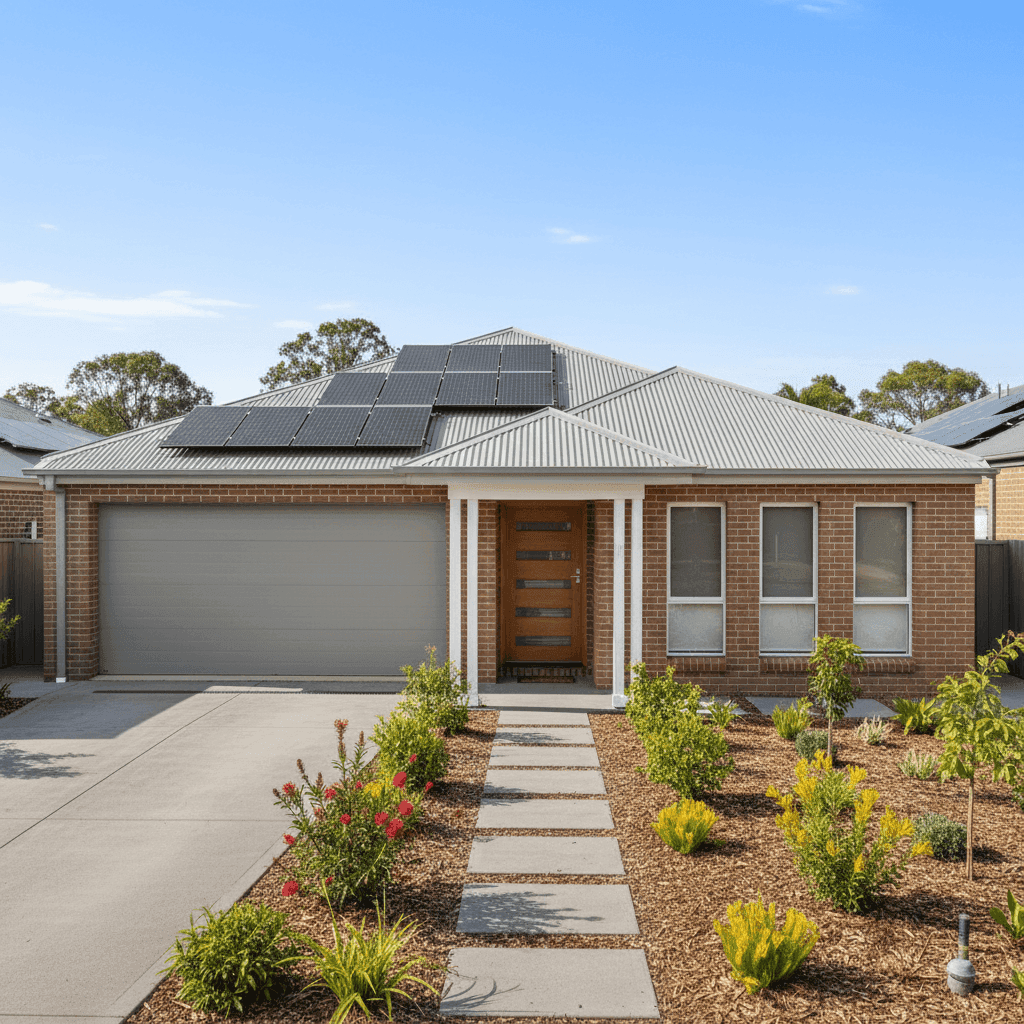
If you own a free standing home in Kirkwood, QLD 4680, you've probably wondered whether you're paying a fair price for home insurance — or quietly overpaying. This article breaks down a real home and contents insurance quote for a four-bedroom property in Kirkwood, benchmarks it against Queensland and national data, and offers practical advice to help you get the most from your cover.
---
Is This Quote Fair?
The annual premium on this quote comes in at $3,207 per year (or roughly $314 per month) for a combined home and contents policy. The building is insured for $1,217,000 and contents for $120,000, with a building excess of $5,000 and a contents excess of $2,000.
Our price rating for this quote is CHEAP — below average. That's a positive result for the homeowner. Given the level of cover and the value of the assets being protected, paying below the typical market rate is a meaningful saving, particularly in Queensland where premiums have been climbing steadily in recent years due to increased weather-related claims and rising rebuild costs.
It's worth noting that a higher excess (like the $5,000 building excess here) does contribute to a lower premium. If you ever need to make a claim, you'll need to cover that amount out of pocket before your insurer steps in — so it's a trade-off worth keeping in mind.
---
How Kirkwood Compares
Suburb-level comparison data isn't available for Kirkwood at this stage, but we can draw meaningful context from both state and national figures. For the full picture on local pricing trends, visit the Kirkwood suburb stats page.
Here's how this quote stacks up:
| Benchmark | Premium |
|---|---|
| This Quote | $3,207/yr |
| QLD State Average | $9,129/yr |
| QLD State Median | $3,903/yr |
| National Average | $5,347/yr |
| National Median | $2,764/yr |
The Queensland state average of $9,129 is eye-watering — a reflection of the elevated risk profile across much of the state, driven by flooding, storms, and cyclone exposure in northern regions. At $3,207, this Kirkwood quote sits 65% below the Queensland average and 40% below the national average. It also comes in below the QLD median of $3,903, which means it's genuinely competitive even by the state's more modest midpoint.
Compared to the national median of $2,764, the quote is slightly higher — but that's entirely reasonable given the building sum insured of over $1.2 million, which is well above the typical insured value for many Australian homes.
You can explore broader Queensland pricing trends on the QLD insurance stats page, or compare against the national averages if you want a wider lens.
---
Property Features That Affect Your Premium
Several characteristics of this property influence how insurers price the risk — and in this case, many of them work in the homeowner's favour.
Brick veneer construction is generally viewed positively by insurers. It offers solid fire resistance and structural durability compared to weatherboard or lightweight cladding, which can translate into lower premiums or broader cover eligibility.
Steel/Colorbond roofing is another tick in the right column. Colorbond is lightweight, highly durable, resistant to corrosion, and performs well in storms. It's a common and well-regarded roofing choice across Queensland, and insurers typically price it favourably.
Slab foundation provides stability and is less susceptible to subsidence or pest damage compared to raised timber stumps — a factor that reduces certain risk categories for insurers.
Tile flooring is durable and low-maintenance, and doesn't carry the same water or fire risk as carpet or timber floors. This is a minor but positive factor in the overall risk profile.
Solar panels are worth a special mention. While they add value and are generally covered under most building policies, it's important to confirm with your insurer that the panels are explicitly included in your sum insured. Damage to solar systems from storms or hail can be costly to repair, and some policies treat them as optional extras.
Ducted climate control adds to the replacement value of the home and is factored into the building sum insured. At $1,217,000, the insured amount appears to reflect the quality fittings and 244 sqm floor area of this above-average-quality home.
No pool simplifies the risk profile slightly — pools can introduce liability considerations and additional maintenance-related claims.
Importantly, Kirkwood is not classified as a cyclone risk area, which is a significant factor in keeping premiums lower than many other parts of Queensland. Properties in cyclone-prone regions like Cairns or Townsville often attract substantial loading on their premiums.
---
Tips for Homeowners in Kirkwood
1. Review your sum insured regularly With construction costs rising across Australia, the cost to rebuild your home may have increased since your policy was last updated. A 244 sqm home with above-average fittings and ducted air conditioning can be expensive to reconstruct — make sure your building sum insured keeps pace. Underinsurance is one of the most common and costly mistakes homeowners make.
2. Confirm solar panel coverage Solar panels are now a significant asset in many Queensland homes. Check your policy wording to ensure your panels are covered for storm, hail, and accidental damage — and that the replacement cost is reflected in your building sum insured.
3. Understand your excess before you claim This policy carries a $5,000 building excess, which is on the higher end. While it helps reduce the annual premium, it means smaller claims may not be worth lodging. Factor this into your emergency fund planning so you're not caught short if something does go wrong.
4. Shop around at renewal time Even with a competitive premium like this one, it pays to compare at renewal. Insurers adjust their pricing models regularly, and loyalty doesn't always translate into the best deal. Use a comparison tool to benchmark your renewal quote against the market each year.
---
Compare Your Quote with CoverClub
Whether you're renewing your existing policy or shopping for the first time, it's always worth seeing what else is available. CoverClub makes it easy to compare home and contents insurance quotes across a range of Australian insurers — so you can be confident you're getting value for money. Start comparing quotes today and see how your premium stacks up.