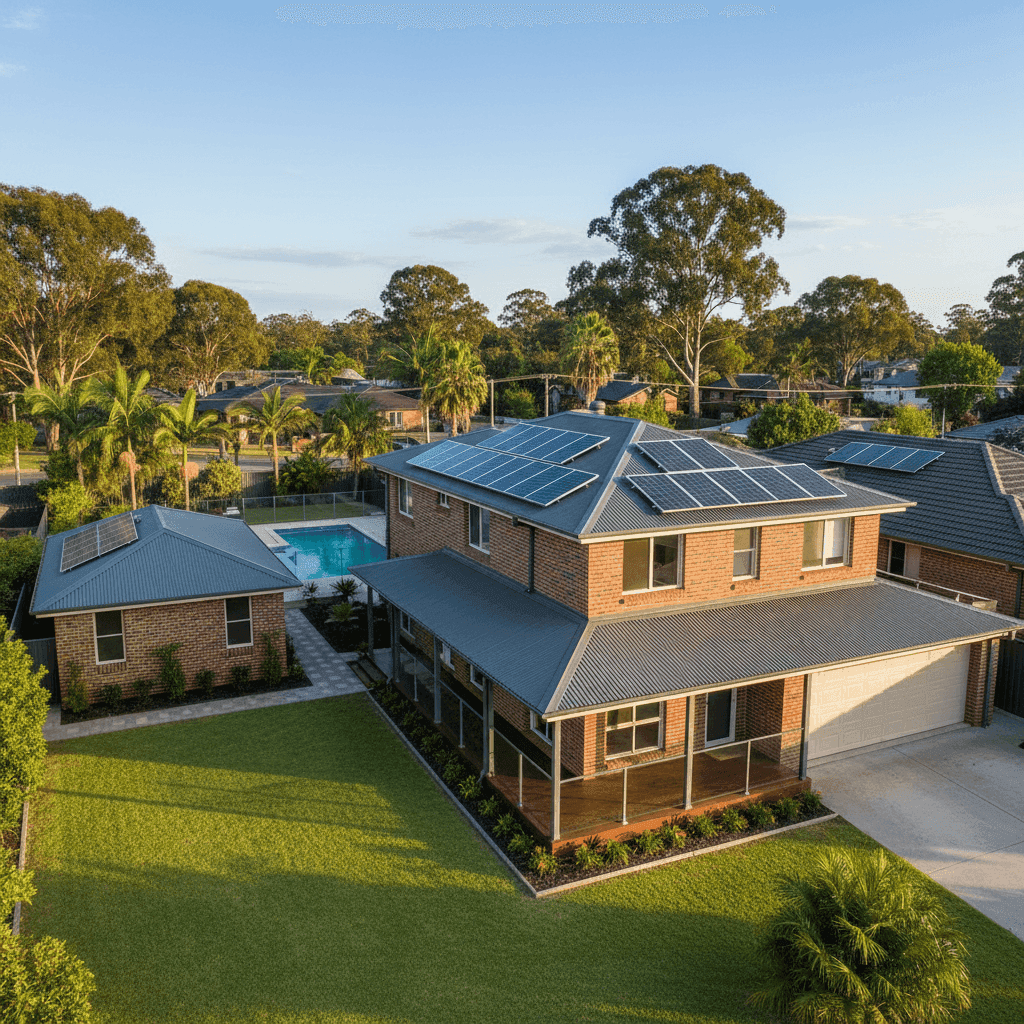
Kogarah is a well-established suburb in Sydney's south, sitting within the Georges River local government area and just a short drive from Botany Bay. It's the kind of neighbourhood where solid brick homes built in the post-war decades still line the streets — and if you own one of them, you'll know that insuring it properly is no small matter. This article breaks down a real home and contents insurance quote for a four-bedroom free standing home in Kogarah, examining whether it represents good value and what factors are driving the cost.
---
Is This Quote Fair?
The quote in question comes in at $5,139 per year (or $493/month) for a combined home and contents policy, covering a building sum insured of $1,503,000 and contents valued at $499,999. Both the building and contents excess are set at $1,000.
Our price rating for this quote? Cheap — below average. That's genuinely good news for the homeowner.
To put it in perspective: the NSW state average premium sits at $9,528 per year, meaning this quote is roughly 46% below what the average NSW homeowner pays. Even against the state median of $3,770, this quote is higher — but the state median doesn't account for the significantly elevated sum insured here. A building cover of $1.5 million is well above a typical policy, so paying $5,139 for that level of protection is a strong outcome.
Compared to national benchmarks, the picture is equally favourable. The national average sits at $5,347/year and the national median at $2,764/year. This quote is fractionally below the national average despite covering a premium-value property with above-average fittings, a pool, solar panels, ducted climate control, and a granny flat — all features that typically push premiums upward.
In short: this is a competitively priced policy for the level of cover being provided.
---
How Kogarah Compares
Kogarah (NSW 2217) sits within the Georges River LGA, where the average home insurance premium is $2,880 per year. That LGA average is notably lower than both state and national averages, which suggests that Georges River is generally considered a moderate-risk area by insurers.
Here's a quick snapshot of where this quote lands in context:
| Benchmark | Annual Premium |
|---|---|
| This Quote | $5,139 |
| Georges River LGA Average | $2,880 |
| NSW State Average | $9,528 |
| NSW State Median | $3,770 |
| National Average | $5,347 |
| National Median | $2,764 |
The quote is above the LGA average, but that's largely explained by the much higher sum insured and the range of additional features on this property. A basic policy for a modest home in the same suburb would likely land closer to that $2,880 figure. For a well-appointed four-bedroom home with a pool, solar, and a secondary dwelling, the premium here is very reasonable.
---
Property Features That Affect Your Premium
Several characteristics of this property have a direct bearing on what insurers charge. Understanding them helps you make sense of your quote — and potentially find ways to optimise it.
Brick veneer construction and Colorbond roof Brick veneer walls are viewed favourably by insurers. They're durable, fire-resistant, and widely used across Sydney's suburban housing stock. Paired with a steel Colorbond roof — which is lightweight, long-lasting, and performs well in storms — this combination generally attracts more competitive premiums than, say, weatherboard or fibro construction.
Stump foundations and timber/laminate flooring The home is built on stumps, which is common for properties of this era in NSW. While stumps can be a flag for potential subsidence or pest risk, they're well understood by insurers in this region. Timber and laminate flooring is a mid-range consideration — not as costly to replace as polished hardwood, but worth accurately valuing in your contents and building sum insured.
Above-average fittings quality This is one of the bigger premium drivers. Above-average fittings — think stone benchtops, quality appliances, premium fixtures — increase the cost to rebuild or repair, which flows directly into the building sum insured and the premium. The $1,503,000 building cover reflects this.
Swimming pool A pool adds liability exposure and increases the rebuild cost of the property. Most insurers factor this into the premium, and it's important to ensure your policy explicitly covers pool-related structures and liability.
Solar panels Solar panels are a growing feature on Australian homes, and insurers are increasingly familiar with them. They add to the replacement value of the building and can be a target in hail or storm events. Confirming that your policy covers panels for accidental damage and weather events is essential.
Granny flat A secondary dwelling on the property adds complexity to a policy. It increases the insurable value of the building and may also introduce additional liability considerations, particularly if it's tenanted. Always confirm with your insurer whether the granny flat is explicitly included in your building cover.
Construction year: 1970 A home built over 50 years ago can carry higher risk of outdated wiring, plumbing, or structural wear. Some insurers apply a loading for older homes; others are comfortable with them if they've been well maintained. It's worth being transparent about any renovations or upgrades when obtaining quotes.
---
Tips for Homeowners in Kogarah
1. Review your building sum insured annually Construction costs in Sydney have risen sharply in recent years. A sum insured set even two or three years ago may no longer be sufficient to fully rebuild your home. Use a building cost calculator or speak with a quantity surveyor to make sure your $1.5M+ cover still reflects current rebuild costs — especially given the above-average fittings and secondary dwelling.
2. Confirm your granny flat is covered This is a common gap in home insurance policies. Some insurers include secondary dwellings automatically; others require them to be specifically listed. Check your policy wording carefully and ask your insurer directly if you're unsure.
3. Document your contents thoroughly With $499,999 in contents cover, there's a lot to protect. Keep a home inventory — photos, receipts, serial numbers — stored securely off-site or in the cloud. This makes the claims process significantly smoother and helps ensure you're not underinsured.
4. Ask about discounts for security and safety features Homes with monitored alarms, deadbolts, and fire safety equipment often qualify for premium discounts. Given the value of this property, it's worth asking insurers what security measures they reward — and whether your existing setup qualifies.
---
Compare Your Options at CoverClub
Whether you're renewing an existing policy or shopping around for the first time, comparing quotes is the single most effective way to ensure you're not overpaying. Get a home insurance quote at CoverClub to see how your current cover stacks up against the market — it takes just a few minutes and could save you hundreds of dollars a year.