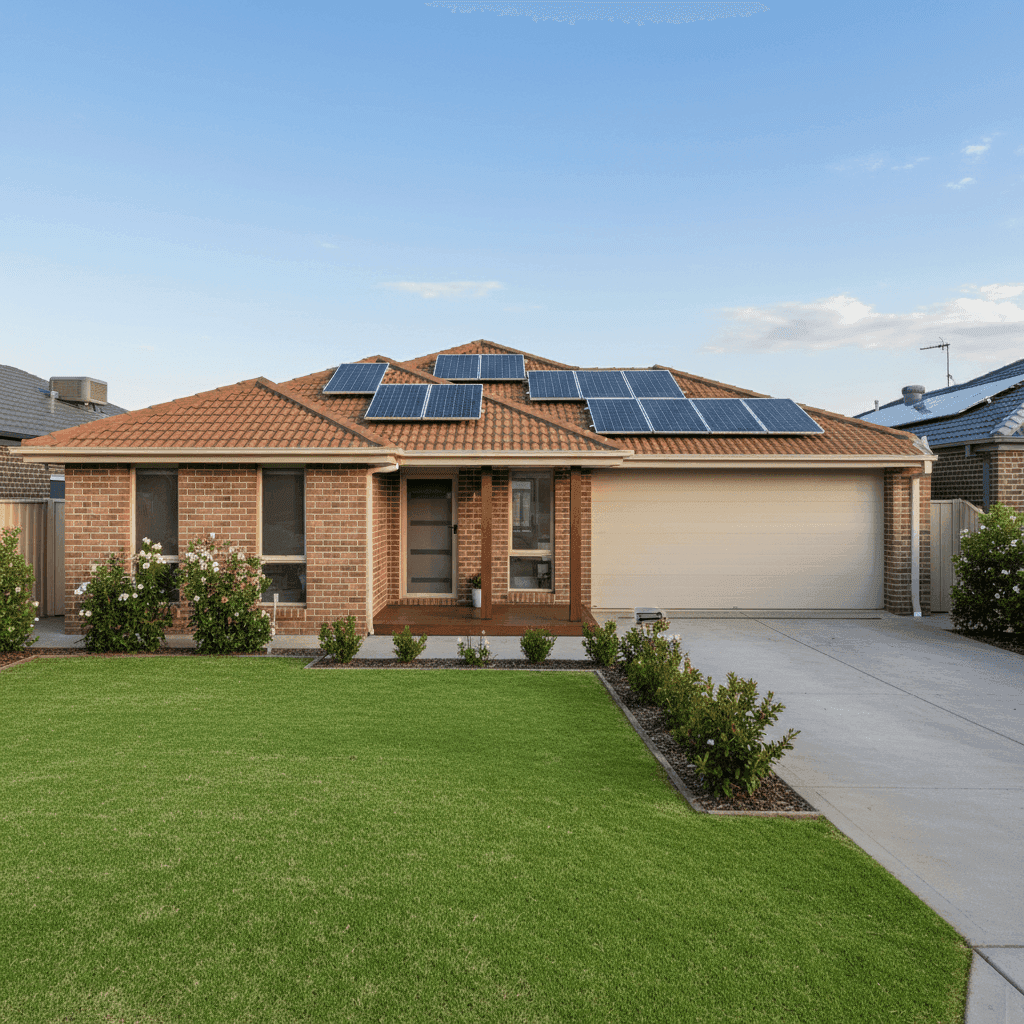
Koo Wee Rup is a growing township in Melbourne's outer south-east, sitting within the Cardinia Shire and surrounded by the flat, fertile plains of the Western Port lowlands. It's a suburb that attracts families looking for space and value — and a five-bedroom, free-standing home here is a solid investment. But what does it actually cost to insure one? This article breaks down a real home and contents insurance quote for a property in Koo Wee Rup, compares it against local, state, and national benchmarks, and offers practical tips for homeowners looking to get the best deal.
---
Is This Quote Fair?
The quote in question comes in at $2,737 per year (or $275/month) for combined home and contents cover, with a building sum insured of $750,000 and contents valued at $130,000. The building excess is $3,000 and the contents excess is $1,000.
Our analysis rates this quote as FAIR — Around Average. That's not a bad place to be, but it's worth understanding what "average" really means in context.
Based on 73 quotes collected for the Koo Wee Rup area, the suburb average sits at $2,542/year and the median at $2,188/year. This quote is around $195 above the suburb average and $549 above the median — meaning roughly half of comparable properties in the area are being insured for less. That said, the 75th percentile for the suburb is $3,151/year, so this quote is comfortably within the middle range of what locals are paying. It's not a bargain, but it's far from the most expensive outcome either.
Several property-specific factors likely push this quote above the suburb median — more on those below.
---
How Koo Wee Rup Compares
One of the most useful ways to assess any insurance quote is to zoom out and look at the broader picture. Here's how Koo Wee Rup stacks up:
| Benchmark | Annual Premium |
|---|---|
| This Quote | $2,737 |
| Suburb Average (3981) | $2,542 |
| Suburb Median (3981) | $2,188 |
| LGA Average (Baw Baw) | $2,647 |
| VIC State Average | $3,000 |
| VIC State Median | $2,718 |
| National Average | $5,347 |
| National Median | $2,764 |
A few things stand out here. First, this quote is below the Victorian state average of $3,000/year — a meaningful saving given VIC premiums have been climbing in recent years off the back of flood, storm, and bushfire events across the state. Second, the national average of $5,347/year puts this quote in a very favourable light. That figure is heavily influenced by high-risk postcodes in Queensland and Northern Australia, but it serves as a reminder of just how expensive home insurance can get in parts of the country.
For Koo Wee Rup specifically, sitting within the Baw Baw LGA average of $2,647/year, this quote is only marginally above the local government area benchmark — suggesting the pricing is broadly consistent with what the region commands.
---
Property Features That Affect Your Premium
Not all homes are priced the same, and insurers weigh up a range of property characteristics when calculating your premium. Here's how the features of this particular home likely influence its cost:
Brick Veneer Walls & Tiled Roof Brick veneer construction is generally viewed favourably by insurers. It's durable, fire-resistant, and widely used across Victoria's suburban landscape. Combined with a tiled roof — another low-risk, long-lasting material — this home presents a relatively standard risk profile from a structural standpoint.
Slab Foundation A concrete slab foundation is the norm for homes built in the 2010s and is considered stable and low-maintenance. It reduces the risk of subsidence-related claims, which can be a concern in older homes with timber stumps.
Construction Year: 2018 Being a relatively modern build (2018), this home is likely to comply with current building codes, including improved bushfire and wind resistance standards. Newer homes tend to attract slightly lower premiums than older properties that may have ageing materials or non-compliant features.
Solar Panels Solar panels add value to a property, but they also add insurable risk. Panels need to be covered for damage from hail, storms, and fire, and their replacement cost can be significant. This is likely contributing a modest uplift to the premium.
Ducted Climate Control Ducted heating and cooling systems are a fixed installation and typically included in building cover. However, they represent a higher-value asset than split systems, which can influence the overall sum insured and, in turn, the premium.
Building Size: 277 sqm At 277 square metres, this is a generously sized home. Larger floor areas mean higher rebuild costs, which is reflected in the $750,000 sum insured. Ensuring your sum insured accurately reflects current construction costs — not just the market value of the land — is critical.
No Pool The absence of a pool removes one common source of liability risk and potential premium loading. Pools can add complexity to a policy, so this works in the homeowner's favour.
---
Tips for Homeowners in Koo Wee Rup
1. Review Your Sum Insured Annually Construction costs in Victoria have risen sharply in recent years. The $750,000 sum insured may be appropriate today, but it's worth reassessing each year at renewal. Underinsurance is one of the most common and costly mistakes homeowners make — if your home is destroyed and the rebuild cost exceeds your cover, you'll be left to cover the gap out of pocket.
2. Consider Adjusting Your Excess This policy carries a $3,000 building excess. Opting for a higher excess is one of the most straightforward ways to reduce your annual premium. If you have the financial buffer to absorb a larger out-of-pocket cost in the event of a claim, it can make sense to trade a higher excess for a lower ongoing premium.
3. Check What's Covered for Your Solar Panels Solar panels are a significant asset and their coverage can vary between insurers. Confirm whether your policy covers panel damage, inverter failure, and any associated roof damage — and whether there are any sub-limits that apply. Some policies require panels to be specifically listed.
4. Compare Quotes at Renewal — Every Year The insurance market shifts constantly, and loyalty doesn't always pay. Even if your current premium feels reasonable, it's worth running a fresh comparison at each renewal. Use CoverClub to compare quotes and see what other insurers would charge for the same level of cover.
---
Find a Better Deal with CoverClub
Whether you're renewing your current policy or insuring a new home, comparing quotes is the single best way to make sure you're not overpaying. CoverClub makes it easy to see what home and contents insurance actually costs for properties like yours in Koo Wee Rup — with real data from real quotes. Start your comparison today and find out if you could be getting a fairer deal.