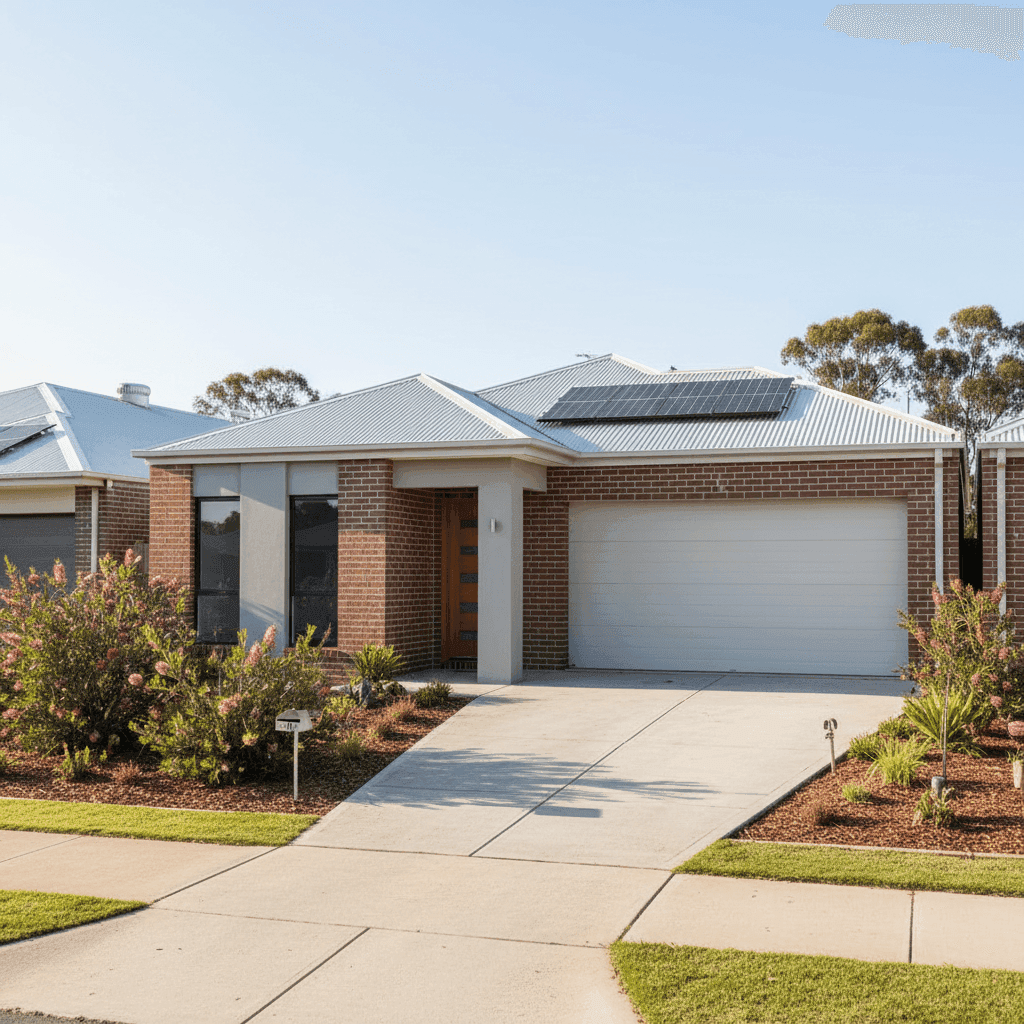
If you own a semi detached home in Koolkhan, NSW 2460, you're probably curious about what a fair home insurance premium looks like — and whether the quote sitting in your inbox is actually competitive. Koolkhan is a quiet locality in the Richmond Valley region of northern New South Wales, and like many regional NSW communities, insurance pricing here can vary quite a bit depending on the property and the insurer. This article breaks down a real building insurance quote for a six-bedroom, four-bathroom semi detached in the area, and puts it in context against local, state, and national benchmarks.
---
Is This Quote Fair?
The quote in question comes in at $2,948 per year (or $288 per month) for building-only cover on a six-bedroom, four-bathroom semi detached property, with a $1,000 building excess and a sum insured of $1,000,000. Our rating? Cheap — below average. That's a good thing.
To put it plainly: this is a competitive premium. The suburb average for Koolkhan sits at $3,601 per year, meaning this quote comes in roughly $653 below what most comparable properties in the area are paying. It also undercuts the suburb median of $3,577 and falls well below the 25th percentile benchmark of $3,304 — which means even among the cheaper end of quotes in this postcode, this one holds its own.
For a relatively modern property — built in 2021 with brick veneer walls, a Colorbond steel roof, and a concrete slab foundation — this outcome makes a lot of sense. Newer builds tend to attract lower premiums because they meet current building codes, carry less deferred maintenance risk, and are constructed with materials that perform well under scrutiny from insurers.
---
How Koolkhan Compares
Understanding where your suburb sits in the broader pricing landscape is key to knowing whether you're getting a good deal. Here's how Koolkhan stacks up:
| Benchmark | Annual Premium |
|---|---|
| This quote | $2,948 |
| Koolkhan suburb average | $3,601 |
| Koolkhan suburb median | $3,577 |
| NSW state average | $9,528 |
| NSW state median | $3,770 |
| National average | $5,347 |
| National median | $2,764 |
| Richmond Valley LGA average | $41,437 |
A few things stand out here. First, the NSW state average of $9,528 per year is extraordinarily high — a figure heavily skewed by flood-prone and high-risk postcodes across the state, particularly in the Northern Rivers region. The state median of $3,770 is a more realistic representation of what most NSW homeowners pay, and this quote sits comfortably below even that figure.
The national average of $5,347 tells a similar story — inflated by high-risk areas in Queensland and Western Australia. The national median of $2,764 is slightly below this quote, but given the size of this property (six bedrooms, 214 sqm, $1,000,000 sum insured), paying just $184 more than the national median is genuinely impressive value.
Perhaps the most striking figure is the Richmond Valley LGA average of $41,437 per year. This is an extreme outlier, almost certainly driven by a small number of very high-risk properties in flood-affected parts of the LGA that dramatically skew the average upward. Koolkhan itself appears to sit in a much more favourable risk position — a fact reflected clearly in this quote. You can explore more localised data on the Koolkhan suburb stats page.
---
Property Features That Affect Your Premium
Several characteristics of this property work in the homeowner's favour when it comes to insurance pricing:
Brick Veneer Walls Brick veneer is one of the most common and well-regarded external wall materials in Australia. It's durable, fire-resistant, and well understood by insurers — which typically translates to more competitive premiums compared to materials like weatherboard or compressed fibre cement.
Colorbond Steel Roof Steel roofing — particularly Colorbond — is highly regarded in the insurance industry. It's resistant to fire, rot, and pest damage, and performs well in wind events. For a regional NSW property, this is a meaningful risk-reduction feature.
Concrete Slab Foundation Slab foundations are structurally sound and generally lower-risk than older pier-and-beam or strip footing systems. Combined with a 2021 construction date, this foundation type signals a well-built, modern structure to insurers.
Built in 2021 A property this new benefits enormously in the insurance market. Modern construction must comply with current Australian building standards, which include improved requirements for wind resistance, waterproofing, and energy efficiency. Insurers price this favourably.
Ducted Climate Control While ducted air conditioning adds to the replacement value of the home, it's a standard inclusion in many modern builds and doesn't typically push premiums up significantly — particularly when the system is new and well-maintained.
No Pool, No Solar Panels Both pools and solar panel systems can add complexity (and cost) to a building insurance policy. The absence of both here keeps the risk profile clean and the premium lean.
Body Corporate / Strata Property As a strata property, it's worth noting that the body corporate may hold a master insurance policy covering common areas and the building's shared structure. Homeowners should confirm exactly what is — and isn't — covered under the strata policy, and ensure their individual building cover fills any gaps appropriately.
---
Tips for Homeowners in Koolkhan
1. Review your strata policy carefully Because this is a strata or body corporate property, your building insurance obligations may overlap with the body corporate's master policy. Request a copy of the strata insurance certificate and check what's covered — you may be able to adjust your individual sum insured accordingly and avoid paying for duplicate cover.
2. Reassess your sum insured annually With a $1,000,000 sum insured on a 214 sqm property, the cover appears generous — but building costs in regional NSW have risen sharply in recent years. Use a building cost calculator each year to make sure your sum insured reflects current rebuild costs, not what you paid when you first took out the policy.
3. Compare quotes before renewing Even if your current premium is competitive, insurers adjust their pricing models regularly. What's cheap today may not be next year. Use a comparison platform like CoverClub to benchmark your renewal quote against the broader market before you automatically renew.
4. Ask about multi-policy discounts If you hold other insurance products — car, landlord, or life insurance — with the same provider, you may be eligible for a bundling discount. It's always worth asking, especially if you're already happy with your insurer's service.
---
Find the Right Cover for Your Home
Whether you're a first-time buyer or a seasoned property owner, getting the right building insurance at the right price takes a little research. CoverClub makes it easy to compare home insurance quotes across Australia's leading insurers — all in one place. Get a quote today and see how your current premium stacks up.