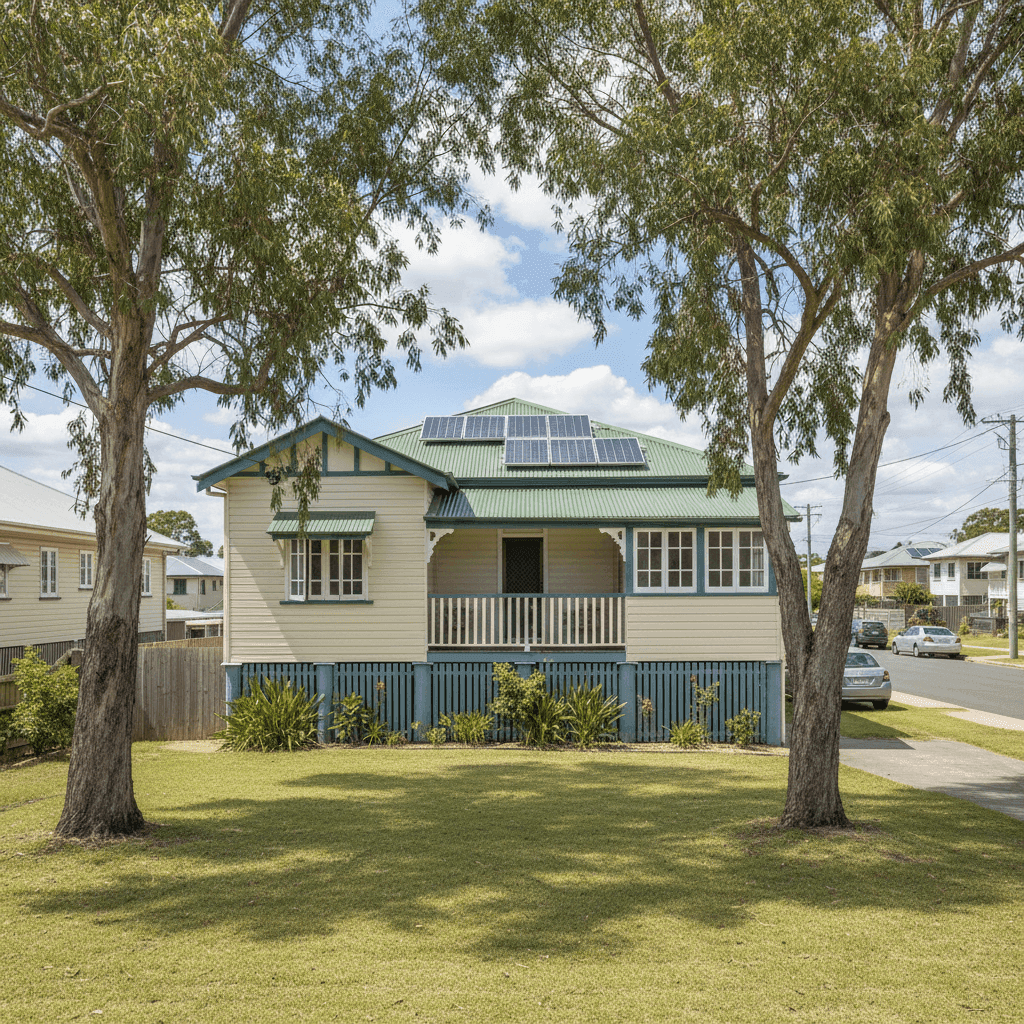
If you own a free standing home in Koongal, QLD 4701, you already know that insurance isn't something you can afford to overlook — especially in a region that carries genuine weather risk. This article breaks down a real building insurance quote for a 3-bedroom, 1-bathroom weatherboard home in Koongal, comparing it against local, state, and national benchmarks to help you understand whether you're getting a fair deal.
---
Is This Quote Fair?
The quote in question comes in at $2,916 per year (or $276/month) for building-only cover, with a $1,000 building excess and a sum insured of $607,000. Based on CoverClub's pricing data, this quote is rated CHEAP — sitting below the suburb average, which is a strong result for a property in this part of Queensland.
To put that in perspective, the average home insurance premium across Koongal sits at $4,904/year, with a median of $4,886/year. That means this quote is roughly 40% below the suburb average — a meaningful saving of nearly $2,000 annually. Even compared to the 25th percentile (the cheapest quarter of quotes in the area at $3,697/year), this premium still comes in lower, placing it in genuinely competitive territory.
For homeowners in a cyclone-designated risk zone, landing a sub-$3,000 annual premium for building cover is not something to take for granted. It's worth understanding what's driving this result — and making sure the cover itself is adequate.
---
How Koongal Compares
To get a fuller picture, it helps to zoom out and look at how Koongal stacks up against broader benchmarks. You can explore the full data on the Koongal suburb stats page, the Queensland state overview, or the national insurance statistics.
| Benchmark | Average Premium | Median Premium |
|---|---|---|
| Koongal (suburb) | $4,904/yr | $4,886/yr |
| Queensland (state) | $9,129/yr | $3,903/yr |
| Australia (national) | $5,347/yr | $2,764/yr |
| Livingstone LGA | $13,146/yr | — |
A few things stand out here. Queensland's average premium of $9,129/year is dramatically higher than the national average of $5,347/year — a reflection of the state's elevated exposure to cyclones, flooding, and severe storms. However, the Queensland median of $3,903/year tells a more nuanced story: while some properties attract eye-watering premiums, many Queensland homeowners are paying closer to the national median.
The Livingstone LGA average of $13,146/year is particularly striking. This figure is heavily influenced by high-risk coastal and cyclone-prone properties within the local government area, and it underscores just how variable premiums can be even within a relatively small geographic region. Koongal's suburb average of $4,904/year is well below the LGA average, suggesting the suburb benefits from slightly more favourable risk characteristics than other parts of Livingstone.
At $2,916/year, this quote sits comfortably below every benchmark listed above — including the national median.
---
Property Features That Affect Your Premium
Several characteristics of this property are worth examining in the context of insurance pricing.
Cyclone Risk Area This is arguably the most significant risk factor. Properties in designated cyclone zones attract higher base premiums across most insurers, as the potential for structural damage during a severe weather event is substantially greater. The fact that this quote remains competitive despite the cyclone designation suggests other risk-mitigating features may be at play.
Weatherboard Timber Walls Weatherboard construction is common in older Queensland homes and can be viewed less favourably by some insurers compared to brick veneer or rendered masonry. Timber is more susceptible to fire, termite damage, and wind-driven rain penetration — all relevant considerations in this region. That said, well-maintained weatherboard homes can still attract reasonable premiums.
Steel / Colorbond Roof This is a genuine positive from an insurance perspective. Colorbond steel roofing is durable, resistant to corrosion, and performs well in high-wind conditions compared to older tile or fibrous cement roofing. Many insurers look favourably on this material, particularly in cyclone-risk areas.
Slab Foundation A concrete slab foundation is generally considered a lower-risk foundation type compared to timber stumps or raised sub-floors, as it reduces the risk of subsidence and underfloor moisture damage.
Solar Panels The property has solar panels installed. It's important to confirm with your insurer whether solar panels are covered under the building sum insured or require a separate endorsement. Some policies include them automatically; others treat them as an additional item. Given the $607,000 sum insured, it's worth verifying this is reflected in the replacement cost calculation.
Construction Year: 1985 A home built in 1985 falls under older Queensland building codes, which predate many of the cyclone-resilience standards introduced after Cyclone Tracy and subsequent reviews. This can influence premiums, though the Colorbond roof and slab foundation help offset some of the age-related risk.
Building Size: 130 sqm At 130 sqm, this is a modestly sized home, which generally correlates with a lower replacement cost. The $607,000 sum insured equates to roughly $4,669 per sqm — a figure that aligns reasonably well with current construction costs in regional Queensland, though it's always worth reviewing this annually as building costs continue to rise.
---
Tips for Homeowners in Koongal
1. Review your sum insured every year Construction costs in Queensland have risen sharply over the past few years. A sum insured that was adequate in 2022 may leave you underinsured today. Use a building cost calculator or speak with a quantity surveyor to ensure your $607,000 figure still reflects true replacement cost — especially given the cyclone risk in the area.
2. Confirm solar panel coverage As noted above, solar panels aren't always automatically included in building cover. Contact your insurer to confirm whether your system is covered, and if so, whether the sum insured accounts for the cost of replacing it. This is a surprisingly common gap in home insurance policies.
3. Maintain your weatherboard cladding Insurers can reduce or deny claims where poor maintenance contributed to the damage. Weatherboard homes require regular painting, sealing, and inspection for rot or termite activity. Keeping on top of maintenance not only protects your home but also keeps you on the right side of your policy's maintenance obligations.
4. Compare quotes before renewal Even if your current premium is competitive, the market changes each year. Insurers reprice based on updated risk models, reinsurance costs, and claims data. A quote that's cheap today may not be next year — and a quote that seemed expensive elsewhere might now be competitive. Use CoverClub's free comparison tool to benchmark your renewal premium before you accept it.
---
Get a Better Deal on Home Insurance
Whether you're reviewing an existing policy or shopping for cover for the first time, CoverClub makes it easy to compare home insurance quotes across multiple providers in minutes. See how your premium stacks up against your neighbours and make sure you're not paying more than you need to. Start your free quote comparison today.