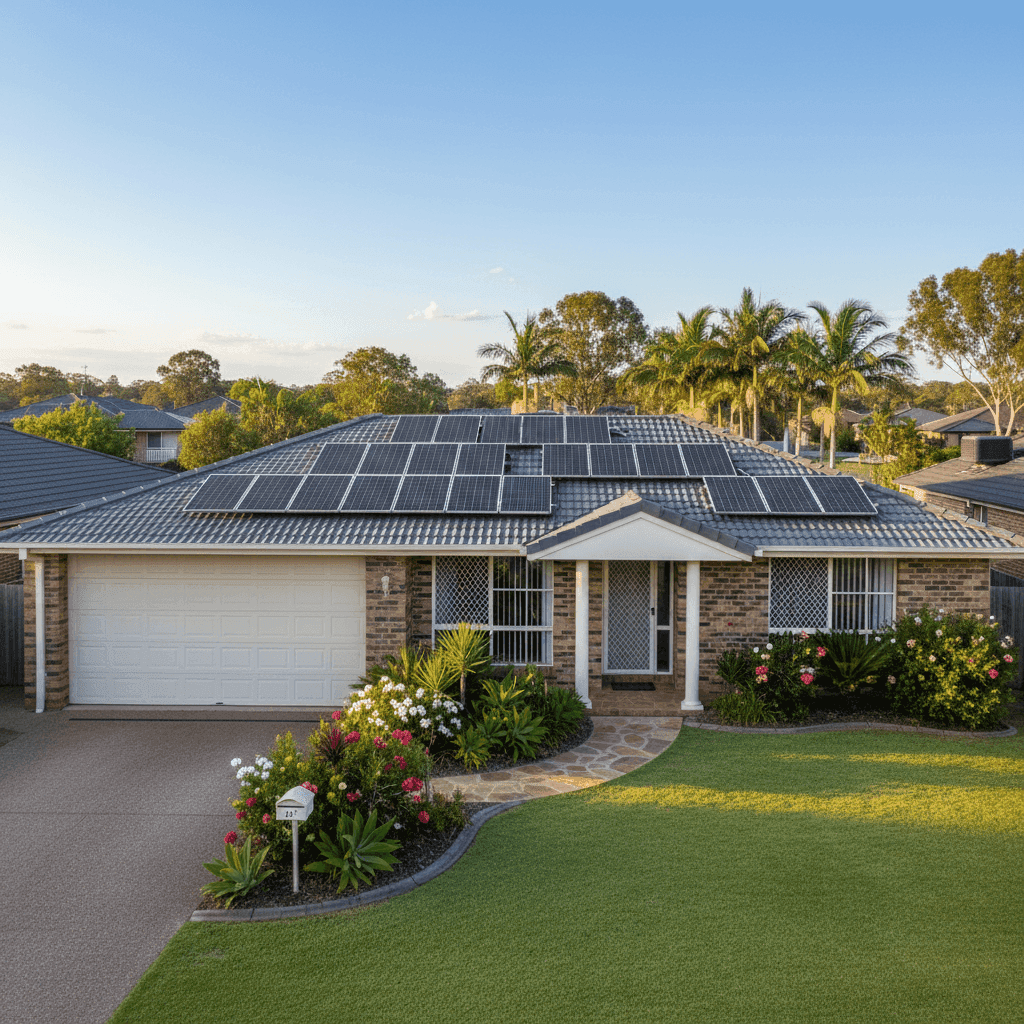
Kuraby is a quiet, established suburb in Brisbane's south, sitting roughly 18 kilometres from the CBD. Known for its leafy streets and mix of family homes, it's an area where brick veneer properties on slab foundations are a common sight — and where understanding your home insurance costs can save you hundreds of dollars a year. This article breaks down a real home and contents insurance quote for a four-bedroom, two-bathroom free-standing home in Kuraby (postcode 4112), and puts the numbers into context against suburb, state, and national benchmarks.
---
Is This Quote Fair?
The quote in question comes in at $1,874 per year (or $180 per month) for combined home and contents cover, with a building sum insured of $611,300 and contents valued at $36,800. Both the building and contents excess are set at $1,000.
Our price rating for this quote is FAIR — Around Average, which is a reasonable outcome for a property of this type in this location.
To understand why, it helps to look at what other homeowners in Kuraby are paying. Based on 47 quotes collected for the Kuraby area, the suburb average sits at $2,466 per year, with a median of $2,509. This quote falls well below both figures — landing closer to the 25th percentile of $1,659 than the 75th percentile of $3,144.
In other words, roughly three-quarters of comparable quotes in Kuraby are more expensive. That's a solid position to be in, even if there's still room to potentially do better with a targeted comparison.
---
How Kuraby Compares
Zooming out beyond the suburb paints an even more interesting picture.
| Benchmark | Average Premium | Median Premium |
|---|---|---|
| Kuraby (4112) | $2,466/yr | $2,509/yr |
| Brisbane LGA | $16,277/yr | — |
| Queensland | $9,129/yr | $3,903/yr |
| National | $5,347/yr | $2,764/yr |
At first glance, the Queensland state average of $9,129 looks alarming — but it's heavily skewed by high-risk areas in Far North Queensland, where cyclone exposure and flooding drive premiums to extraordinary levels. The state median of $3,903 is a more grounded figure, and even that is notably higher than what this Kuraby quote delivers.
Similarly, the Brisbane LGA average of $16,277 reflects the enormous diversity of risk profiles across Greater Brisbane, from flood-prone river suburbs to elevated, low-risk pockets like Kuraby. This property's quote sits dramatically below that LGA average, which reflects the relatively favourable risk profile of the suburb.
Compared to the national average of $5,347 and national median of $2,764, this quote remains competitive. It's slightly above the national median, which is why it earns a "Fair — Around Average" rating rather than "Great Value" — but it's comfortably below the national average.
---
Property Features That Affect Your Premium
Several characteristics of this property work in the homeowner's favour from an insurance pricing perspective.
Brick veneer construction is generally viewed favourably by insurers. It offers good fire resistance and structural durability compared to weatherboard or lightweight cladding, which can translate to lower rebuild risk assessments.
Tiled roof is another positive. Terracotta or concrete tiles are robust, long-lasting, and perform well in most weather conditions. Insurers tend to price tiled roofs more competitively than older materials like fibro or corrugated iron.
Slab foundation is standard for homes of this era and construction type in Queensland. It's a well-understood foundation type for insurers, without the added complexity of stumped or suspended floors that can increase assessment costs.
Tiled flooring throughout the home is a practical and durable choice. It's less susceptible to water damage than carpet or timber, which can be a minor factor in claims frequency assessments.
Solar panels are worth noting. While they add value to the property, they also represent an additional insured asset on the roof. Some insurers include solar panels under building cover automatically; others may require you to confirm coverage explicitly. It's worth checking the policy wording to ensure your system is fully protected.
Ducted climate control is another feature to verify. Ducted air conditioning systems can be expensive to repair or replace, and it's important to confirm whether the system is covered under building or contents — or both — and up to what limit.
The 1996 construction year places this home in a relatively modern bracket by Queensland standards. Homes built from the mid-1990s onward generally comply with updated building codes, which can reduce risk in the eyes of underwriters.
Notably, this property is not in a designated cyclone risk area, which is a meaningful advantage in Queensland. Cyclone exposure is one of the single biggest drivers of elevated premiums across the state.
---
Tips for Homeowners in Kuraby
1. Review your sum insured regularly A building sum insured of $611,300 needs to reflect the true cost of rebuilding — not the market value of the land. Construction costs have risen significantly in recent years, so it's worth getting a professional rebuild cost estimate every couple of years to avoid being underinsured.
2. Check your solar panel coverage With solar panels on the roof, confirm with your insurer exactly how they're covered. Ask whether storm or hail damage to panels is included, what the claim limit is, and whether you need to list the system separately. Don't assume it's automatic.
3. Compare quotes at renewal time Even with a fair quote, the insurance market shifts constantly. Spending 15–20 minutes comparing quotes at renewal could reveal a better deal without sacrificing coverage quality. Use a comparison tool like CoverClub to benchmark your renewal offer against the market.
4. Consider your excess strategically Both the building and contents excess on this policy sit at $1,000. Opting for a higher excess can reduce your annual premium, but make sure it's an amount you could comfortably cover out of pocket in the event of a claim. If $1,000 already feels like a stretch, don't chase savings by pushing it higher.
---
Ready to Compare?
Whether you're reviewing your current policy or shopping for cover on a new property, getting multiple quotes is the smartest move you can make. At CoverClub, you can compare home and contents insurance options tailored to your property in Kuraby — and see exactly where your quote sits against the market. It only takes a few minutes, and the savings can be significant.