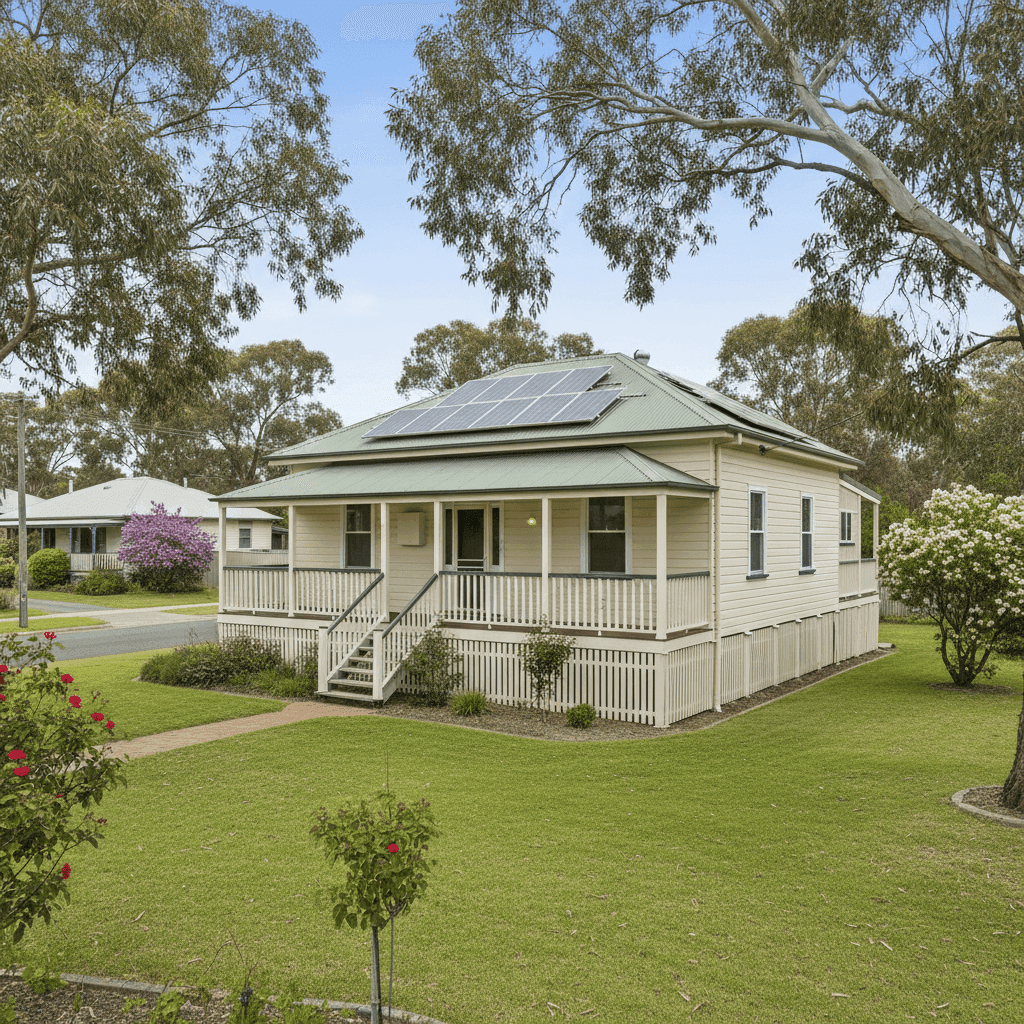
Kurri Kurri is a well-established Hunter Valley town in the Cessnock local government area, known for its working-class heritage and steady residential appeal. If you own a free standing home here and you've just received a home and contents insurance quote, you're probably wondering whether what you're being asked to pay is reasonable — or whether it's time to shop around. This article breaks down a real quote for a four-bedroom, single-bathroom home in Kurri Kurri (NSW 2327) and puts the numbers into context.
---
Is This Quote Fair?
The quote in question comes in at $3,140 per year (or $301 per month) for combined home and contents cover, with a building sum insured of $750,000 and contents valued at $50,000. The building excess is $3,000 and the contents excess is $1,000.
Our price rating for this quote is Expensive — above average for the area.
Based on data from 117 home insurance quotes in Kurri Kurri, the suburb average annual premium sits at $2,097, and the median is $1,922. That means this quote is running about 50% above the suburb average and more than 63% above the median — a meaningful gap that's worth investigating before you commit.
To be fair, the 75th percentile for the suburb is $2,569 per year, which means roughly a quarter of quotes in Kurri Kurri do exceed that figure. At $3,140, this quote sits well above even that upper quartile benchmark, placing it among the more expensive policies being written in the postcode.
The $750,000 building sum insured is a significant figure for this area and is likely one of the primary drivers of the elevated premium. That said, it's important not to underinsure — the cost to rebuild a 205 sqm home to current standards, including labour, materials, and compliance costs, can be substantial, particularly given ongoing construction cost inflation across regional NSW.
---
How Kurri Kurri Compares
Zooming out beyond the suburb tells an interesting story. Here's how this quote stacks up across different geographic benchmarks:
| Benchmark | Average Premium | Median Premium |
|---|---|---|
| Kurri Kurri (2327) | $2,097/yr | $1,922/yr |
| Cessnock LGA | $2,462/yr | — |
| NSW | $9,528/yr | $3,770/yr |
| National | $5,347/yr | $2,764/yr |
At first glance, the NSW state average of $9,528 looks alarming — but that figure is heavily influenced by high-value properties and extreme weather risk zones across the state, including flood-prone and cyclone-affected areas. The median is a more useful yardstick, and NSW's median of $3,770 suggests that half of all NSW policyholders are paying less than that.
Compared to the national median of $2,764, this quote is still elevated, though Kurri Kurri itself tends to sit below both state and national averages — which is actually good news for local homeowners in general. The Cessnock LGA average of $2,462 further reinforces that this particular quote is on the pricier side relative to comparable properties in the region.
---
Property Features That Affect Your Premium
Several characteristics of this property are worth examining through an insurance lens:
Construction year (1965): Older homes can attract higher premiums because ageing infrastructure — plumbing, wiring, roofing supports — carries greater risk of failure or damage. A home built in 1965 is over 60 years old, and insurers will factor this into their risk assessment.
Hardiplank/Hardiflex external walls: This is actually a positive from an insurance standpoint. Fibre cement cladding like Hardiflex is durable, fire-resistant, and relatively low-maintenance compared to weatherboard or brick veneer. Some insurers view this favourably when pricing risk.
Steel/Colorbond roof: Colorbond is a popular and well-regarded roofing material in Australia. It's lightweight, corrosion-resistant, and performs well in a range of weather conditions. Insurers generally consider it a lower-risk roofing material than terracotta tiles or older corrugated iron.
Stump foundation: Homes on stumps (also known as pier and beam foundations) can be more susceptible to certain types of damage, including subsidence and pest ingress. This construction style is common in older regional homes and may contribute to a slightly elevated premium compared to slab-on-ground construction.
Solar panels: The presence of solar panels adds replacement value to the property. Insurers need to account for the cost of repairing or replacing panels in the event of storm, hail, or fire damage. It's worth confirming with your insurer that your solar system is explicitly covered under your policy.
No pool, no ducted climate control: The absence of a pool and ducted air conditioning simplifies the risk profile slightly and removes two common sources of claims.
---
Tips for Homeowners in Kurri Kurri
1. Review your building sum insured carefully. A sum insured of $750,000 for a 205 sqm home is on the higher end for this area. While it's critical not to underinsure, it's equally worth ensuring your figure reflects a realistic rebuild cost rather than market value. Use a professional quantity surveyor or your insurer's rebuild cost calculator to verify this figure — it directly affects your premium.
2. Shop around and compare multiple quotes. The gap between the cheapest and most expensive quotes in Kurri Kurri is significant — from $1,535 at the 25th percentile to $2,569 at the 75th percentile. That's over $1,000 difference for broadly similar cover. Using a comparison platform like CoverClub makes it straightforward to see multiple offers side by side.
3. Confirm your solar panels are covered. Many standard home insurance policies cover solar panels, but some have sub-limits or exclusions around inverter damage or storm damage to panels. Ask your insurer specifically what is and isn't covered for your solar system, and whether a separate endorsement is needed.
4. Consider the trade-off on excess. This policy carries a $3,000 building excess — which is relatively high. A higher excess generally lowers your premium, but it means you're bearing more of the cost in the event of a claim. If you're unlikely to claim for smaller incidents, this may be a worthwhile trade-off. If you'd struggle to cover a $3,000 outlay in an emergency, it may be worth requesting a quote with a lower excess to compare.
---
Ready to Find a Better Deal?
Whether you're renewing your existing policy or shopping for cover for the first time, comparing quotes is the single most effective way to make sure you're not overpaying. CoverClub makes it easy to see how your premium stacks up and find competitive options tailored to your property. Get a quote today and see what Kurri Kurri homeowners are actually paying for home and contents insurance.