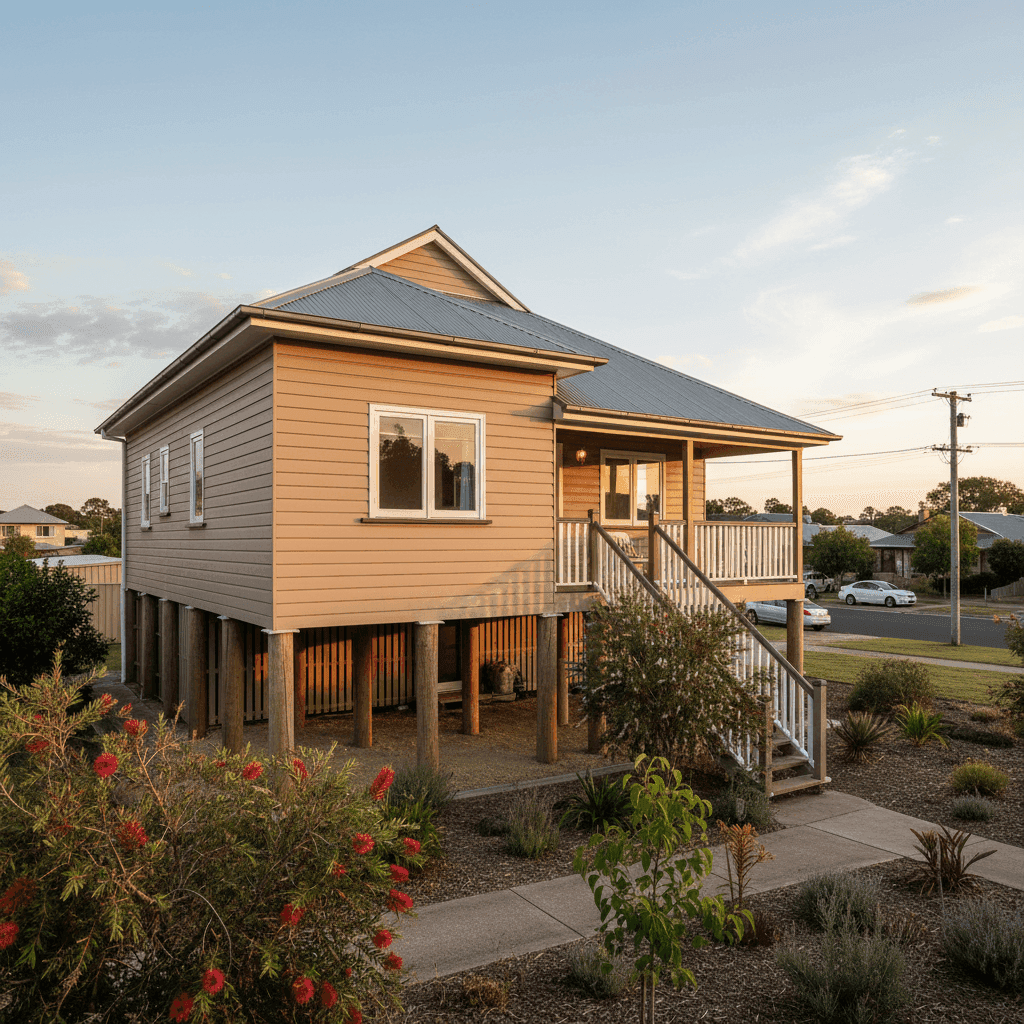
Kurri Kurri is a well-established town in the Hunter Valley region of New South Wales, known for its industrial heritage and relaxed suburban lifestyle. If you own a free standing home here — particularly an older weatherboard property like the one we're analysing today — understanding what you're paying for home insurance and whether it's competitive is genuinely worthwhile. This article breaks down a real building-only insurance quote for a 3-bedroom, 1-bathroom home in Kurri Kurri (postcode 2327), and puts the numbers into context against local, state, and national benchmarks.
---
Is This Quote Fair?
The quote in question comes in at $1,734 per year (or $175/month) for building-only cover, with a building excess of $4,000 and a sum insured of $450,000. Our price rating for this quote is FAIR — Around Average.
That rating holds up well under scrutiny. Based on 38 quotes collected for the Kurri Kurri suburb, the local average sits at $1,904/year and the median at $1,840/year. This quote lands noticeably below both figures, which is a positive sign. It's sitting between the 25th percentile ($1,407/yr) and the median — meaning it's better than roughly half the quotes seen in the area, but there may still be room to shop around if you're aiming for the lower end of the market.
A "FAIR" rating doesn't mean you're getting a bad deal — far from it. It reflects a quote that's broadly in line with what other homeowners in the suburb are paying, without being an outlier in either direction. Given the property's characteristics (more on those below), this pricing makes sense.
---
How Kurri Kurri Compares
One of the more striking takeaways from this data is just how affordable Kurri Kurri is relative to broader benchmarks.
| Benchmark | Average Premium | Median Premium |
|---|---|---|
| Kurri Kurri (2327) | $1,904/yr | $1,840/yr |
| LGA – Cessnock | $2,585/yr | — |
| NSW State | $3,801/yr | $3,410/yr |
| National | $2,965/yr | $2,716/yr |
The NSW state average of $3,801/year is more than double what this Kurri Kurri homeowner is paying — a significant gap that reflects the outsized impact of high-risk postcodes (think flood-prone areas, coastal storm zones, and bushfire corridors) on the state average. Similarly, the national average of $2,965/year is well above what's typical in this suburb.
Even within the Cessnock LGA, Kurri Kurri comes in cheaper — the LGA average of $2,585/year is nearly $850 more than the suburb median. This suggests Kurri Kurri itself carries a relatively moderate risk profile compared to some surrounding areas in the Hunter region.
For homeowners here, this is broadly good news: you're in a suburb where insurance is more accessible than in many parts of NSW.
---
Property Features That Affect Your Premium
Several characteristics of this particular property will be influencing the premium — some in your favour, others less so.
Weatherboard Timber Walls
Weatherboard construction is one of the most common wall types in older Australian homes, and it's a factor insurers pay close attention to. Timber is more susceptible to fire, rot, and termite damage than brick veneer or full brick, which can push premiums slightly higher. However, weatherboard homes are also typically easier and cheaper to repair, which can offset some of that risk in the insurer's calculations.
Tiled Roof
A tiled roof is generally viewed favourably by insurers. Tiles are durable, fire-resistant, and have a long lifespan when maintained properly. Compared to Colorbond or corrugated iron, tiles tend to attract lower premiums — so this is a tick in the right column.
Elevated on Stumps (Less Than 1m)
The home sits on stumps with a slight elevation of less than one metre. Stump foundations are common in older NSW homes and can introduce some risk around subsidence or structural movement over time. However, the modest elevation here is unlikely to be a major premium driver. It may offer a small buffer against surface water in heavy rain events, which is a mild positive.
Timber and Laminate Flooring
Timber floors are a feature many homeowners love, but they can be costlier to replace or repair than tiles or carpet. This is factored into the sum insured rather than the premium directly, but it's worth keeping in mind when reviewing your building coverage amount.
1989 Construction
At around 35 years old, this home sits in a mid-age bracket. It's old enough that some systems (plumbing, electrical) may be approaching the end of their serviceable life, but it was built after many of the stricter post-1980s building codes came into effect. Insurers generally treat this era of construction as moderate risk.
No Pool, Solar, or Cyclone Risk
The absence of a pool, solar panels, and cyclone risk exposure all simplify the risk profile and help keep the premium contained. Cyclone cover in particular can add substantially to premiums in northern parts of Australia — Kurri Kurri's inland Hunter Valley location means this isn't a concern here.
---
Tips for Homeowners in Kurri Kurri
1. Review your sum insured regularly At $450,000 for a 130 sqm weatherboard home, the sum insured looks reasonable — but building costs have risen sharply in recent years. It's worth checking whether your coverage reflects current construction costs in the Hunter Valley, particularly for a home with timber flooring and period features that may be more expensive to replicate.
2. Consider a higher excess to reduce your premium This quote already carries a $4,000 building excess, which is on the higher side. If you're comfortable self-insuring smaller claims, this is a sensible trade-off. However, if your excess were lower, your premium would likely increase — so think carefully before changing it without comparing alternatives.
3. Maintain your weatherboard cladding Insurers can decline or reduce claims if damage is attributed to poor maintenance. Keeping your weatherboard painted, sealed, and free from rot or pest damage not only protects the home but also ensures you're not caught out at claim time.
4. Shop around at renewal Insurance premiums can shift significantly from year to year, and loyalty doesn't always pay. The spread between the 25th percentile ($1,407/yr) and the 75th percentile ($2,414/yr) in Kurri Kurri is over $1,000 — meaning the insurer you choose matters a great deal. Use renewal time as an opportunity to compare.
---
Compare Your Home Insurance with CoverClub
Whether you're a current homeowner in Kurri Kurri or considering a purchase in the area, it pays to know what the market looks like before you commit to a policy. CoverClub makes it easy to compare building insurance quotes side by side, so you can see exactly where your premium sits relative to your neighbours.
Get a home insurance quote today and find out if you're getting the best deal available for your property.