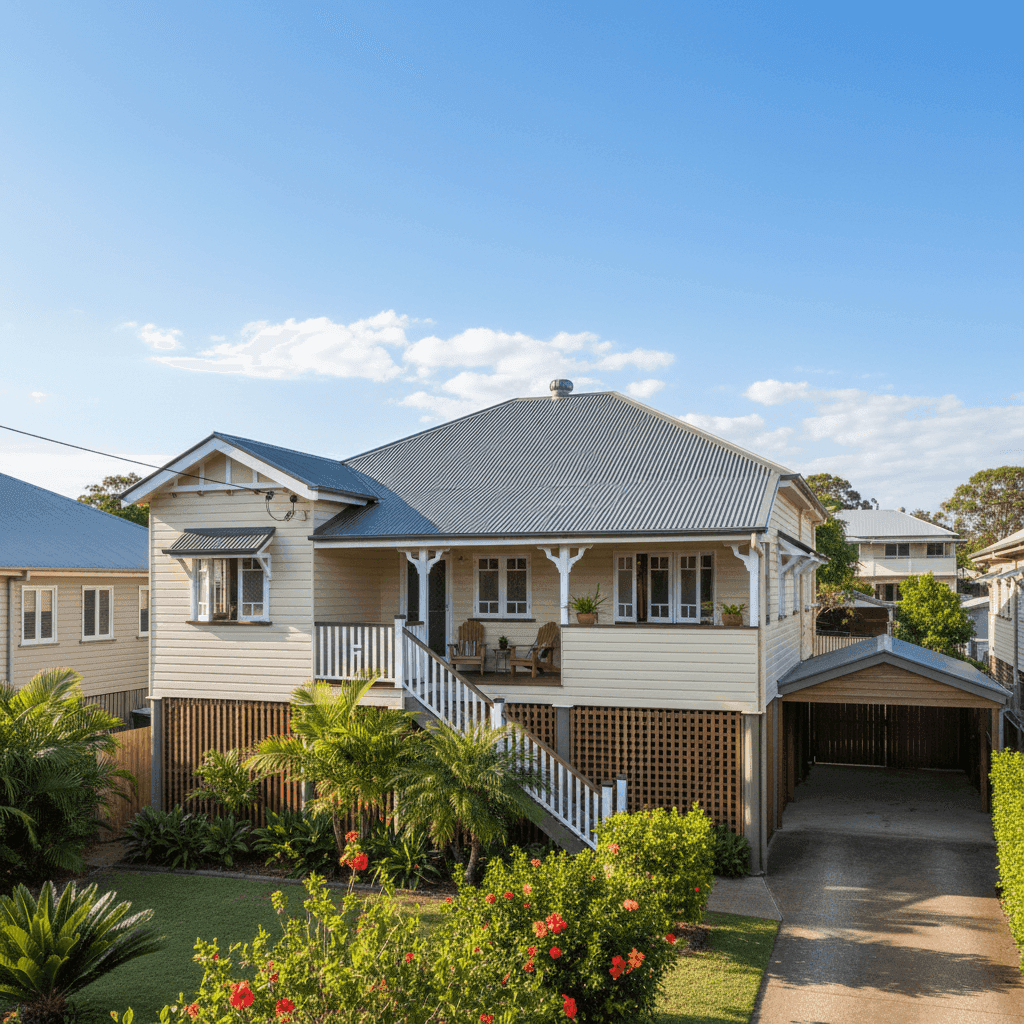
Labrador, nestled on the northern shores of the Gold Coast in Queensland, is a well-established suburb that blends older character homes with a growing residential scene. For owners of free standing homes in this area — particularly the classic weatherboard-style properties that define much of the suburb's streetscape — understanding what you should be paying for home and contents insurance is genuinely useful. This article breaks down a real insurance quote for a 4-bedroom, 2-bathroom free standing home in Labrador (QLD 4215), compares it against local, state, and national benchmarks, and offers practical guidance for getting the best value on your cover.
---
Is This Quote Fair?
The annual premium for this property came in at $2,083 per year (or $204/month), covering both building (sum insured: $353,000) and contents ($30,000). Our price rating for this quote is CHEAP — below average for the area.
To put that in context: the suburb median premium in Labrador sits at $2,876 per year, meaning this quote is roughly $793 cheaper than what the typical Labrador homeowner is paying. It also sits comfortably below the suburb's 25th percentile of $2,261 — which means it's beating at least three-quarters of comparable quotes in the area.
For a property built in 1958 with weatherboard timber walls and a steel/Colorbond roof, this is a genuinely competitive result. Older homes with timber construction can sometimes attract higher premiums due to perceived fire and wear risk, so landing below the local median is a strong outcome.
The building excess is $3,000 and the contents excess is $1,000 — both worth factoring in when comparing policies. A higher excess generally lowers your premium, so it's worth checking whether this trade-off suits your financial situation.
---
How Labrador Compares
One of the more striking aspects of Labrador's insurance data is the significant gap between the suburb's average and median premiums. The average sits at a staggering $53,896 per year, while the median is a far more grounded $2,876. This kind of disparity almost always signals a small number of extremely high-risk or high-value properties pulling the average upward — which is why the median is a much more reliable benchmark for most homeowners.
Here's a quick snapshot of how premiums compare across different levels:
| Benchmark | Annual Premium |
|---|---|
| This quote | $2,083 |
| Labrador suburb median | $2,876 |
| Labrador suburb 25th percentile | $2,261 |
| Labrador suburb 75th percentile | $3,629 |
| Gold Coast LGA average | $8,161 |
| QLD state median | $3,903 |
| National median | $2,764 |
Compared to the Queensland state median of $3,903, this quote is around 47% cheaper — a meaningful saving. Even against the national median of $2,764, this quote comes in below average, which is notable given that Queensland properties — particularly those on the Gold Coast — often attract above-average premiums due to weather-related risks including storm, flood, and hail exposure.
The Gold Coast LGA average of $8,161 further underscores how variable pricing can be across the region. Properties closer to waterways or in flood-prone pockets can push premiums significantly higher, so location within the suburb matters enormously.
---
Property Features That Affect Your Premium
Several characteristics of this property have a direct bearing on its insurance cost. Understanding these factors can help you anticipate how your premium might change if circumstances shift.
Weatherboard timber walls are one of the most significant risk factors insurers assess. Timber is more susceptible to fire damage than brick or rendered masonry, and older weatherboard homes can also be more vulnerable to termite damage and general deterioration. That said, well-maintained weatherboard homes remain insurable at competitive rates — as this quote demonstrates.
Steel/Colorbond roofing is generally viewed favourably by insurers. Colorbond is durable, lightweight, and performs well in high-wind conditions, making it a sensible roofing choice for Queensland's storm season. It's a step up from older tile or corrugated iron roofs in terms of resilience.
Elevated on stumps is a classic feature of Queensland homes built in the mid-20th century. Being elevated by at least one metre provides meaningful flood resilience — water is less likely to inundate the living areas during heavy rainfall events. This can positively influence flood-related components of your premium, though it's always worth confirming flood cover is included in your policy.
Construction year of 1958 means this is a heritage-era home. While character properties are charming, insurers factor in the age of the building when assessing risk — older electrical wiring, plumbing, and structural elements may be considered higher risk. Keeping up with maintenance and updating key systems where possible can help manage your premium over time.
Timber and laminate flooring, standard fittings, and a building size of 139 sqm round out a fairly typical profile for this era of Queensland home. The sum insured of $353,000 appears appropriate for a home of this size and construction type, though it's always worth reviewing your building sum insured regularly to ensure it reflects current rebuild costs.
---
Tips for Homeowners in Labrador
1. Review your sum insured annually Construction costs have risen sharply in recent years. A sum insured set a few years ago may no longer cover the full cost of rebuilding your home. Use a building cost calculator or speak with a quantity surveyor to make sure you're not underinsured — it's one of the most common and costly mistakes homeowners make.
2. Confirm flood cover is included Parts of Labrador and the broader Gold Coast are subject to flooding. Check your policy's Product Disclosure Statement (PDS) carefully to confirm flood is covered — not just storm or rainwater damage. These are legally distinct definitions and the difference matters enormously at claim time.
3. Maintain your weatherboard exterior Regular painting, gap-sealing, and pest inspections on a timber weatherboard home aren't just good maintenance — they can also support your insurer's assessment of the property's condition. Some insurers may ask about maintenance history when assessing claims, so keeping records is worthwhile.
4. Compare quotes before renewal The fact that this quote came in well below the suburb median highlights how much variation exists in the market. Insurers price risk differently, and loyalty doesn't always pay. Shopping around at renewal time — even if you're happy with your current insurer — is one of the simplest ways to avoid overpaying.
---
Ready to Compare Home Insurance in Labrador?
Whether you're a first-time buyer or a long-time Labrador local, it pays to know what the market looks like before you commit to a policy. CoverClub aggregates real quote data so you can see exactly how your premium stacks up against your neighbours and the broader market.
Get a home insurance quote for your Labrador property and find out if you're paying a fair price — or leaving money on the table. You can also explore detailed suburb-level data on the Labrador insurance stats page to dig deeper into local pricing trends.