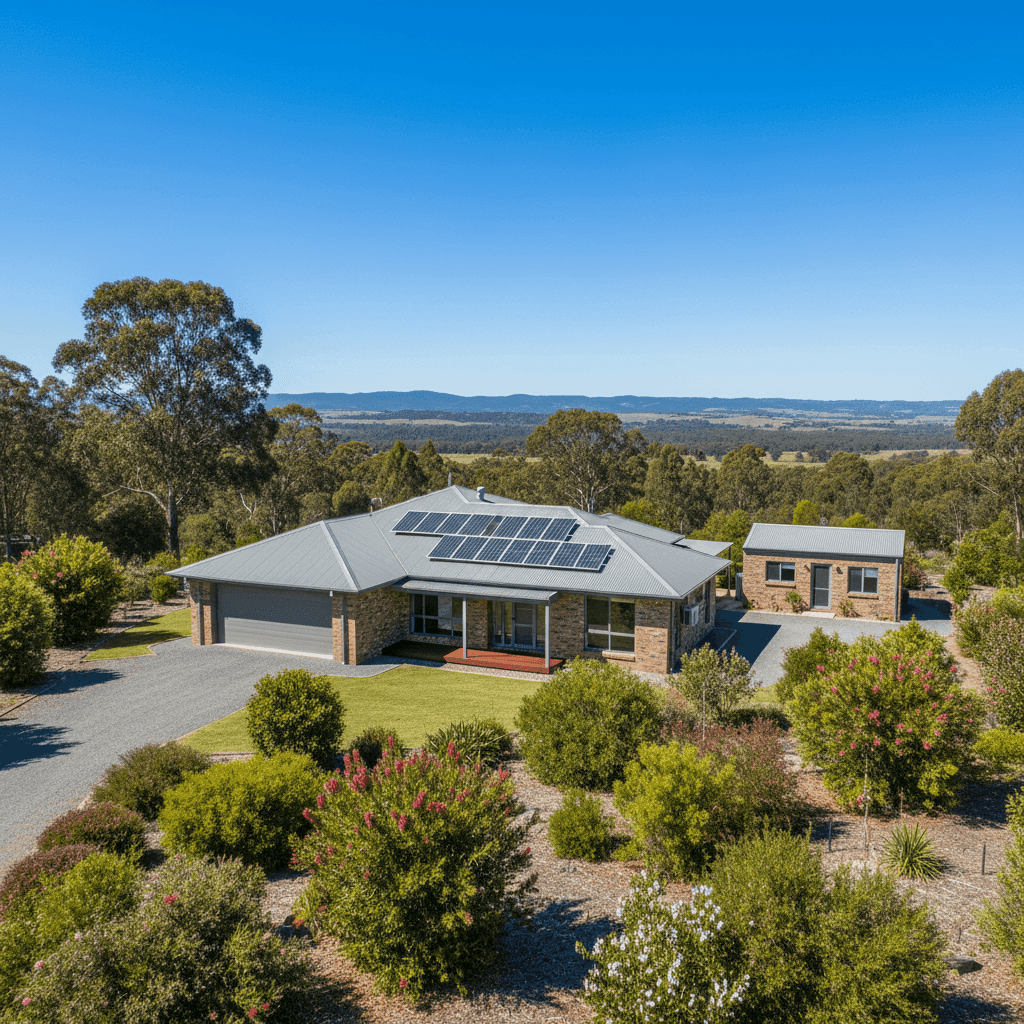
If you own a free standing home in Laggan, NSW 2583, you're likely no stranger to the unique considerations that come with insuring a rural Southern Tablelands property. From ageing construction to large, character-filled homes, getting the right cover at a fair price takes a bit of know-how. In this article, we break down a real home and contents insurance quote for a six-bedroom property in Laggan — and help you understand exactly what you're paying for.
---
Is This Quote Fair?
The annual premium on this quote comes in at $3,440 per year (or $344/month), covering both building and contents for a substantial six-bedroom home with a building sum insured of $1,800,000 and contents valued at $100,000.
Our price rating for this quote? Cheap — below average. That's a genuinely positive result.
To put it in context: the NSW state average premium sits at $9,528 per year, and the state median is $3,770. This quote comes in below the NSW median — which is impressive for a property of this size and value. Compared to the national average of $5,347 and a national median of $2,764, the quote is slightly above the national median but well below the national average.
For a six-bedroom home with above-average fittings, a granny flat, solar panels, and a building sum insured of $1.8 million, landing a premium under $3,500 represents strong value. Homeowners in this situation should feel confident they're not overpaying — though it's always worth comparing to ensure you're getting the best combination of price and cover.
---
How Laggan Compares
Here's how this quote stacks up against available benchmarks:
| Benchmark | Annual Premium |
|---|---|
| This Quote | $3,440 |
| LGA (Hilltops) Average | $3,456 |
| NSW State Median | $3,770 |
| National Median | $2,764 |
| NSW State Average | $9,528 |
| National Average | $5,347 |
A couple of things stand out here. First, this quote is almost perfectly in line with the Hilltops LGA average of $3,456 — just $16 cheaper — which suggests the pricing is well-calibrated to the local risk environment. Second, the enormous gap between the NSW average ($9,528) and the NSW median ($3,770) tells us that a relatively small number of very high-risk or high-value properties are pulling the state average upward significantly. Laggan sits in a more moderate risk zone by comparison.
For more localised data on premiums in your area, check out the Laggan suburb stats page.
---
Property Features That Affect Your Premium
Several characteristics of this property have a meaningful influence on what insurers charge. Here's what's at play:
Construction Era (1946)
Built in 1946, this home is nearly 80 years old. Older homes can attract higher premiums due to the cost of sourcing period-appropriate materials and the potential for ageing infrastructure (plumbing, wiring, roofing). However, a well-maintained heritage-era home with modern upgrades can still be insured competitively.
Brick Veneer Walls
Brick veneer is generally viewed favourably by insurers — it offers solid fire resistance and structural durability compared to timber or fibro. This construction type typically supports more competitive premiums than full timber or clad exteriors.
Steel / Colorbond Roof
Colorbond roofing is a popular choice across regional NSW and is well-regarded by insurers for its durability, low maintenance, and resistance to fire and harsh weather. It's a definite plus when it comes to pricing.
Stumps Foundation
Homes on stumps (also known as piers or posts) are common in older Australian properties, particularly in rural and regional areas. While this foundation type can be associated with higher repair costs if issues arise, it also allows for easier access to under-floor plumbing and wiring — a factor some insurers weigh positively.
Timber / Laminate Flooring
Timber and laminate flooring can be costly to replace, particularly in a home with above-average fittings. This is reflected in the contents and building sum insured, and it's important that your cover accurately reflects current replacement costs.
Above-Average Fittings
With above-average fittings across six bedrooms and three bathrooms, the cost to rebuild or repair this home to its current standard is significant. The $1,800,000 building sum insured is appropriate for a property of this calibre and size.
Solar Panels
Solar panels are covered under the building sum insured in most policies, but it's worth confirming this explicitly with your insurer. Panels add replacement value and can be vulnerable to storm and hail damage — particularly relevant in the Southern Tablelands, which can experience severe weather events.
Granny Flat
The presence of a granny flat adds both value and complexity to a home insurance policy. Insurers need to know about additional structures on the property, as they may need to be specifically listed or may affect the overall sum insured. Always ensure your granny flat is included in your building cover.
---
Tips for Homeowners in Laggan
1. Confirm Your Granny Flat Is Covered
It's surprisingly common for homeowners to assume a granny flat is automatically included under standard building cover — but this isn't always the case. Check your Product Disclosure Statement (PDS) carefully, and ask your insurer directly whether detached structures are included and up to what value.
2. Review Your Building Sum Insured Regularly
Construction costs have risen sharply across regional NSW in recent years. A sum insured that was accurate three years ago may no longer reflect the true cost of rebuilding your home to its current standard. Consider using a building cost calculator annually, or ask your insurer about automatic indexation.
3. Check Solar Panel Coverage
With solar panels installed, confirm whether they're covered for accidental damage, storm damage, and electrical breakdown under your current policy. Some policies treat solar as a standard building fixture; others require an endorsement or separate cover.
4. Weigh Up Your Excess Strategy
This policy carries a $5,000 building excess and a $1,000 contents excess. A higher building excess is one of the most effective ways to reduce your annual premium — but make sure you could comfortably cover that amount out of pocket in the event of a claim. If $5,000 feels like a stretch, it may be worth adjusting.
---
Ready to Compare?
Whether you're reviewing your current policy or shopping for the first time, comparing quotes is the single most effective way to make sure you're getting fair value. At CoverClub, we make it easy to see how your premium stacks up and find competitive options for your home.