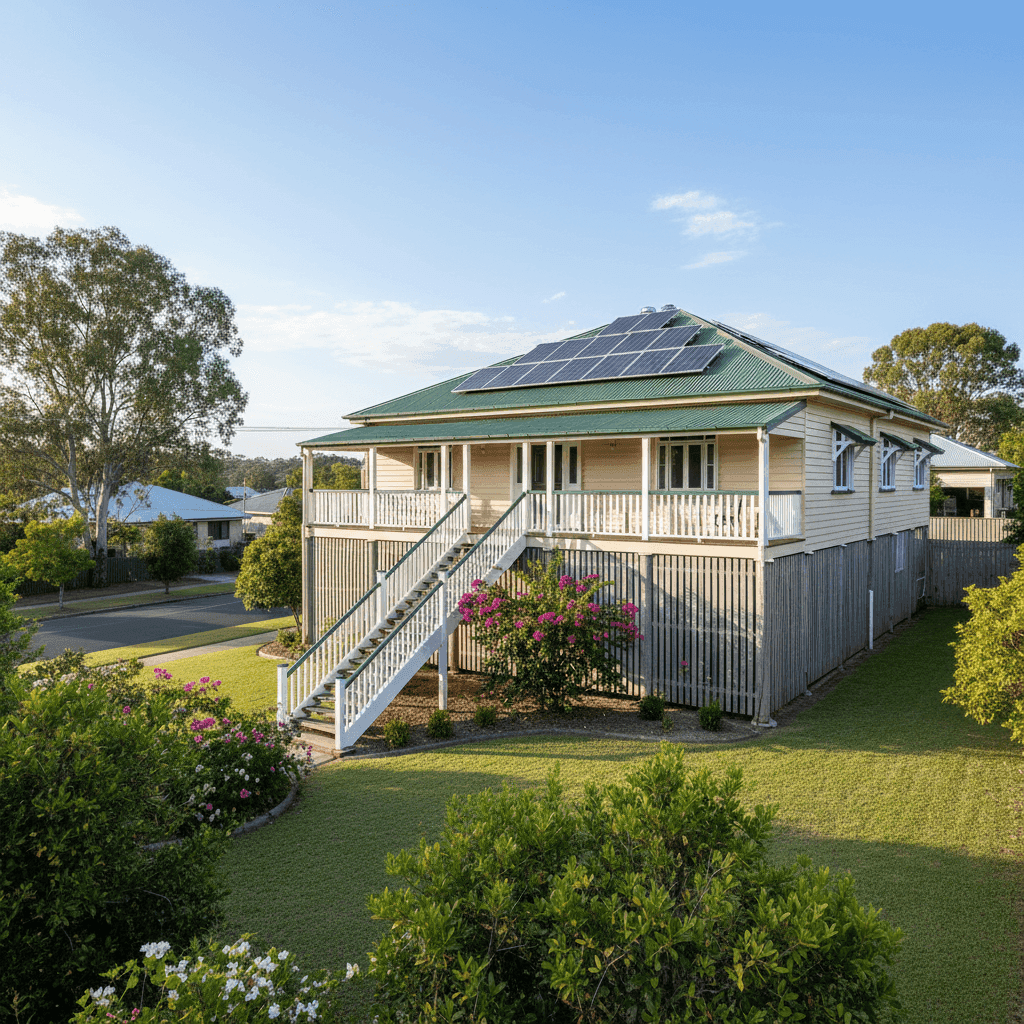
If you own a free standing home in Laidley, QLD 4341, you're probably well aware that insurance costs in South East Queensland can vary enormously — and not always in your favour. This article breaks down a real building insurance quote for a three-bedroom, two-bathroom weatherboard home in Laidley, comparing it against suburb, state, and national benchmarks so you can judge whether you're getting a fair deal.
---
Is This Quote Fair?
The quote in question comes in at $1,772 per year (or $174 per month) for building-only cover on a home insured for $745,000, with a $2,000 building excess. Our price rating for this quote is CHEAP — below the suburb average — which is genuinely good news for the homeowner.
To put that in perspective, the 25th percentile for Laidley sits at $1,885 per year, meaning this quote is actually priced below the cheapest quarter of quotes in the suburb. In practical terms, that's a strong result. It suggests the insurer has assessed the specific property characteristics favourably, and the homeowner is capturing real savings compared to what many of their neighbours are paying.
At $1,772 annually, this policy is:
- $163 less than the suburb's 25th percentile ($1,885/yr)
- $768 less than the suburb average ($2,540/yr median)
- $2,775 less than the Queensland state average ($4,547/yr)
- $1,193 less than the national average ($2,965/yr)
That's a meaningful saving — particularly when stacked against Queensland's notoriously high insurance costs.
---
How Laidley Compares
Laidley's local insurance data paints an interesting picture. Based on 34 quotes collected for the suburb, the average annual premium sits at $2,935, with a median of $2,540. The spread is wide — from $1,885 at the 25th percentile up to $3,176 at the 75th percentile — which tells you that the insurer you choose (and the features of your specific property) can make a very significant difference to what you pay.
Zooming out to the Lockyer Valley LGA, the average premium climbs to $4,076 per year, which is considerably higher than Laidley's own suburb average. This likely reflects the broader mix of properties across the LGA, including those in higher-risk flood or storm-affected areas.
At the state level, Queensland homeowners face an average premium of $4,547 per year — the highest in the country by a significant margin. This is driven by the state's exposure to cyclones, flooding, storms, and hail. Laidley itself is not classified as a cyclone risk area, which helps keep local premiums more competitive.
Compared to the national average of $2,965/yr, Laidley's suburb median of $2,540 is actually below the national benchmark — a relatively rare outcome for a Queensland postcode. This quote, at $1,772, sits well below all of these reference points.
---
Property Features That Affect Your Premium
Several characteristics of this property are worth examining, as they directly influence how insurers price the risk.
Weatherboard Timber Construction
Weatherboard wood external walls are one of the most common construction types in older Queensland homes, but they do carry a higher fire risk compared to brick or rendered masonry. Insurers typically factor this in when calculating premiums. That said, a well-maintained weatherboard home with a modern steel roof can still attract competitive pricing.
Steel / Colorbond Roof
The Colorbond steel roof is a positive feature from an insurance standpoint. It's durable, resistant to ember attack, and performs well in storms compared to older materials like terracotta tiles or fibrous cement sheeting. This likely contributes to the favourable premium outcome here.
Elevated on Stumps
This 1930s home sits elevated by at least one metre on stumps — a classic Queenslander design. Elevation is a significant flood mitigation factor. Homes that sit above potential inundation levels are generally viewed more favourably by insurers, particularly in areas like the Lockyer Valley that have a history of flood events. This feature almost certainly plays a role in the below-average premium.
Age of Construction (1930)
A home built in 1930 is now nearly 100 years old. While character homes like this are charming, their age can be a double-edged sword for insurance. Older electrical wiring, plumbing, and structural elements may attract higher premiums from some insurers. It's important to ensure your sum insured accurately reflects the full cost of rebuilding, including heritage-style materials and labour.
Solar Panels
The property has solar panels installed. Most standard building policies cover solar panels as part of the building sum insured, but it's worth confirming this with your insurer. Ensure the replacement value of your solar system is factored into your $745,000 sum insured.
Timber and Laminate Flooring
The timber and laminate flooring throughout is consistent with the era of construction. In a flood or storm event, ground-level timber flooring can be particularly vulnerable, though the elevated foundation reduces this risk considerably.
---
Tips for Homeowners in Laidley
1. Review your sum insured regularly Building costs have risen sharply in recent years. A home built in 1930 with weatherboard construction and period features can be expensive to rebuild accurately. Make sure your $745,000 sum insured reflects current labour and material costs — underinsurance is one of the most common and costly mistakes homeowners make.
2. Confirm solar panel coverage Check the product disclosure statement (PDS) to verify that your solar panels are explicitly covered under your building policy. Some insurers include them automatically; others may require a separate endorsement or have specific exclusions.
3. Maintain your weatherboard cladding Weatherboard homes require regular maintenance — painting, caulking, and replacing damaged boards. Insurers can reduce or deny claims if damage is attributed to lack of maintenance rather than an insured event. Keeping your home in good condition also helps at renewal time.
4. Compare quotes before renewing This quote is priced well below the suburb average, but that doesn't mean it will stay that way at renewal. Insurers regularly adjust their pricing models, and loyalty doesn't always pay. Use a comparison tool like CoverClub to benchmark your renewal premium against the market each year.
---
Find Your Best Rate with CoverClub
Whether you're a first-time buyer or a long-term Laidley homeowner, it pays to know what the market looks like before you commit to a policy. CoverClub makes it easy to compare building insurance quotes side by side, so you can see exactly where your premium sits relative to your suburb, your LGA, and the national average. Get a quote today at CoverClub and make sure you're not paying more than you need to.