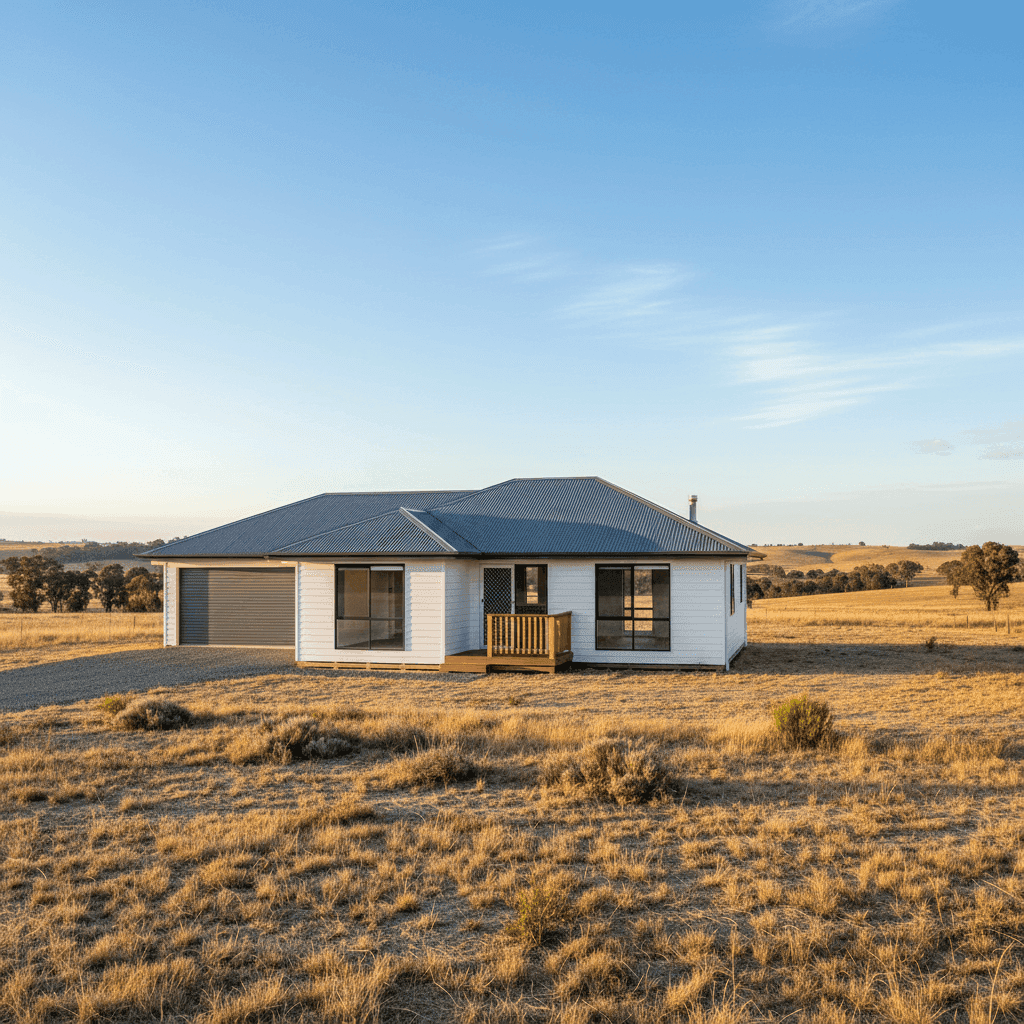
If you own a free standing home in Lake Grace, WA 6353, you might be wondering whether your home insurance premium is reasonable — or whether you're paying too much (or too little) for the cover you need. In this article, we break down a real home and contents insurance quote for a three-bedroom property in this quiet Wheatbelt town, compare it against Western Australian and national benchmarks, and share some practical tips to help you get the most out of your policy.
---
Is This Quote Fair?
The annual premium on this quote comes in at $958 per year (or about $93 per month) for combined home and contents cover — insuring the building for $505,000 and contents for $100,000. Our price rating for this quote is CHEAP, meaning it sits well below average for the region and the country.
To put that into perspective: the average home insurance premium across Western Australia is $2,144 per year, with a state median of $1,944. Nationally, the average climbs even higher to $2,965 per year, with a median of $2,716. This quote is less than half the WA average — a genuinely strong result for the homeowner.
Even compared to the local government area average for Dumbleyung Shire (which covers Lake Grace), where premiums average $1,531 per year, this quote represents a saving of around $573 annually. That's money that stays in your pocket.
So yes — by any reasonable measure, this is a competitive quote. But it's still worth understanding why it's priced this way, and whether the cover is actually appropriate for the property.
---
How Lake Grace Compares
Lake Grace is a small agricultural community in WA's Wheatbelt region, roughly 350 kilometres south-east of Perth. Like many rural towns in the region, it sits outside cyclone risk zones, major flood plains, and high-density bushfire corridors — all of which tend to push premiums up significantly in other parts of Australia.
Here's a quick snapshot of how this quote stacks up:
| Benchmark | Annual Premium |
|---|---|
| This Quote | $958 |
| LGA (Dumbleyung) Average | $1,531 |
| WA State Average | $2,144 |
| WA State Median | $1,944 |
| National Average | $2,965 |
| National Median | $2,716 |
The gap between this quote and the national average is striking — nearly $2,000 less per year. Much of this difference comes down to geography and risk profile. Lake Grace doesn't face the same extreme weather exposures as, say, coastal Queensland towns or flood-prone areas in northern NSW. Insurers price risk accordingly, and homeowners in lower-risk inland WA communities often benefit from that.
---
Property Features That Affect Your Premium
Several characteristics of this particular property influence how insurers assess and price the risk.
Age and Construction (1962, Hardiplank/Hardiflex Walls, Colorbond Roof)
Built in 1962, this home is over 60 years old — a factor that insurers pay close attention to. Older homes can carry higher risk due to ageing plumbing, wiring, and structural components. However, this property features Hardiplank Hardiflex external walls, which are a fibre cement product known for good durability and fire resistance. This is a positive signal for insurers compared to, say, weatherboard or asbestos-era cladding.
The steel Colorbond roof is another tick in the right column. Colorbond is widely regarded as one of the most resilient roofing materials available in Australia — resistant to corrosion, fire, and high winds — and tends to attract more favourable underwriting treatment than older tile or terracotta roofs.
Slab Foundation and Vinyl Flooring
A concrete slab foundation provides excellent structural stability and is generally viewed positively by insurers. Combined with vinyl flooring, the overall fit-out is practical and cost-effective to repair or replace in the event of damage — which helps keep the contents and building replacement estimates grounded.
Standard Fittings, No Pool, No Solar
With standard fittings throughout and no pool, solar panels, or ducted climate control system, this home has a relatively straightforward risk profile. High-end fittings, pools, and complex energy systems all add to the cost of rebuilding or replacing — and to the premium. Keeping things simple works in the homeowner's favour here.
Building Size and Sum Insured
At 130 sqm with a building sum insured of $505,000, the per-square-metre rebuild cost implied is approximately $3,885/sqm. This is on the higher end for a modest regional home, and it's worth periodically reviewing whether your sum insured accurately reflects current construction costs in your area — neither over-insuring (which wastes money) nor under-insuring (which can leave you exposed at claim time).
---
Tips for Homeowners in Lake Grace
1. Review Your Sum Insured Regularly
Construction costs have risen sharply across Australia in recent years. Make a habit of reviewing your building sum insured annually — ideally using an independent building cost calculator — to ensure you're covered for the full cost of rebuilding, not just the market value of the property.
2. Keep Your Home Well-Maintained
Insurers can reduce or deny claims if damage is attributed to poor maintenance. For an older home like this one, regular checks on roofing, gutters, plumbing, and electrical systems are especially important. A well-maintained Colorbond roof and Hardiflex cladding should serve the home well — but don't neglect the basics.
3. Understand Your Excess Obligations
This policy carries a $2,000 building excess and a $1,000 contents excess. Before claiming for minor damage, weigh the excess against the cost of repair. For smaller incidents, it may be more cost-effective to self-fund repairs and preserve your claims history, which can help keep future premiums lower.
4. Compare Quotes Before Renewing
Even if your current premium is competitive, insurers adjust their pricing models regularly. What's cheap today may not be cheap next year. Use a comparison tool like CoverClub to benchmark your renewal quote against the market before automatically rolling over.
---
Get a Quote for Your Lake Grace Home
Whether you're a first-time buyer or a long-term homeowner in Lake Grace, it pays to know where your premium sits relative to the market. CoverClub makes it easy to compare home and contents insurance quotes from a range of Australian insurers — so you can be confident you're getting the right cover at a fair price.