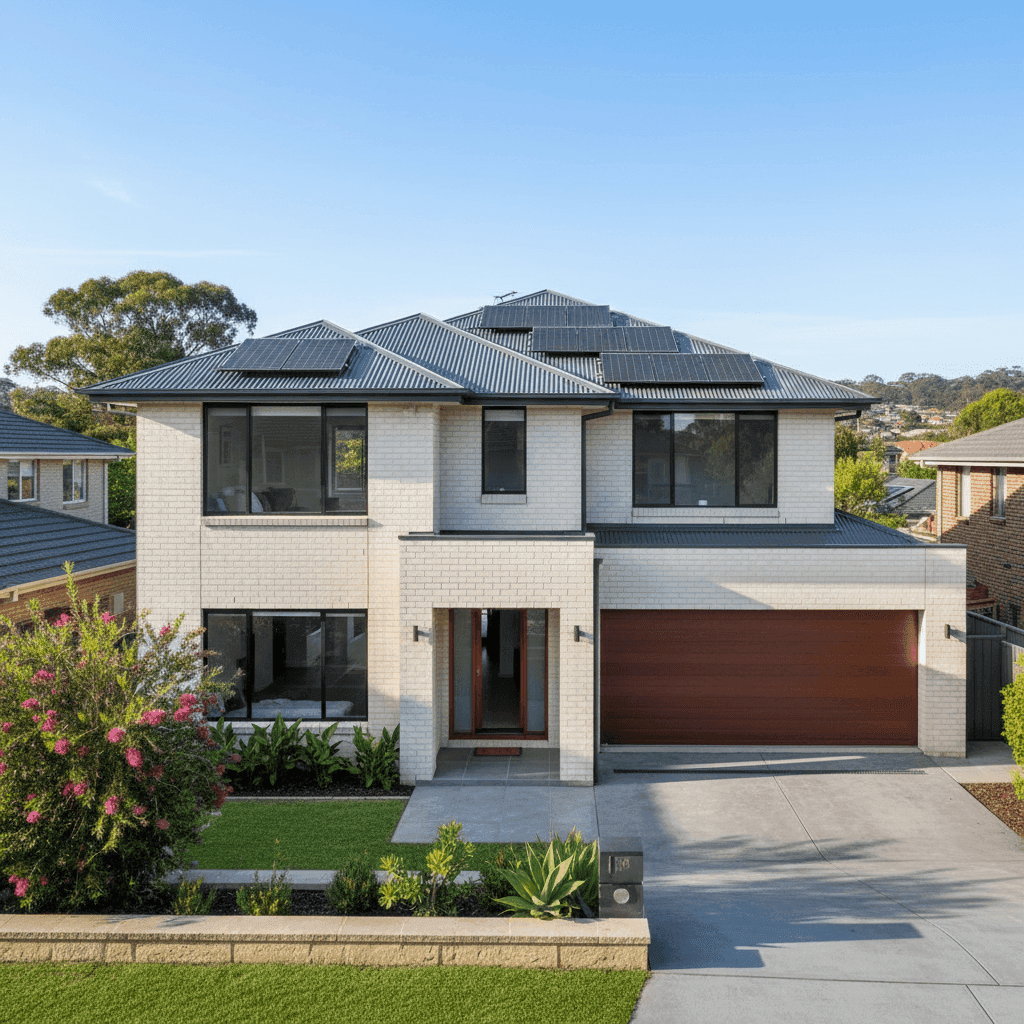
If you own a free standing home in Lake Heights, NSW 2502, you've probably wondered whether your home insurance premium is competitive — or whether you're quietly overpaying year after year. This article breaks down a real home and contents insurance quote for a four-bedroom property in the suburb and puts it in context against local, state, and national benchmarks.
---
Is This Quote Fair?
The quote in question comes in at $3,540 per year (or $371 per month) for a combined home and contents policy. The building is insured for $1,566,000 and contents are covered for $80,000, with a building excess of $4,000 and a contents excess of $2,000.
Our price rating for this quote is EXPENSIVE — above average for the Lake Heights area.
To put that in perspective: the suburb average premium for Lake Heights sits at just $1,831 per year, with a median of $1,718. This quote is nearly double the suburb median, which is a significant gap worth investigating.
It's worth noting that the high sum insured — $1,566,000 for the building — is a major driver here. A 268 sqm home built in 2015 with above-average fittings will naturally attract a higher replacement cost than a more modest property, and insurers price accordingly. Still, even accounting for that, the premium warrants scrutiny and comparison.
---
How Lake Heights Compares
Understanding where your suburb sits in the broader insurance landscape can help you gauge whether a quote is reasonable or inflated.
| Benchmark | Premium |
|---|---|
| Lake Heights suburb average | $1,831/yr |
| Lake Heights suburb median | $1,718/yr |
| Wollongong LGA average | $2,751/yr |
| NSW state median | $3,770/yr |
| National median | $2,764/yr |
A few things stand out here. First, Lake Heights premiums are well below the NSW state median of $3,770 — suggesting the suburb is generally considered a lower-risk area by insurers. The NSW state average of $9,528 is heavily skewed by high-value and high-risk properties across the state, so the median is a more reliable comparison point.
Zooming out to the national picture, the Australian median sits at $2,764 — still comfortably above what most Lake Heights homeowners are paying, which reflects the suburb's relatively favourable risk profile.
The quote analysed here exceeds all of these benchmarks, though the elevated building sum insured does explain a meaningful portion of that gap. Homeowners with more modest replacement values should expect to pay considerably less.
---
Property Features That Affect Your Premium
Every property is unique, and insurers weigh up dozens of variables when calculating your premium. Here's how the specific features of this home come into play:
Brick veneer construction is generally viewed favourably by insurers. It offers solid fire resistance and structural durability, which can help keep premiums lower compared to timber-framed or clad homes.
Steel/Colorbond roofing is another positive signal. Colorbond is lightweight, highly durable, resistant to corrosion, and performs well in storms — all factors that reduce the likelihood of a claim. Insurers in NSW tend to price this roof type competitively.
Slab foundation is the most common foundation type for homes built in this era and is generally considered low-risk from an insurer's perspective, particularly in areas without significant subsidence or flood history.
Tiled flooring throughout the home is a minor premium consideration — tiles are durable and low-maintenance, reducing the risk of water or wear-related claims compared to carpet or timber.
Above-average fittings quality is a notable factor. Kitchens, bathrooms, and fixtures of higher quality cost more to repair or replace, and this is reflected in both the sum insured and the premium. With three bathrooms and above-average finishes across a 268 sqm home, the replacement cost is legitimately higher than a standard build.
Solar panels add a small amount of complexity to the risk profile. Most home insurance policies cover rooftop solar systems as part of the building, but it's important to confirm this with your insurer and ensure the panels are included in your sum insured calculation.
The absence of a pool and the property not being in a cyclone risk zone are both premium-friendly factors that work in the homeowner's favour.
---
Tips for Homeowners in Lake Heights
Whether you're reviewing an existing policy or shopping around for the first time, here are four practical steps to make sure you're getting value for money.
1. Review your sum insured carefully. The building sum insured of $1,566,000 is the single biggest lever on this premium. It's essential that this figure reflects the true cost to rebuild — not the market value of the property. Overcovering can mean years of unnecessarily high premiums. Use a building cost calculator or speak with a quantity surveyor to get an accurate figure.
2. Compare your excess options. A $4,000 building excess is on the higher end. While choosing a higher excess reduces your annual premium, it also means more out-of-pocket costs if you do need to claim. Weigh up what you could comfortably afford in the event of a claim, and consider whether a lower excess with a slightly higher premium might actually suit your situation better.
3. Check that your solar panels are covered. With solar panels installed, confirm explicitly with your insurer that the system is included under your building cover. Ask about coverage for accidental damage, storm damage, and power surge — these are the most common solar-related claims.
4. Shop around at renewal time. Loyalty doesn't always pay in insurance. Premiums can shift significantly between providers for the same property, and many insurers offer better rates to new customers. Use a comparison platform like CoverClub to run quotes from multiple insurers at once and ensure you're not overpaying.
---
Find a Better Deal on CoverClub
If this quote has you questioning whether you're on the right policy, you're not alone. Home insurance pricing varies enormously between providers — even for identical properties. CoverClub makes it easy to compare real quotes for your specific home in Lake Heights, so you can see exactly what the market looks like and make a confident, informed decision.