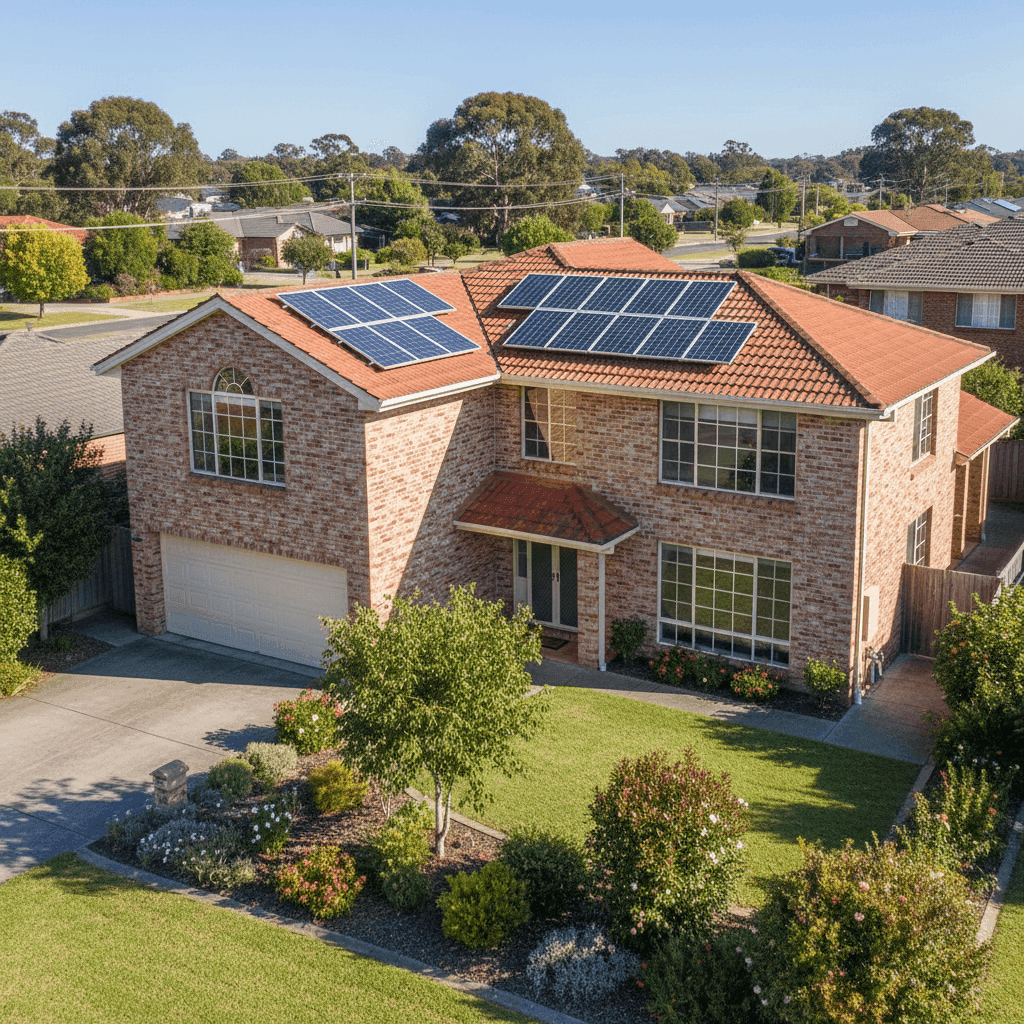
Lakelands is a quiet residential suburb sitting on the western shores of Lake Macquarie in New South Wales — part of one of Australia's largest coastal saltwater lakes. It's a popular area for families, and a five-bedroom free standing home here represents a substantial asset worth protecting with the right insurance cover. But how much should you actually be paying? This article breaks down a real home and contents insurance quote for a property in Lakelands (NSW 2282) and puts the numbers in context so you can make a more informed decision.
---
Is This Quote Fair?
The quote in question comes in at $3,706 per year (or $376/month) for combined home and contents cover, with a building sum insured of $1,000,000 and contents valued at $30,000. The building excess is $2,000 and the contents excess is $1,000.
Our price rating for this quote is Expensive (Above Average).
To understand why, it helps to look at the local landscape. The average home and contents premium across quotes we've seen in Lakelands sits at $2,863 per year, with a median of $3,121. This quote lands above the 75th percentile for the suburb — meaning it's more expensive than at least three-quarters of comparable quotes in the area.
That said, context matters. A $1,000,000 building sum insured is on the higher end and will naturally push premiums upward. The property is also a large home at 315 sqm with five bedrooms and three bathrooms, which increases the cost to rebuild and therefore the risk exposure for the insurer. If the sum insured were reduced to better reflect actual rebuild costs, the premium could look quite different.
---
How Lakelands Compares
Understanding where this quote sits relative to broader benchmarks is a useful exercise for any homeowner. Here's a snapshot:
| Benchmark | Premium |
|---|---|
| This Quote | $3,706/yr |
| Lakelands Suburb Average | $2,863/yr |
| Lakelands Suburb Median | $3,121/yr |
| Lakelands 75th Percentile | $3,565/yr |
| LGA (Lake Macquarie) Average | $3,593/yr |
| NSW State Average | $3,801/yr |
| NSW State Median | $3,410/yr |
| National Average | $2,965/yr |
| National Median | $2,716/yr |
A few things stand out here. While this quote is above average for Lakelands itself, it actually sits below the NSW state average of $3,801 — which is notably higher than the national average of $2,965. This tells us that New South Wales as a whole is an expensive state for home insurance, driven by factors like storm risk, bushfire exposure in certain areas, and high property values.
Interestingly, the Lake Macquarie LGA average of $3,593 is also elevated compared to the suburb average, suggesting that some properties in the broader LGA face higher risk profiles. Lakelands, by comparison, appears to attract relatively competitive pricing at the suburb level.
You can explore more local data on the Lakelands suburb insurance stats page, compare it against the NSW state overview, or see how it stacks up against national home insurance benchmarks.
> Note: The suburb sample size for Lakelands is 18 quotes, which is a reasonable but not large dataset. Averages may shift as more data becomes available.
---
Property Features That Affect Your Premium
Several characteristics of this property have a direct bearing on what insurers charge. Here's how each one plays a role:
Brick Veneer Walls & Tiled Roof
Brick veneer construction with a tiled roof is one of the most common combinations in Australian suburban homes built in the 1990s — and for good reason. Insurers generally view this combination favourably because both materials offer solid fire resistance and durability. Compared to weatherboard or colorbond alternatives, this profile tends to attract more moderate premiums.
Slab Foundation
A concrete slab foundation is considered low-risk by most insurers. There's no subfloor cavity to worry about, which reduces the likelihood of certain types of water damage, pest ingress, or subsidence claims. This is a positive factor for premium pricing.
Timber & Laminate Flooring
While timber and laminate flooring adds aesthetic and resale value, it can be more costly to repair or replace after water damage than tiles. Insurers may factor this in when assessing contents and building risk, particularly for ground-floor areas.
Solar Panels
Solar panels are increasingly common on Australian homes, but they do add complexity to insurance. They increase the rebuild value of the property, can be damaged in storms or hail, and may require specific coverage inclusions. It's worth confirming your policy explicitly covers solar panel damage and replacement — not all standard policies do.
Ducted Climate Control
A ducted air conditioning system is a significant fixed asset. Mechanical breakdown isn't typically covered under standard home insurance, but damage from events like storms or fire would generally be included. The presence of this system contributes to the overall building sum insured.
Construction Year: 1995
A home built in 1995 is around 30 years old — old enough that some components (roofing, plumbing, electrical) may be approaching end-of-life. Insurers may price older properties slightly higher due to the increased likelihood of maintenance-related claims, though this varies significantly between providers.
---
Tips for Homeowners in Lakelands
If you're looking to get better value from your home insurance, here are four practical steps worth considering:
- Review your building sum insured carefully. A $1,000,000 sum insured may be more than necessary depending on your property's actual rebuild cost. Overinsuring means you're paying premiums on coverage you may never need. Use a professional building estimator or an online rebuild calculator to find a more accurate figure — and make sure it reflects current construction costs, which have risen sharply in recent years.
- Shop around at renewal time. Loyalty rarely pays in the insurance industry. Premiums can vary significantly between providers for the same property, and many insurers reserve their best rates for new customers. Comparing quotes annually is one of the most effective ways to reduce your insurance spend.
- Consider adjusting your excess. This quote carries a $2,000 building excess and $1,000 contents excess. Opting for a higher voluntary excess can meaningfully reduce your annual premium — just make sure you can comfortably cover the excess amount if you need to make a claim.
- Check your solar panel coverage. Given the solar panels on this property, it's worth reading the fine print of any policy you consider. Ask specifically whether panels are covered for storm, hail, and accidental damage, and whether the insurer includes the cost of reinstallation in their payout.
---
Find a Better Deal with CoverClub
Whether you're renewing your existing policy or insuring a property for the first time, comparing quotes is the single best thing you can do to make sure you're not overpaying. CoverClub makes it easy to see how your premium stacks up and find competitive options tailored to your property. Get a home insurance quote today and take control of what you're paying.