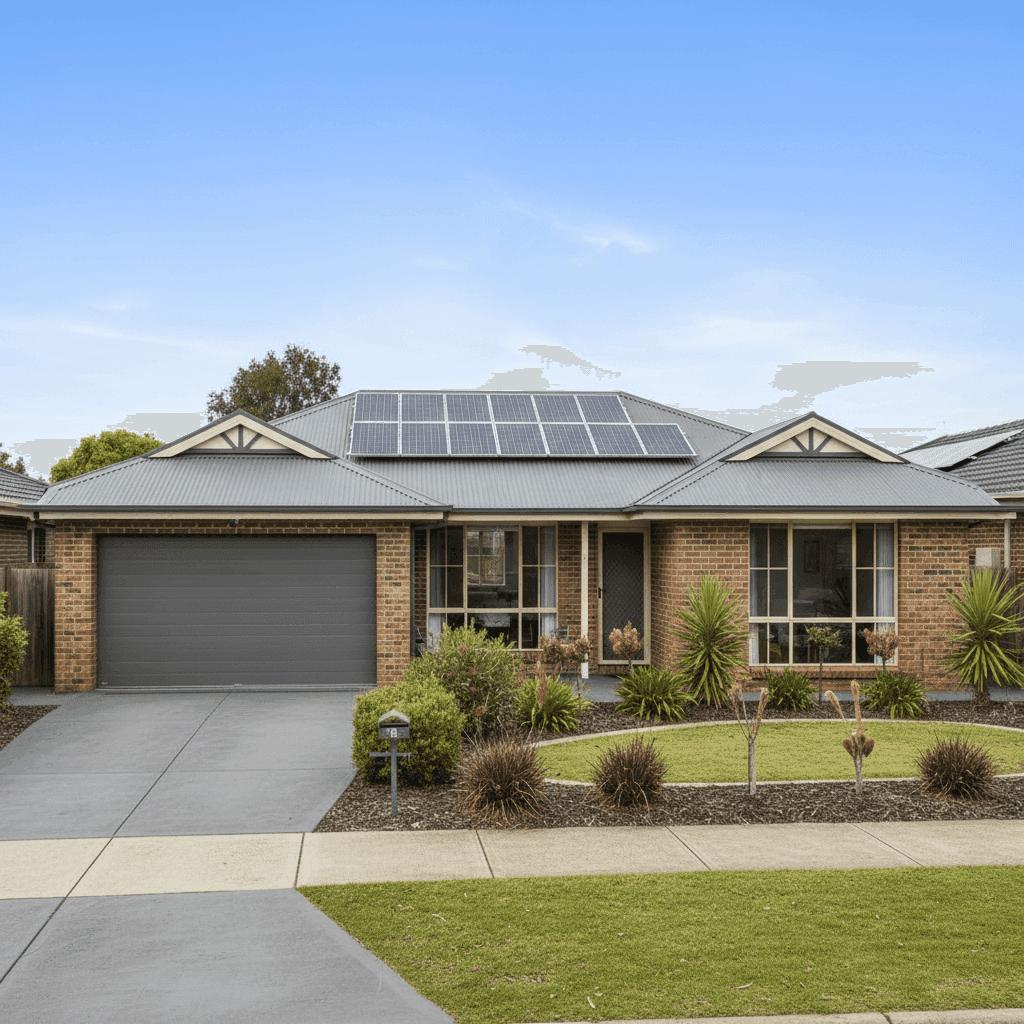
Langwarrin is a well-established suburban locality in Melbourne's south-east, sitting within the City of Frankston. Known for its leafy streets, proximity to the Mornington Peninsula, and a strong mix of family homes, it's a suburb where protecting your property with solid home and contents insurance makes a lot of sense. This article breaks down a real home and contents insurance quote for a 3-bedroom, 2-bathroom free standing home in Langwarrin — and puts it in context against local, state, and national benchmarks.
---
Is This Quote Fair?
The annual premium for this property comes in at $1,612 per year (or approximately $154 per month), covering both building (sum insured: $552,000) and contents ($65,000), each with a $1,000 excess.
Our price rating for this quote is FAIR — Around Average. That might sound underwhelming, but in the context of the Langwarrin market, it's actually a reasonably competitive result. Here's why:
- The suburb average premium sits at $2,826/year, meaning this quote is roughly 43% below the local average.
- The suburb median is $2,007/year — and this quote still comes in beneath that figure.
- Only the 25th percentile of Langwarrin quotes (the cheapest quarter) falls lower, at around $1,545/year.
So while "fair" might not sound exciting, this quote is sitting in the lower half of the local pricing spread — closer to the cheaper end than the expensive end. The "fair" rating reflects that there may still be room to find a slightly better deal, but this is far from an overpriced policy.
---
How Langwarrin Compares
To truly appreciate where this quote lands, it helps to zoom out and look at the broader picture. You can explore the full data on the Langwarrin suburb stats page, the Victoria state overview, or the national insurance statistics.
| Benchmark | Premium |
|---|---|
| This quote | $1,612/yr |
| Langwarrin suburb average | $2,826/yr |
| Langwarrin suburb median | $2,007/yr |
| Frankston LGA average | $3,283/yr |
| Victoria average | $3,000/yr |
| Victoria median | $2,718/yr |
| National average | $5,347/yr |
| National median | $2,764/yr |
A few things stand out here. First, Langwarrin's average of $2,826/year is actually quite close to the Victorian state average of $3,000/year — suggesting the suburb carries a broadly similar risk profile to the rest of the state. Second, the Frankston LGA average of $3,283/year is notably higher than the suburb average, which indicates that other parts of Frankston may be pulling that LGA figure upward — perhaps areas with greater flood, storm, or coastal exposure.
At the national level, the average of $5,347/year is dramatically higher — largely driven by elevated premiums in cyclone-prone Queensland and Northern Territory, as well as flood-affected regions across New South Wales and Victoria. Langwarrin, by comparison, is a relatively low-risk suburban environment, which helps keep premiums more manageable.
---
Property Features That Affect Your Premium
Several characteristics of this particular property work in favour of a lower premium:
Brick Veneer Construction Brick veneer is one of the most common and well-regarded external wall materials in Australian suburban homes. It offers solid fire resistance and structural durability, which insurers generally view favourably when pricing risk.
Steel / Colorbond Roof A Colorbond steel roof is highly regarded by insurers. It's resistant to fire, handles wind and hail well compared to older tile or fibrous cement roofs, and tends to have a long service life. This is a genuine premium-reducing feature.
Concrete Slab Foundation A slab foundation is considered stable and low-risk in most Melbourne suburban contexts. It reduces the likelihood of subsidence or structural movement claims, which can be costly for insurers.
Construction Year: 2004 At just over 20 years old, this home sits in a comfortable middle ground — modern enough to meet contemporary building standards, but not brand new (which can sometimes attract higher replacement cost estimates). Homes built post-2000 generally benefit from updated wiring, plumbing, and structural standards.
Solar Panels The presence of rooftop solar panels is worth noting. While they add value to the property, they also add to the replacement cost in the event of a major claim — particularly for roof damage. It's important to ensure the sum insured accounts for the cost of replacing the solar system, which can run into several thousand dollars.
Standard Fittings, Timber/Laminate Flooring Standard-quality fittings and laminate or timber flooring keep the rebuild cost estimate reasonable. High-end finishes, custom joinery, and imported tiles can significantly inflate building sums insured — and premiums to match.
No Pool, No Ducted Climate Control The absence of a pool removes a common liability and maintenance risk factor. No ducted climate control also simplifies the building's mechanical systems, reducing potential claim complexity.
---
Tips for Homeowners in Langwarrin
1. Review Your Sum Insured Regularly With construction costs continuing to rise across Victoria, the cost to rebuild a home has increased significantly in recent years. A sum insured of $552,000 for a 139 sqm brick veneer home may be appropriate today, but it's worth reassessing annually — particularly if you've made renovations or additions.
2. Factor In Your Solar Panels Make sure your building sum insured explicitly covers the replacement cost of your solar panel system. Panels, inverters, and installation costs should all be included. If you're unsure, contact your insurer to confirm solar is covered under your policy.
3. Compare at Renewal Time The insurance market in Langwarrin shows a wide spread — from around $1,545/year at the 25th percentile to over $3,161/year at the 75th percentile. That's a massive range for essentially similar properties. Shopping around at renewal could save you hundreds of dollars without sacrificing cover quality.
4. Consider Your Excess Level Both the building and contents excess on this policy are set at $1,000. A higher voluntary excess can reduce your annual premium, while a lower excess gives you more protection on smaller claims. Think about your financial buffer and claims history when deciding what excess level suits you best.
---
Ready to Find a Better Deal?
Whether you're renewing your current policy or shopping for the first time, comparing quotes is the single most effective way to ensure you're not overpaying. CoverClub makes it easy to see real quotes from multiple insurers side by side, so you can make a confident, informed decision.