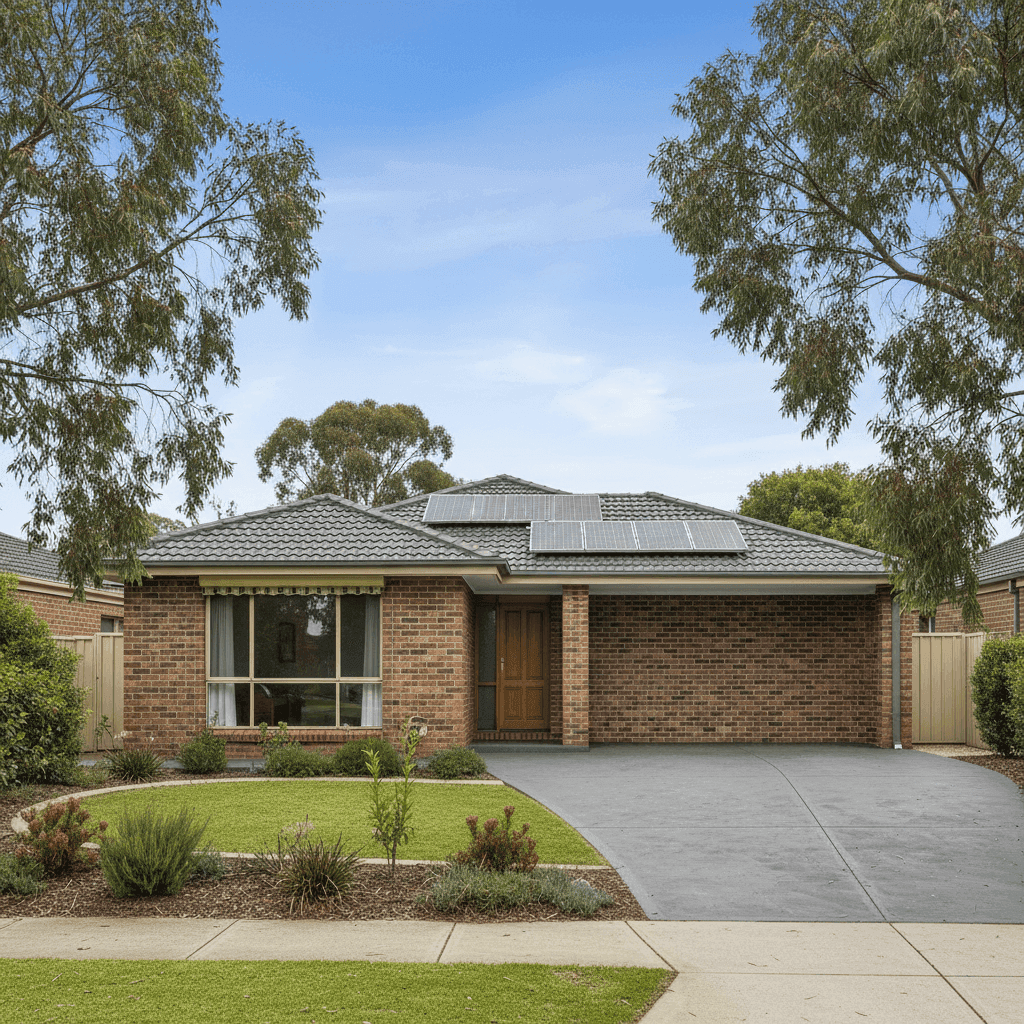
Langwarrin is a well-established suburb on Melbourne's Mornington Peninsula fringe, known for its leafy streets, family-friendly atmosphere, and a mix of older and newer residential properties. For homeowners in this part of Victoria, understanding what you should be paying for home and contents insurance — and why — can make a meaningful difference to your household budget. This article breaks down a recent quote for a three-bedroom, two-bathroom free standing home in Langwarrin (postcode 3910) and puts the numbers into context.
---
Is This Quote Fair?
The annual premium for this property came in at $2,230 per year (or roughly $207 per month), covering both building and contents with a sum insured of $704,000 for the building and $90,000 for contents. Both the building and contents excess are set at $1,000 each.
CoverClub's pricing analysis rates this quote as Fair — Around Average, which is a reasonable outcome for a home of this type and age. It's not the sharpest price on the market, but it's also well clear of the more expensive end of the spectrum. For a home built in 2004 with standard fittings, brick veneer walls, a tiled roof, and a concrete slab foundation, this kind of premium reflects a property that insurers generally view as a manageable risk.
The "fair" rating means the quote is competitive enough that you're not being overcharged, but there may still be room to do better — particularly if you shop around and compare multiple insurers.
---
How Langwarrin Compares
To put the $2,230 annual premium in perspective, here's how it stacks up against broader market data:
| Benchmark | Premium |
|---|---|
| This quote | $2,230/yr |
| Langwarrin suburb average | $2,826/yr |
| Langwarrin suburb median | $2,007/yr |
| Langwarrin 25th percentile | $1,545/yr |
| Langwarrin 75th percentile | $3,161/yr |
| LGA (Frankston) average | $3,283/yr |
| Victoria state average | $3,000/yr |
| Victoria state median | $2,718/yr |
| National average | $5,347/yr |
| National median | $2,764/yr |
(Based on 70 quotes collected for the Langwarrin area. See full [Langwarrin suburb insurance stats](https://coverclub.com.au/stats/VIC/3910/langwarrin).)
A few things stand out here. The quote sits above the suburb median ($2,007) but below the suburb average ($2,826) — which makes sense given that averages are pulled upward by high-value outliers. It's also comfortably below the Frankston LGA average of $3,283 and the Victorian state average of $3,000, suggesting this homeowner is not being stung by excessive local loading.
Compared to the national average of $5,347, this quote looks quite reasonable. That national figure is heavily influenced by high-risk areas in Queensland and Western Australia — particularly cyclone-prone regions — so it's not always a fair comparison for Melbourne suburbanites. Still, it's a useful reminder of just how much insurance costs can vary across the country.
For a more localised view, Victoria's state-wide insurance data shows a median of $2,718, meaning this quote is sitting just below the state median — a positive sign.
---
Property Features That Affect Your Premium
Several characteristics of this property influence how insurers price the risk:
Brick veneer construction and tiled roof Brick veneer is one of the most common and well-regarded wall materials in Australian suburbia. It offers solid fire resistance and durability, which insurers tend to reward with more competitive premiums compared to timber-framed or clad homes. Combined with a tiled roof — another standard, low-maintenance choice — this property presents a relatively low structural risk profile.
Concrete slab foundation Slab foundations are standard for homes built in this era and are generally viewed favourably by insurers. They're less susceptible to certain types of subsidence and pest damage compared to older suspended timber floors.
Construction year: 2004 At around 20 years old, this home is young enough to benefit from modern building standards but old enough that insurers don't apply the same scrutiny they might to a brand-new build. It's a comfortable middle ground.
Solar panels The presence of solar panels adds a small layer of complexity to the insurance picture. Panels themselves can be damaged by hail, storms, or falling debris, and their replacement cost needs to be factored into the building sum insured. It's worth confirming with your insurer that solar panels are explicitly covered under the policy.
Ducted climate control Ducted heating and cooling systems are a significant fixed asset and can be expensive to repair or replace. Ensuring your building sum insured adequately accounts for this system is important — underinsurance is a common and costly mistake.
No pool, standard fittings The absence of a pool keeps liability risk lower, and standard fittings mean the rebuild cost estimate is more straightforward. Both factors contribute to a more predictable premium.
---
Tips for Homeowners in Langwarrin
1. Review your building sum insured regularly $704,000 is a substantial sum insured, but construction costs have risen sharply in recent years. Make sure your figure reflects current rebuild costs — not just the market value of your home. A licensed quantity surveyor or online building calculator can help you arrive at an accurate number.
2. Check your solar panels are covered Not all policies automatically include solar panel systems, or they may have sub-limits. Ask your insurer directly whether your panels are covered for storm damage, hail, and electrical faults — and whether the inverter is included.
3. Don't set and forget your policy Insurance needs change as your property and belongings evolve. If you've renovated, purchased new appliances, or made significant improvements since you last updated your policy, your contents and building values may be out of date.
4. Compare quotes before renewal Even a "fair" quote can be beaten. Insurers reprice policies regularly, and loyalty doesn't always pay. Use a comparison tool like CoverClub to benchmark your renewal quote against the broader market before you commit.
---
Ready to Compare?
Whether you're a first-time buyer or a long-term Langwarrin resident, it pays to know what the market looks like before signing on the dotted line. CoverClub makes it easy to compare home and contents insurance quotes tailored to your property. Get a quote today and see how your premium stacks up — you might be surprised by what's available.