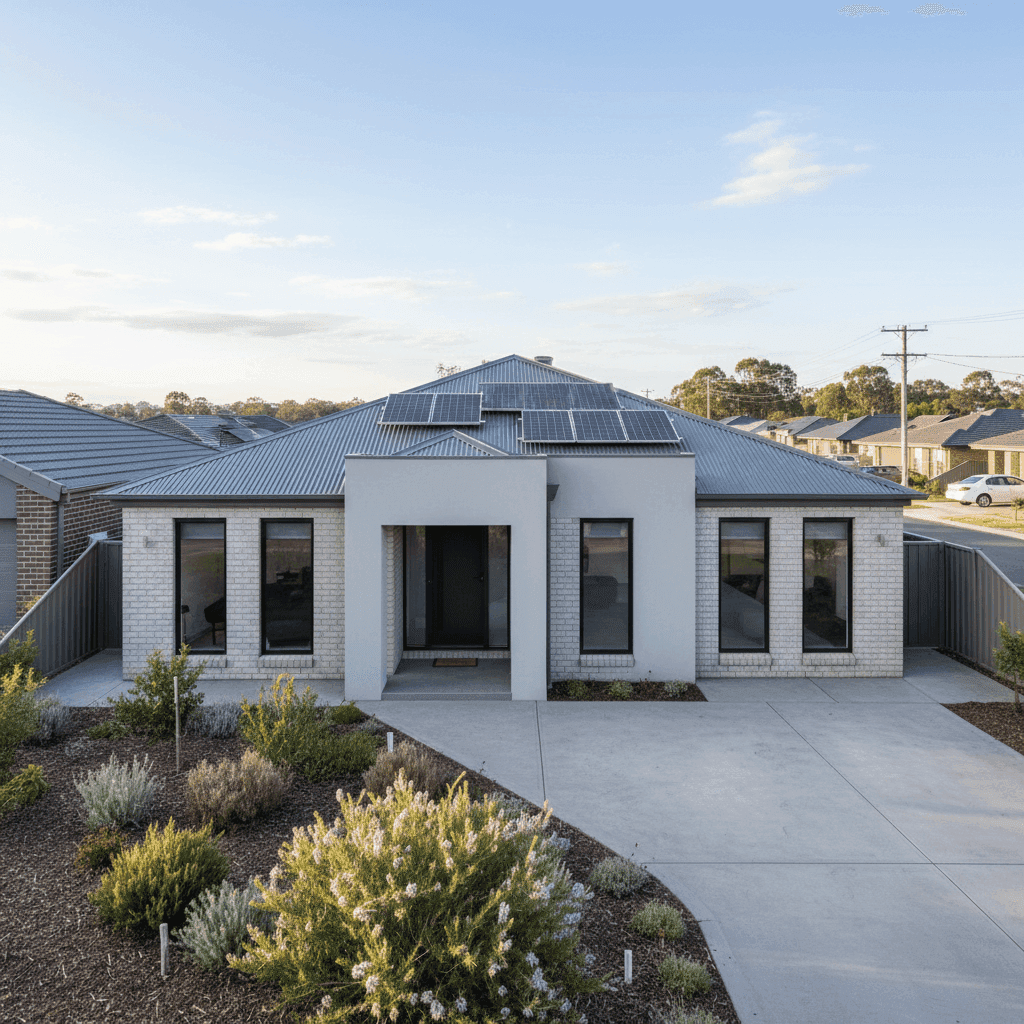
If you own a free standing home in Lara, VIC 3212, you've probably wondered whether you're paying too much — or too little — for home and contents insurance. Lara is a fast-growing suburb on the Bellarine Peninsula fringe, sitting between Geelong and Melbourne, and its insurance landscape reflects a mix of modern housing stock and regional risk factors. This article breaks down a real home and contents insurance quote for a 3-bedroom, 2-bathroom property in Lara, compares it against local, state and national benchmarks, and offers practical tips to help you get the best value cover.
---
Is This Quote Fair?
The quote in question comes in at $1,194 per year (or $121/month) for a free standing home with a building sum insured of $446,000 and contents valued at $84,000. Our price rating for this quote is FAIR — Around Average.
What does "fair" actually mean here? It means the premium sits in a reasonable range relative to comparable properties in the area — not a standout bargain, but certainly not overpriced either. The building excess is set at $3,000, which is on the higher side and is one of the key reasons the annual premium is kept relatively low. The contents excess of $500 is more standard. If you were to lower the building excess, you'd likely see the premium climb.
For a modern brick veneer home built in 2018 with above-average fittings, a Colorbond roof, and solar panels, $1,194/year represents reasonable value — particularly when you stack it up against what others in the suburb and across Victoria are paying.
---
How Lara Compares
The numbers tell an interesting story. Based on 103 quotes collected for Lara (postcode 3212):
| Benchmark | Premium |
|---|---|
| This quote | $1,194/yr |
| Lara suburb average | $1,910/yr |
| Lara suburb median | $1,794/yr |
| Lara 25th percentile | $1,070/yr |
| Lara 75th percentile | $2,506/yr |
| Greater Geelong LGA average | $1,852/yr |
| VIC state average | $2,921/yr |
| VIC state median | $2,694/yr |
| National average | $2,965/yr |
| National median | $2,716/yr |
This quote sits below the Lara suburb average by roughly $716/year and comfortably below both the Victorian and national averages. It falls between the 25th and 50th percentile for the suburb — meaning it's cheaper than at least half of all quotes collected in the area, which is a solid outcome.
The gap between Lara's average ($1,910) and the Victorian state average ($2,921) is notable. Lara generally benefits from lower flood and bushfire risk compared to many other parts of Victoria, which helps keep premiums more competitive. That said, there's still meaningful variation within the suburb — the spread between the 25th percentile ($1,070) and 75th percentile ($2,506) is wide, reinforcing that the insurer you choose and the specific details of your property can make a very significant difference to what you pay.
---
Property Features That Affect Your Premium
Several characteristics of this property work in the homeowner's favour from an insurance pricing perspective:
Construction year (2018): Newer homes typically attract lower premiums. A 2018 build means the property was constructed to modern building codes, with better structural integrity, updated electrical systems, and compliant plumbing — all of which reduce the likelihood of certain types of claims.
Brick veneer walls & Colorbond roof: Brick veneer is one of the most common and insurer-friendly external wall materials in Australia. It's durable, fire-resistant, and relatively inexpensive to repair or replace. Similarly, a steel Colorbond roof is highly regarded by insurers for its longevity, resistance to corrosion, and performance in adverse weather. This combination is about as favourable as it gets for building construction.
Slab foundation: Concrete slab foundations are generally viewed positively by insurers — they're structurally sound and less susceptible to subsidence or moisture-related damage compared to some older foundation types.
Solar panels: While solar panels add value to the property, they can also add a small amount of complexity to insurance. Most policies will cover permanently fixed solar panels as part of the building, but it's worth confirming this with your insurer and ensuring the sum insured reflects their replacement cost.
Ducted climate control: Ducted systems are a fixed building feature and should be captured in your building sum insured. At above-average fittings quality, this property has a higher-than-standard internal fit-out, which is appropriately reflected in the $446,000 building sum insured.
No pool, no cyclone risk: The absence of a swimming pool removes a common source of liability and maintenance-related claims. And being located in Victoria, this property sits well outside any cyclone risk zone — a factor that significantly elevates premiums in parts of Queensland and Western Australia.
---
Tips for Homeowners in Lara
1. Review your building sum insured regularly Construction costs have risen sharply in recent years. A home built in 2018 with above-average fittings and ducted climate control needs a sum insured that reflects today's rebuild costs — not the original purchase price. Underinsurance is one of the most common and costly mistakes homeowners make. Use a building calculator or speak with a quantity surveyor if you're unsure.
2. Compare quotes across multiple insurers The wide spread of premiums in Lara (from $1,070 to $2,506 at the 25th and 75th percentiles) shows that insurers price this suburb very differently. Don't assume your renewal price is competitive. Run a comparison at CoverClub to see what the market looks like for your specific property.
3. Consider the trade-off on excess This quote carries a $3,000 building excess, which is relatively high. While it lowers your annual premium, it means you'd need to cover the first $3,000 of any building claim yourself. Think about whether that's a comfortable level of self-insurance given your financial position, and model out what a lower excess (e.g. $1,000 or $2,000) would cost in premium terms.
4. Confirm your solar panels are covered If you have rooftop solar, double-check your policy wording. Most standard home insurance policies cover fixed solar panels as part of the building, but coverage for damage caused by the panels (e.g. electrical faults) can vary. Ask your insurer directly and keep records of the system's installation value.
---
Ready to Compare?
Whether you're renewing your existing policy or shopping for the first time, it pays to see the full picture. CoverClub aggregates real quote data from properties across Australia, so you can see exactly how your premium stacks up. Get a home insurance quote for your Lara property today and make sure you're not paying more than you need to.