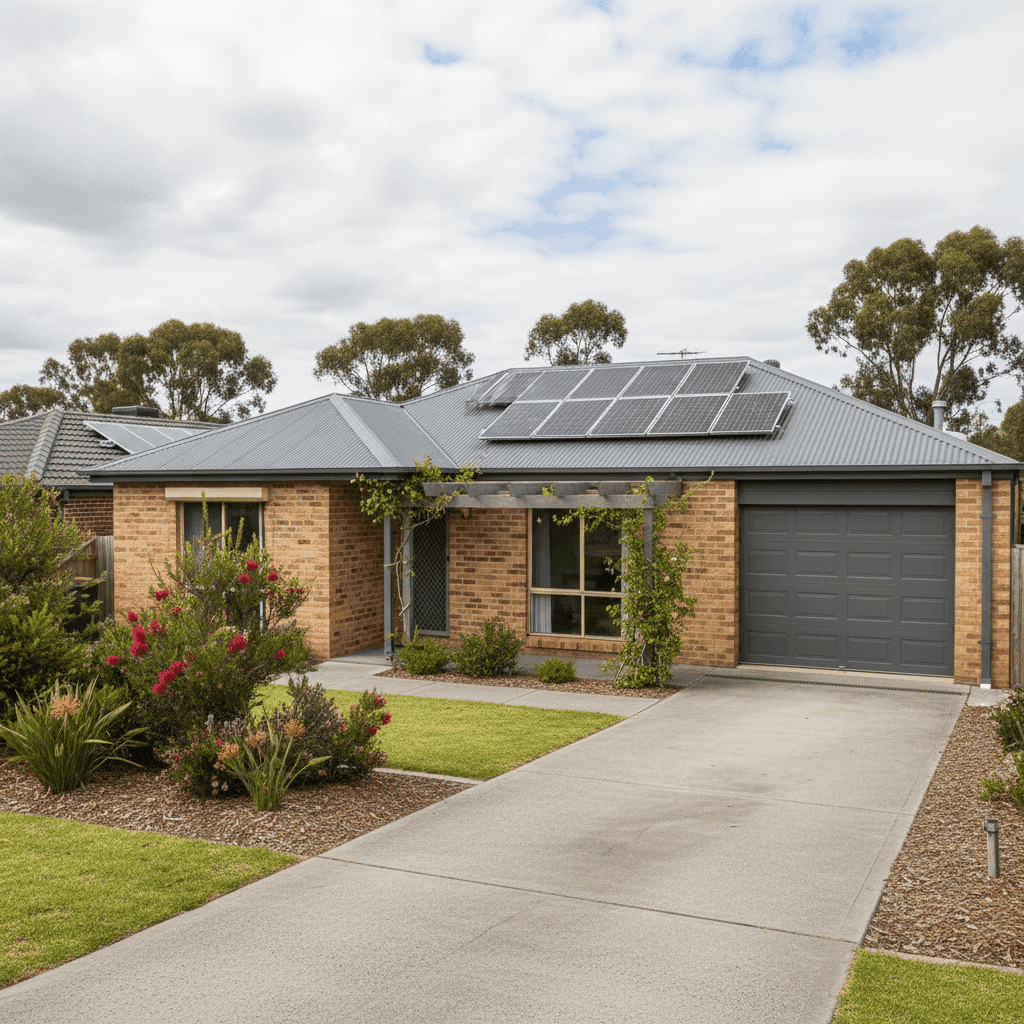
If you own a free standing home in Lara, VIC 3212, you're probably curious about what a fair home and contents insurance premium looks like — and whether there's room to save. Lara is a growing suburb on the northern fringe of Greater Geelong, popular with families for its relative affordability and easy freeway access to Melbourne. Like most Australian suburbs, insurance costs here vary widely depending on the property and the insurer. This article breaks down a real quote for a 3-bedroom, brick veneer home in the area and puts it in context against local, state, and national benchmarks.
---
Is This Quote Fair?
The quote in question comes in at $1,015 per year (or roughly $94 per month) for combined home and contents cover — with a building sum insured of $347,000 and contents cover of $120,000. The building excess is $3,000 and the contents excess is $1,000.
Our price rating for this quote is CHEAP — Below Average, which is a strong result for the homeowner.
To put that in perspective, the suburb average premium for Lara sits at $1,910 per year, based on a sample of 103 quotes. This quote comes in at roughly 47% below that average — a meaningful saving that, over a five-year period, could represent more than $4,400 in the homeowner's pocket.
Even measured against the cheapest end of the market in Lara — the 25th percentile of quotes at $1,070 per year — this premium still undercuts it. In other words, this is among the most competitively priced quotes available in the suburb.
---
How Lara Compares to the Rest of Victoria and Australia
Understanding where Lara sits relative to broader benchmarks helps frame just how reasonable local premiums can be. You can explore the full data on our Lara suburb insurance stats page.
| Benchmark | Average Premium | Median Premium |
|---|---|---|
| Lara (3212) | $1,910/yr | $1,794/yr |
| Greater Geelong LGA | $1,754/yr | — |
| Victoria | $2,921/yr | $2,694/yr |
| National | $2,965/yr | $2,716/yr |
A few things stand out here. First, Lara is notably cheaper than the Victorian state average — homeowners in Lara pay, on average, around 35% less than the typical Victorian policyholder. That gap widens further when compared to national averages, where premiums are running close to $3,000 per year.
The Greater Geelong LGA average of $1,754 per year is broadly in line with Lara's suburb figures, suggesting the region as a whole benefits from relatively moderate insurance risk compared to metro Melbourne or coastal and bushfire-prone areas elsewhere in Victoria.
The spread of premiums in Lara is also worth noting. With the 25th percentile at $1,070 and the 75th percentile at $2,506, there's a significant range — meaning the insurer you choose and how you structure your policy can make a very real difference to what you pay.
---
Property Features That Affect Your Premium
Several characteristics of this particular property would influence how insurers assess and price the risk.
Brick Veneer Walls and Colorbond Roof
Brick veneer is one of the most common external wall materials in Australia and is generally viewed favourably by insurers. It offers solid fire resistance and structural durability. Combined with a steel/Colorbond roof, which is low-maintenance, resistant to rust, and performs well in most weather conditions, this property presents a relatively straightforward risk profile from a building materials standpoint.
Stump Foundation
The home sits on stumps, which is common for properties built in the 1970s across Victoria. While stumped homes can be more susceptible to movement and subfloor moisture issues, they're also easier to inspect and repair than slab foundations. Insurers are generally familiar with this construction type and price it accordingly.
Timber and Laminate Flooring
Timber and laminate floors can be a cost consideration in claims — particularly for water damage — as they may require full replacement rather than spot repairs. This can influence contents and building cover pricing at the margins.
Solar Panels
This property has solar panels, which are increasingly common across Australia. Solar systems add value to the home and should be accounted for in the building sum insured. Most home insurance policies cover rooftop solar panels as part of the building, though it's worth confirming this with your insurer and ensuring your sum insured reflects their replacement cost.
Construction Year (1975)
At just over 50 years old, this home is considered an older dwelling by insurance standards. Older properties can attract slightly higher premiums due to the age of plumbing, wiring, and structural components. However, brick veneer construction from this era tends to be robust, and a well-maintained property can still attract competitive pricing — as this quote demonstrates.
No Pool, No Ducted Climate Control
The absence of a swimming pool removes a common liability risk that can push premiums higher. Similarly, no ducted climate control system means fewer mechanical components that could fail and cause water or fire damage — both factors that can contribute to a leaner premium.
---
Tips for Homeowners in Lara
Whether you're reviewing an existing policy or shopping for the first time, here are a few practical steps to make sure you're getting the right cover at the right price.
- Review your sum insured regularly. Building costs have risen significantly in recent years. Make sure your $347,000 building sum insured still reflects what it would actually cost to rebuild your home from scratch — not just its market value. Underinsurance is one of the most common and costly mistakes Australian homeowners make.
- Confirm your solar panels are covered. Ask your insurer explicitly whether your solar system is included under the building definition and whether it's covered for damage from storms, hail, and electrical faults. If it's not clearly covered, request an endorsement or consider a different policy.
- Consider your excess structure carefully. This quote carries a $3,000 building excess — on the higher side. A higher excess typically reduces your premium, but make sure you could comfortably cover that out of pocket in the event of a claim. If cash flow is a concern, a lower excess with a slightly higher premium may be a better fit.
- Compare quotes at renewal time. The insurance market in Lara shows a wide spread between the cheapest and most expensive quotes. Loyalty doesn't always pay — running a fresh comparison each year is one of the simplest ways to avoid overpaying.
---
Ready to See What You Could Pay?
Whether this quote matches your situation or you're starting from scratch, CoverClub makes it easy to compare home and contents insurance options for your property. Get a quote today and see how your premium stacks up against the rest of Lara — and the country.