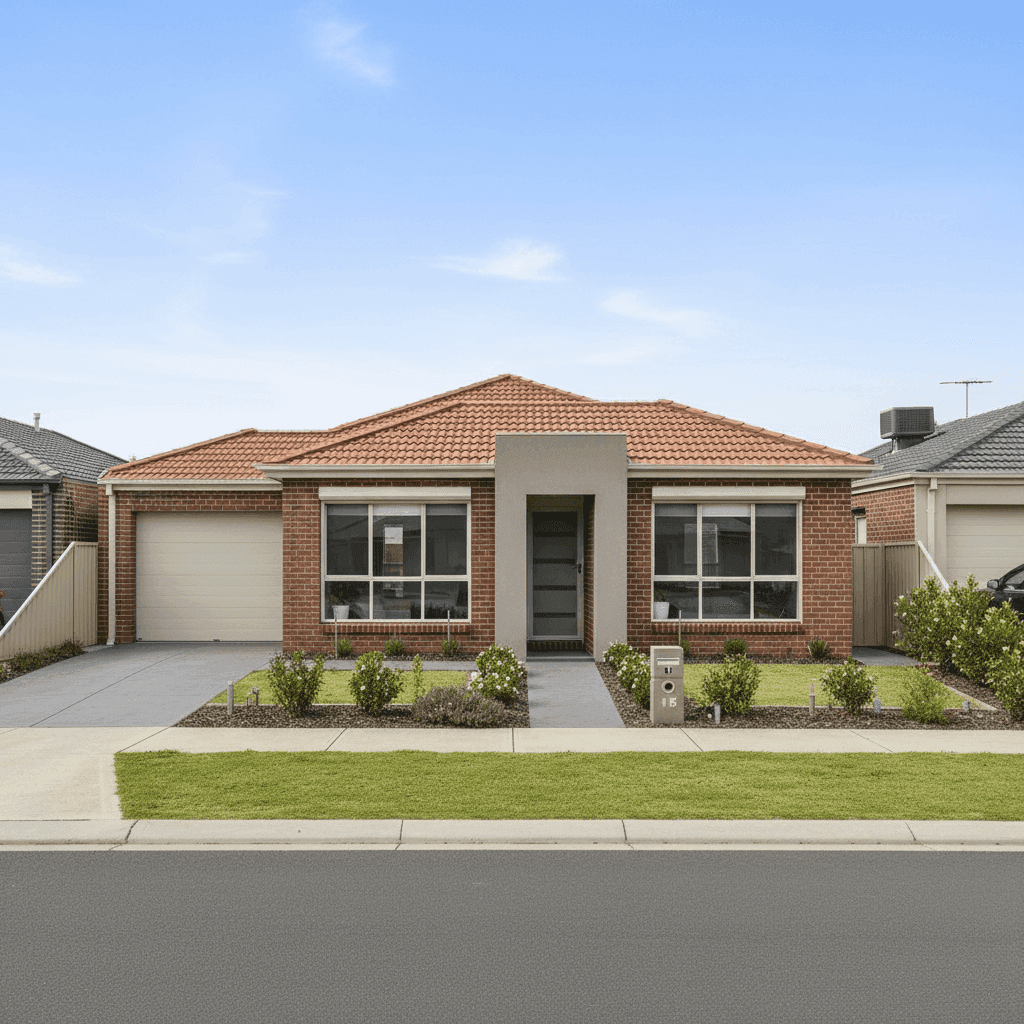
If you own a free standing home in Largs North, SA 5016, you're probably curious about whether what you're paying for home insurance stacks up. This article breaks down a real home and contents insurance quote for a three-bedroom, two-bathroom brick veneer home in this coastal suburb of Port Adelaide — and puts the numbers into context so you can make a more informed decision at renewal time.
---
Is This Quote Fair?
The quote in question comes in at $1,173 per year (or roughly $112 per month) for combined home and contents cover, with a $408,000 building sum insured and $50,000 in contents cover. The excess is set at $500 for both building and contents claims.
Our price rating for this quote is FAIR — Around Average.
That assessment is based on how the premium sits relative to what other homeowners in Largs North are paying. At $1,173/yr, this quote lands comfortably between the suburb's 25th percentile ($1,046/yr) and the median ($1,464/yr). In practical terms, you're paying less than what most comparable properties in the area are quoted — but you're not in bargain territory either.
For a home built in 2010 with standard fittings, a slab foundation, and tiled flooring, this kind of premium is broadly reasonable. The property doesn't carry any high-risk features like a swimming pool or solar panels that could push the price up, and it falls outside designated cyclone risk zones, which helps keep the premium grounded.
---
How Largs North Compares
To put this quote into proper perspective, it helps to zoom out and look at the broader pricing landscape. Here's how Largs North sits relative to the state and the country:
| Benchmark | Average Premium | Median Premium |
|---|---|---|
| Largs North (SA 5016) | $1,433/yr | $1,464/yr |
| South Australia | $2,433/yr | $1,679/yr |
| National | $5,347/yr | $2,764/yr |
The quote at $1,173/yr sits 18% below the suburb average and well under both the South Australian state average and the national average. The suburb's 75th percentile sits at $1,803/yr — meaning roughly a quarter of Largs North homeowners are paying significantly more than this.
It's worth noting the gap between the SA average ($2,433) and the SA median ($1,679). That spread suggests a handful of higher-risk or higher-value properties are pulling the average upward. Largs North's own averages are similarly influenced. For a standard three-bedroom home like this one, the median is arguably the more useful reference point — and at $291 below the suburb median, this quote is performing well.
You can explore more detailed suburb-level data on the Largs North insurance stats page, or check out the national benchmarks if you're curious how South Australia compares to other states.
The LGA average for Port Adelaide Enfield sits at $1,295/yr — and this quote comes in below that too, which is another encouraging sign.
---
Property Features That Affect Your Premium
Every insurer weighs up a combination of property characteristics and location risks when calculating a premium. Here's how the key features of this home likely influence the price:
Brick veneer construction is generally viewed favourably by insurers. It offers solid structural integrity and reasonable fire resistance, without the full cost of double-brick. Most Australian insurers price brick veneer homes competitively.
Tiled roof is another plus. Compared to Colorbond or older cement tiles, modern roof tiles are durable and widely accepted by insurers. They're less prone to storm damage than some alternatives and tend to attract standard rather than elevated premiums.
Slab foundation is the norm for homes built in South Australia from the 1990s onward, and it's generally a neutral factor in pricing — no elevated flood risk from subfloor spaces, and no concerns about stumps or piers.
Built in 2010, this home sits in a sweet spot. It's recent enough to comply with modern building codes (which improved significantly after the 2009 bushfire season), yet old enough that construction costs are well-established and predictable for insurers.
Ducted climate control is worth noting. While it's a valued feature, it does add to the replacement cost of the home — which may be reflected in the building sum insured of $408,000. Ensuring your sum insured accurately reflects rebuild costs (including ducted systems) is important to avoid underinsurance.
No pool, no solar panels, no cyclone risk — all of these absences help keep the premium down. Pools add liability exposure, solar panels increase roof replacement complexity, and cyclone-rated areas carry significantly higher premiums across the board.
---
Tips for Homeowners in Largs North
1. Review your building sum insured regularly Construction costs have risen sharply in recent years. A sum insured set even two or three years ago may no longer reflect what it would actually cost to rebuild your home from scratch. Use a building cost calculator or speak to a quantity surveyor to sense-check your figure.
2. Don't over-insure your contents — but don't under-insure either $50,000 in contents cover is a reasonable starting point for a three-bedroom home, but it's worth doing a room-by-room estimate. Many homeowners are surprised to find their actual contents value is higher once they account for electronics, whitegoods, furniture, and clothing.
3. Consider your excess carefully A $500 excess is fairly standard, but opting for a higher excess (say, $1,000 or $1,500) can reduce your annual premium meaningfully. If you have a solid emergency fund and are unlikely to make small claims, this trade-off can work in your favour over time.
4. Compare quotes at renewal — every year The insurance market shifts constantly. Insurers reprice based on claims data, reinsurance costs, and competitive pressures. A premium that was competitive last year may not be this year. Running a fresh comparison before you renew takes only a few minutes and could save you hundreds.
---
Ready to Compare?
Whether you're reviewing your current policy or shopping for cover on a new purchase, it pays to see what multiple insurers will offer for your specific property. At CoverClub, you can get a home insurance quote tailored to your address and compare it against real suburb and state benchmarks — so you always know where you stand.