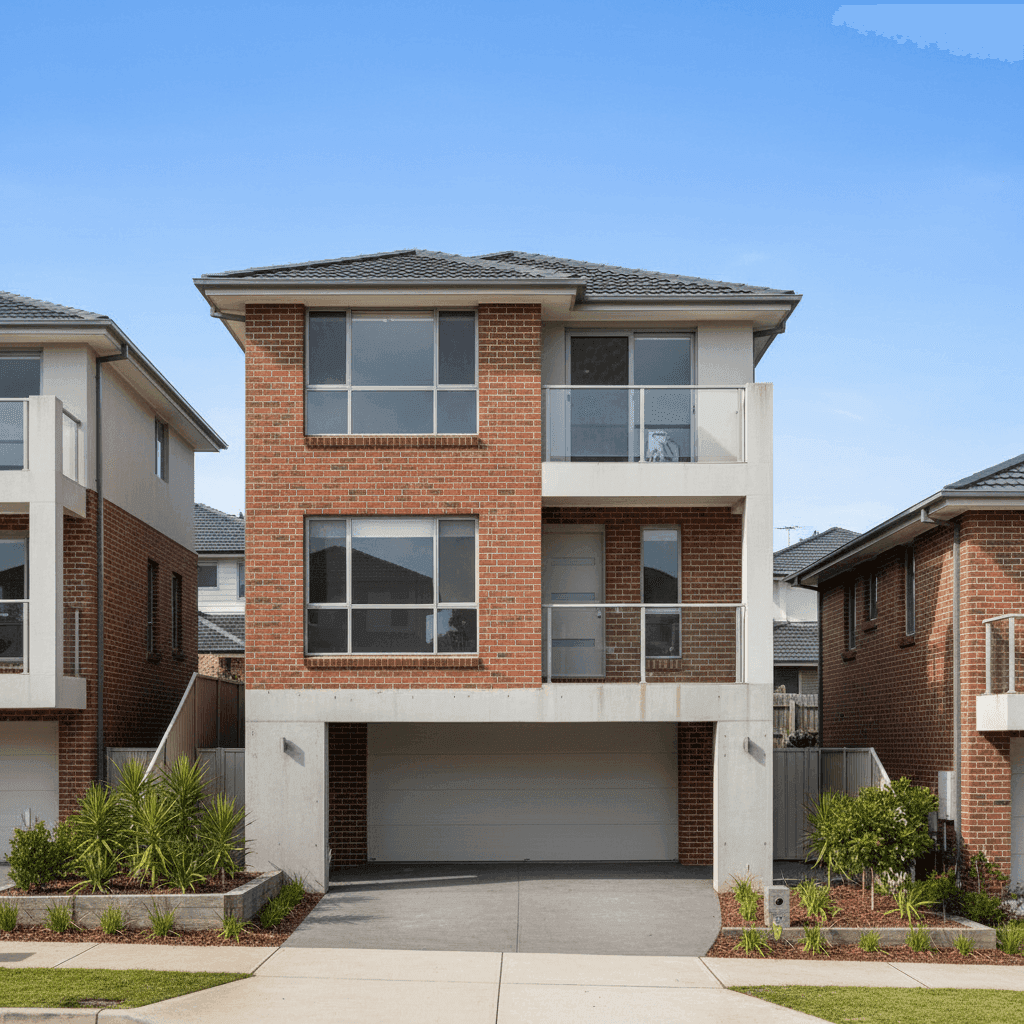
Lidcombe is a well-established suburb in Sydney's inner-west, sitting within the City of Parramatta local government area. Known for its mix of housing styles and convenient access to transport, it's a popular choice for families and professionals alike. For owners of a three-bedroom townhouse in this suburb, understanding what a fair home insurance premium looks like — and what's driving the cost — can make a real difference at renewal time.
This article breaks down a recent Home and Contents insurance quote for a brick veneer townhouse in Lidcombe, comparing it against local, state, and national benchmarks so you can make a more informed decision.
---
Is This Quote Fair?
The annual premium for this quote came in at $1,208 per year (or roughly $121 per month), covering a building sum insured of $476,000 and contents valued at $50,000. The building excess is set at $3,000 and the contents excess at $1,000.
Based on our pricing data, this quote is rated CHEAP — below the suburb average. That's a meaningful result. With a suburb average of $2,132 per year and a suburb median of $1,436 per year, this premium sits well below both benchmarks. Even compared to the 25th percentile of quotes in the area ($1,239/yr), this figure is competitive — coming in beneath that lower quartile threshold.
Put simply, this is a strong result for the policyholder. Whether it reflects the property's characteristics, the insurer's appetite for this type of risk, or simply good timing in the market, a premium this far below the local average is worth noting.
---
How Lidcombe Compares
To put this quote in proper context, here's how Lidcombe's insurance pricing stacks up against broader benchmarks:
| Benchmark | Annual Premium |
|---|---|
| This Quote | $1,208 |
| Suburb Average (Lidcombe) | $2,132 |
| Suburb Median (Lidcombe) | $1,436 |
| LGA Average (Parramatta) | $2,048 |
| NSW State Average | $3,801 |
| NSW State Median | $3,410 |
| National Average | $2,965 |
| National Median | $2,716 |
The contrast with state and national figures is striking. NSW homeowners pay some of the highest premiums in the country on average — $3,801 per year — partly driven by flood, storm, and bushfire risk across the state. Yet Lidcombe, as an established urban suburb with lower exposure to those extreme weather events, tends to attract more moderate pricing.
This quote, at $1,208, is just 32% of the NSW state average and 41% of the national average. Even within the suburb itself, it's 43% cheaper than what the typical Lidcombe homeowner pays. Based on a sample of 25 quotes in the 2141 postcode, there's meaningful spread in pricing — the 75th percentile sits at $2,661 — which underscores how much variation exists between insurers for the same suburb.
---
Property Features That Affect Your Premium
Several characteristics of this property work in the policyholder's favour from a risk and pricing perspective.
Brick Veneer Construction Brick veneer walls are a well-regarded building material in the insurance industry. They offer solid fire resistance and structural durability, which typically translates to lower rebuild risk compared to timber-framed or clad exteriors.
Tiled Roof Concrete or terracotta tiles are considered a low-risk roofing material. They're durable, fire-resistant, and less susceptible to storm damage than corrugated iron or Colorbond in many scenarios — all factors that can help keep premiums in check.
Slab Foundation A concrete slab foundation is standard for properties built in the 2000s and is generally viewed favourably by insurers. It reduces the risk of subsidence and pest-related damage compared to older suspended timber floor systems.
Built in 2008 At around 17 years old, this property sits in a sweet spot — modern enough to meet contemporary building codes (which improved significantly in the early 2000s), but not so new that replacement costs are at a premium.
Elevated by at Least 1 Metre This is a notable feature. An elevated foundation can significantly reduce flood and stormwater inundation risk, which is a key pricing driver for insurers. In suburbs with any proximity to drainage corridors or low-lying areas, elevation can meaningfully reduce premiums.
Ducted Climate Control Ducted air conditioning is a fixed asset that adds value to the building sum insured. It's already factored into the $476,000 building cover, so it's important to ensure the sum insured reflects full replacement cost including this system.
No Pool, No Solar Panels Both pools and solar panels introduce additional liability and replacement cost considerations. The absence of these features keeps the risk profile straightforward.
---
Tips for Homeowners in Lidcombe
1. Don't Underinsure Your Building At 153 sqm, this townhouse has a building sum insured of $476,000 — approximately $3,111 per sqm. Construction costs in Sydney have risen sharply in recent years. It's worth checking your sum insured annually against current building cost estimates to avoid being caught short in the event of a total loss.
2. Review Your Contents Cover Regularly $50,000 in contents cover can feel like a lot until you start itemising furniture, appliances, clothing, and electronics. Do a room-by-room audit every year to make sure your contents sum is still accurate — especially if you've made significant purchases.
3. Consider Your Excess Trade-Off This policy carries a $3,000 building excess, which is on the higher end. While a higher excess typically reduces the premium, it also means more out-of-pocket cost if you need to make a claim. Think carefully about whether that trade-off suits your financial position.
4. Compare at Every Renewal The spread of premiums in Lidcombe — from $1,239 at the 25th percentile to $2,661 at the 75th percentile — shows that insurers price this suburb very differently. Shopping around at renewal, rather than auto-renewing, could save you hundreds of dollars each year.
---
Get a Quote for Your Lidcombe Property
Whether you're a first-time buyer or a long-term homeowner, comparing home insurance quotes is one of the simplest ways to protect your finances. CoverClub makes it easy to see what multiple insurers would charge for your specific property — so you're never paying more than you need to. Start comparing quotes today and find out where your premium sits relative to your neighbours.