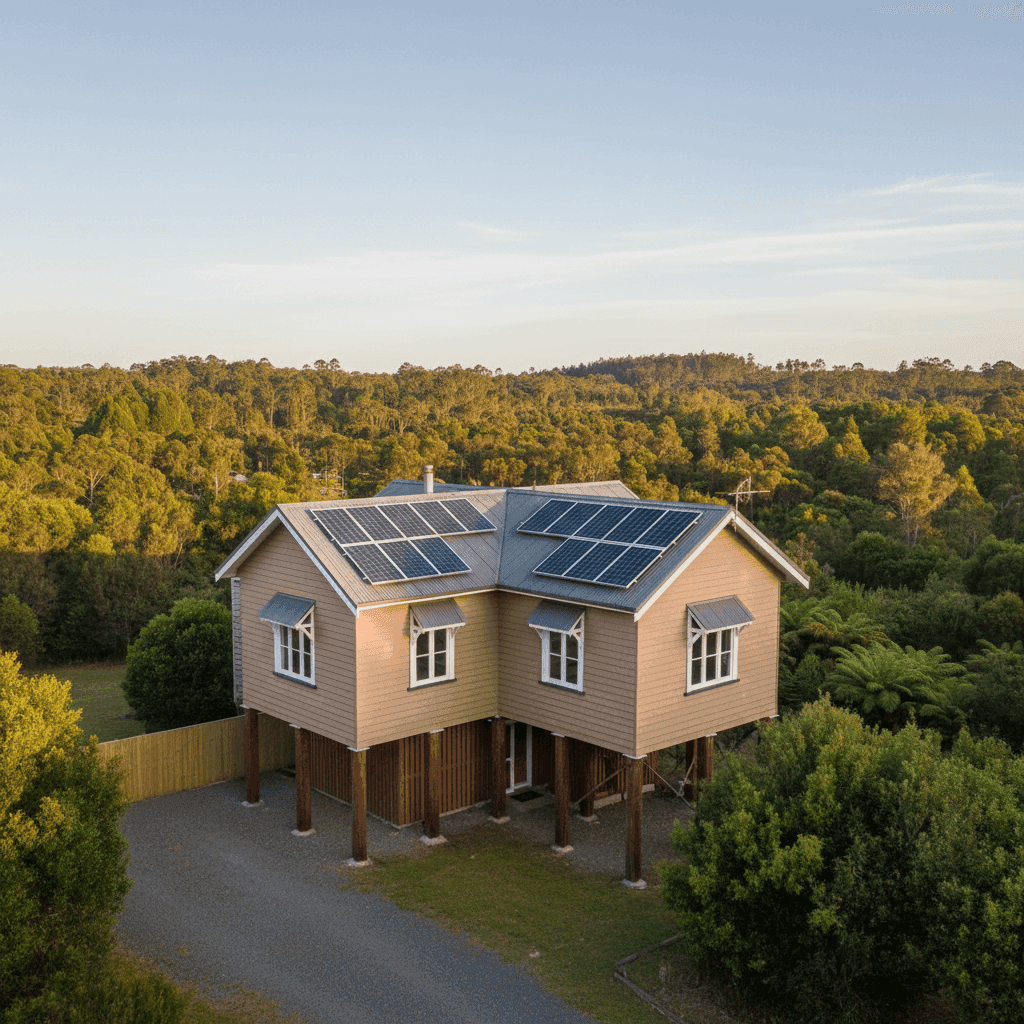
Nestled in the Meander Valley region of Tasmania's picturesque central highlands, Liffey (TAS 7301) is a quiet rural locality known for its lush farmland, cool climate, and relaxed pace of life. For owners of free standing homes in the area, understanding what drives home insurance costs — and whether a given quote represents fair value — is an important part of protecting one of your most significant assets.
In this article, we break down a real home and contents insurance quote for a 3-bedroom, 1-bathroom weatherboard home in Liffey, examining how the premium stacks up against local, state, and national benchmarks, and what homeowners in this part of Tasmania can do to keep costs in check.
---
Is This Quote Fair?
The quote in question comes in at $3,802 per year (or $364 per month) for combined home and contents cover, with a building sum insured of $622,000 and contents valued at $50,000. Both the building and contents excesses are set at $5,000.
Based on CoverClub's pricing data, this quote is rated Expensive — above average for the region. That's a meaningful finding worth unpacking.
At $3,802 annually, this premium sits 35% above the Tasmanian state average of $2,814 per year, and 64% above the state median of $2,326. Compared to the national average of $5,347/yr, it looks more moderate — but the national figure is heavily skewed by high-risk coastal and cyclone-prone regions, so it's not the most useful yardstick for a Tasmanian property.
The more telling comparison is at the local government level. The Meander Valley LGA average sits at just $2,039 per year, meaning this quote is nearly 87% higher than what other homeowners in the same council area are typically paying. That's a significant gap, and one that warrants a closer look at the property's specific characteristics.
---
How Liffey Compares
Here's a quick snapshot of how this premium compares across different geographic levels:
| Benchmark | Annual Premium |
|---|---|
| This Quote | $3,802 |
| Meander Valley LGA Average | $2,039 |
| TAS State Average | $2,814 |
| TAS State Median | $2,326 |
| National Average | $5,347 |
| National Median | $2,764 |
You can explore more detailed pricing data for the area on the Liffey suburb stats page, or browse broader Tasmanian home insurance trends to put these figures into context.
It's worth noting that no suburb-level comparison data was available for Liffey specifically, which is common for smaller rural localities with fewer insured properties in the dataset. The LGA-level data from Meander Valley provides the most relevant local benchmark.
---
Property Features That Affect Your Premium
Several characteristics of this particular property are likely contributing to a higher-than-average premium. Understanding these factors can help you have a more informed conversation with insurers.
Weatherboard Timber Construction
The external walls are weatherboard wood, a construction type that's common in older Tasmanian homes but is generally considered higher risk by insurers compared to brick or rendered masonry. Timber is more susceptible to fire, moisture damage, and pest ingress — all of which translate to elevated premiums.
Steel/Colorbond Roof
On the positive side, a Colorbond steel roof is generally viewed favourably by insurers. It's durable, low-maintenance, and performs well in harsh weather conditions. This may be partially offsetting the risk associated with the timber walls.
Stump Foundation and Elevated Position
The home sits on stumps and is elevated by less than 1 metre. While the elevation is modest, stump foundations in older homes can be a flag for insurers — particularly around structural integrity and the potential for subfloor moisture issues. That said, the sub-1m elevation means it doesn't attract the additional cyclone or flood-related loading that more significantly elevated homes sometimes do.
Age of Construction (1985)
Built in 1985, this home is now over 40 years old. Insurers often apply age-related loadings to older properties, reflecting the increased likelihood of wear-and-tear claims, outdated wiring, plumbing, or roofing materials.
Solar Panels
The presence of solar panels adds to the replacement cost of the building, which is reflected in the $622,000 sum insured. Solar systems need to be covered for storm damage, hail, and other events — a factor that can nudge premiums upward, though the impact is usually modest.
Ducted Climate Control
Ducted heating and cooling systems are a significant fixed asset and add to the overall insured value of the home. Like solar panels, these systems increase the cost of a full rebuild or reinstatement, contributing to the higher sum insured.
High Sum Insured
At $622,000 for the building, this is a substantial sum insured — especially for a 143 sqm home in a rural Tasmanian locality. It's worth verifying that this figure accurately reflects the cost to rebuild (not the market value) of the home. Overinsurance can result in unnecessarily high premiums, while underinsurance carries its own serious risks.
---
Tips for Homeowners in Liffey
If you're a homeowner in Liffey or the broader Meander Valley region, here are some practical steps to help ensure you're getting the right cover at a competitive price.
1. Review Your Sum Insured Carefully
The single biggest lever on your premium is the building sum insured. Use a professional building cost estimator or engage a quantity surveyor to confirm the accurate rebuild cost for your home. If $622,000 is higher than necessary, reducing it to a defensible figure could meaningfully lower your annual premium.
2. Compare Quotes from Multiple Insurers
The gap between this quote and the Meander Valley LGA average is substantial. Different insurers assess risk very differently for older weatherboard homes on stumps — meaning the range of quotes available to you could be wide. Comparing quotes through CoverClub is one of the easiest ways to see what's available in the market without spending hours on the phone.
3. Consider Your Excess Settings
Both the building and contents excesses are set at $5,000 — which is on the higher end. A higher excess generally lowers your premium, so this may already be working in your favour. If you're comfortable with that level of out-of-pocket cost in the event of a claim, maintaining a high excess is a reasonable strategy.
4. Maintain Your Property Proactively
For older weatherboard homes, regular maintenance is both a safety imperative and an insurance consideration. Keeping gutters clear, maintaining the roof, checking subfloor ventilation, and ensuring electrical systems are up to date can reduce your risk profile and may support a better premium at renewal time. Some insurers also reward demonstrated maintenance with more competitive pricing.
---
Ready to Compare?
If your current home insurance quote feels like it's on the expensive side, you don't have to accept it at face value. CoverClub makes it easy to compare home and contents insurance options across Australia — including for properties in rural Tasmania where pricing can vary significantly between providers.
Get a quote today at CoverClub and see whether there's a better deal waiting for your Liffey home.