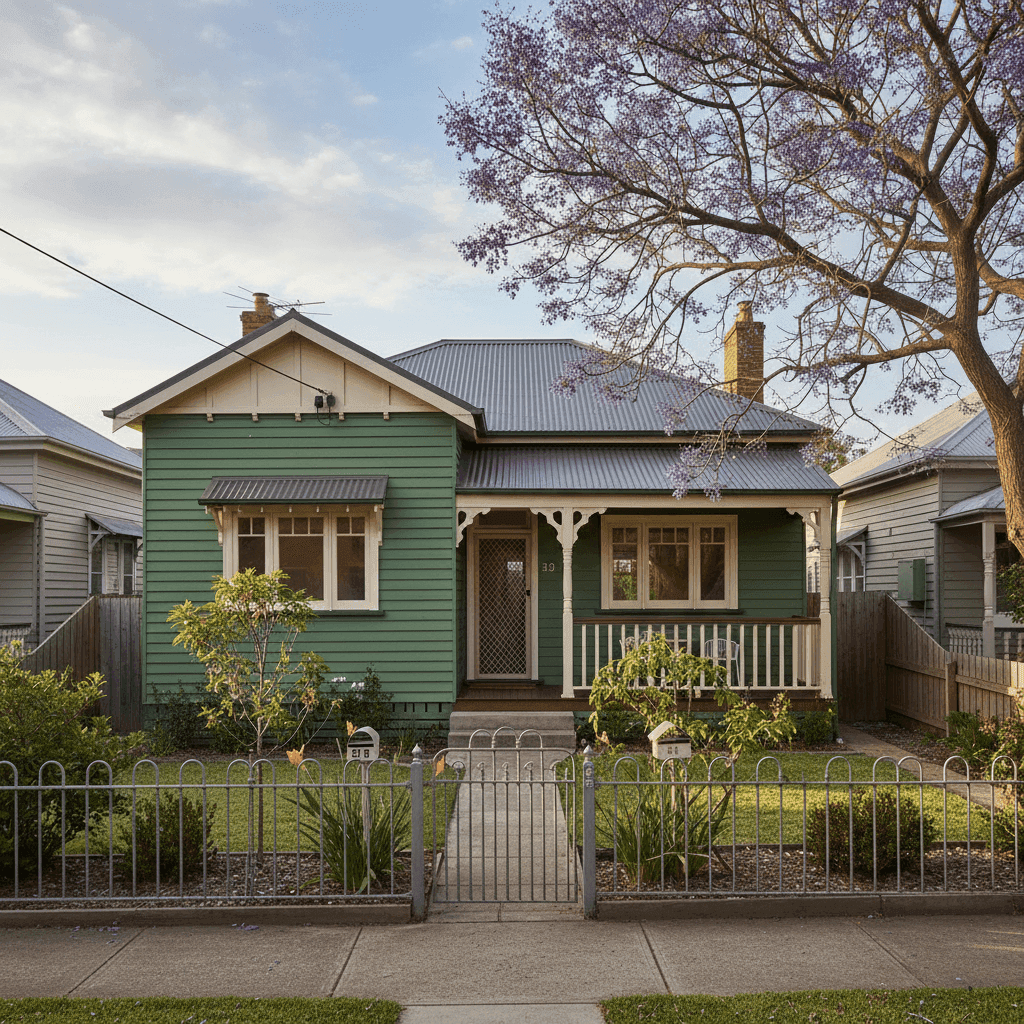
Lilyfield is one of Sydney's most characterful inner-west suburbs — a leafy pocket of Federation and post-war homes sitting just 6 kilometres from the CBD. It's also a suburb where home insurance costs can vary quite significantly, depending on your property's age, construction, and the level of cover you choose. In this article, we analyse a recent home and contents insurance quote for a 3-bedroom free standing home in Lilyfield (NSW 2040), compare it against local and national benchmarks, and share practical tips to help you get better value on your premium.
---
Is This Quote Fair?
The quote in question comes in at $3,065 per year (or $294/month) for combined home and contents cover, with a building sum insured of $1,000,000 and contents valued at $50,000. Both the building and contents excess are set at $2,000.
Our price rating for this quote is Expensive (Above Average) — and the data backs that up. The suburb average for Lilyfield sits at just $1,724/yr, and the median is even lower at $1,592/yr. That means this quote is nearly double the local median, which is a meaningful gap worth investigating before you simply accept the renewal or sign on the dotted line.
That said, context matters. A $1,000,000 building sum insured is on the higher end for a 186 sqm home, and above-average fittings quality will push rebuild costs — and therefore premiums — upward. The 1953 construction date also introduces age-related risk factors that insurers price carefully. So while the quote is expensive relative to local peers, it isn't entirely without explanation.
---
How Lilyfield Compares
To understand whether this premium makes sense, it helps to zoom out and look at the broader picture. Here's how Lilyfield stacks up against state and national figures:
| Benchmark | Average Premium | Median Premium |
|---|---|---|
| Lilyfield (NSW 2040) | $1,724/yr | $1,592/yr |
| Inner West LGA | $2,955/yr | — |
| NSW (State) | $9,528/yr | $3,770/yr |
| National | $5,347/yr | $2,764/yr |
(Based on [Lilyfield suburb data](https://coverclub.com.au/stats/NSW/2040/lilyfield), [NSW state data](https://coverclub.com.au/stats/NSW), and [national statistics](https://coverclub.com.au/stats/national) from CoverClub.)
A few things stand out here. First, Lilyfield's premiums are notably lower than both the NSW state average and the national average — a reflection of the suburb's relatively low natural hazard exposure compared to flood-prone or bushfire-adjacent regions of the state. Second, the Inner West LGA average of $2,955/yr is actually closer to this quote than the suburb-level figures, suggesting there's meaningful variation within the postcode itself. Third, the NSW state average of $9,528/yr is heavily skewed by high-risk regional areas, so the median of $3,770/yr is a more useful comparison point — and this quote sits just below that figure.
The bottom line: this quote is expensive for Lilyfield specifically, but it's not out of step with broader Inner West or NSW median pricing when you account for the property's characteristics.
---
Property Features That Affect Your Premium
Several features of this property have a direct bearing on what insurers charge. Here's a breakdown of the key factors at play:
Weatherboard Timber Walls
Weatherboard construction is one of the most common wall types in Sydney's inner west, particularly in homes built in the mid-twentieth century. While it's charming and period-appropriate, timber is considered a higher fire risk than brick veneer or double brick, and it can also be more susceptible to rot, pest damage, and storm impact. Insurers typically apply a loading to weatherboard homes compared to masonry alternatives.
Steel/Colorbond Roof
On the positive side, a Colorbond steel roof is generally viewed favourably by insurers. It's durable, low-maintenance, and performs well in storms and high-wind events. This may help offset some of the loading applied for the timber walls.
1953 Construction
Older homes carry inherent risk from ageing plumbing, wiring, and structural elements. A property built in 1953 is over 70 years old, and while many have been lovingly maintained or renovated, insurers still factor in the statistical likelihood of age-related claims — particularly for water damage and electrical faults.
Above-Average Fittings Quality
Premium kitchens, bathrooms, and finishes all increase the cost to rebuild or repair, and insurers adjust their pricing accordingly. Above-average fittings quality means a higher effective rebuild cost per square metre, which supports a higher sum insured and, in turn, a higher premium.
Ducted Climate Control
Ducted air conditioning systems are a significant fixed asset and can be expensive to repair or replace following storm, fire, or electrical damage. Their inclusion in the policy adds to the overall insured value of the home.
Slab Foundation & Timber/Laminate Flooring
A concrete slab foundation is generally considered stable and low-risk. Timber and laminate flooring, however, can be vulnerable to water ingress — a relevant consideration for any home in a suburb with ageing stormwater infrastructure.
---
Tips for Homeowners in Lilyfield
If you're looking to reduce your home insurance costs without sacrificing meaningful cover, here are four practical steps worth considering:
- Review your building sum insured. A $1,000,000 sum insured may be appropriate, but it's worth getting an independent building replacement cost estimate to confirm. Over-insuring drives up your premium without adding real protection. Tools like the Cordell Sum Sure calculator can help you arrive at a more precise figure.
- Increase your excess strategically. Both the building and contents excess on this quote are set at $2,000. If you have a solid emergency fund and rarely make small claims, opting for a higher excess (say, $2,500 or $3,000) can meaningfully reduce your annual premium — sometimes by 10–15%.
- Shop around at renewal time. Loyalty doesn't always pay in insurance. Insurers frequently offer their best rates to new customers, and the gap between your current premium and a competitive quote can be substantial. Use a comparison platform like CoverClub to benchmark your renewal offer before accepting it.
- Ask about bundling discounts and security upgrades. Some insurers offer discounts for homes with monitored alarm systems, deadbolts, or smoke detectors. If your Lilyfield home doesn't already have these features, the upfront cost may pay for itself in reduced premiums over time.
---
Compare Your Options with CoverClub
Whether you're reviewing an existing policy or shopping for cover on a new purchase, it pays to compare. CoverClub makes it easy to benchmark home and contents insurance quotes across multiple insurers in one place — so you can see exactly where your premium sits relative to your neighbours and the broader market. Get a quote today and find out if you're paying a fair price for your Lilyfield home.