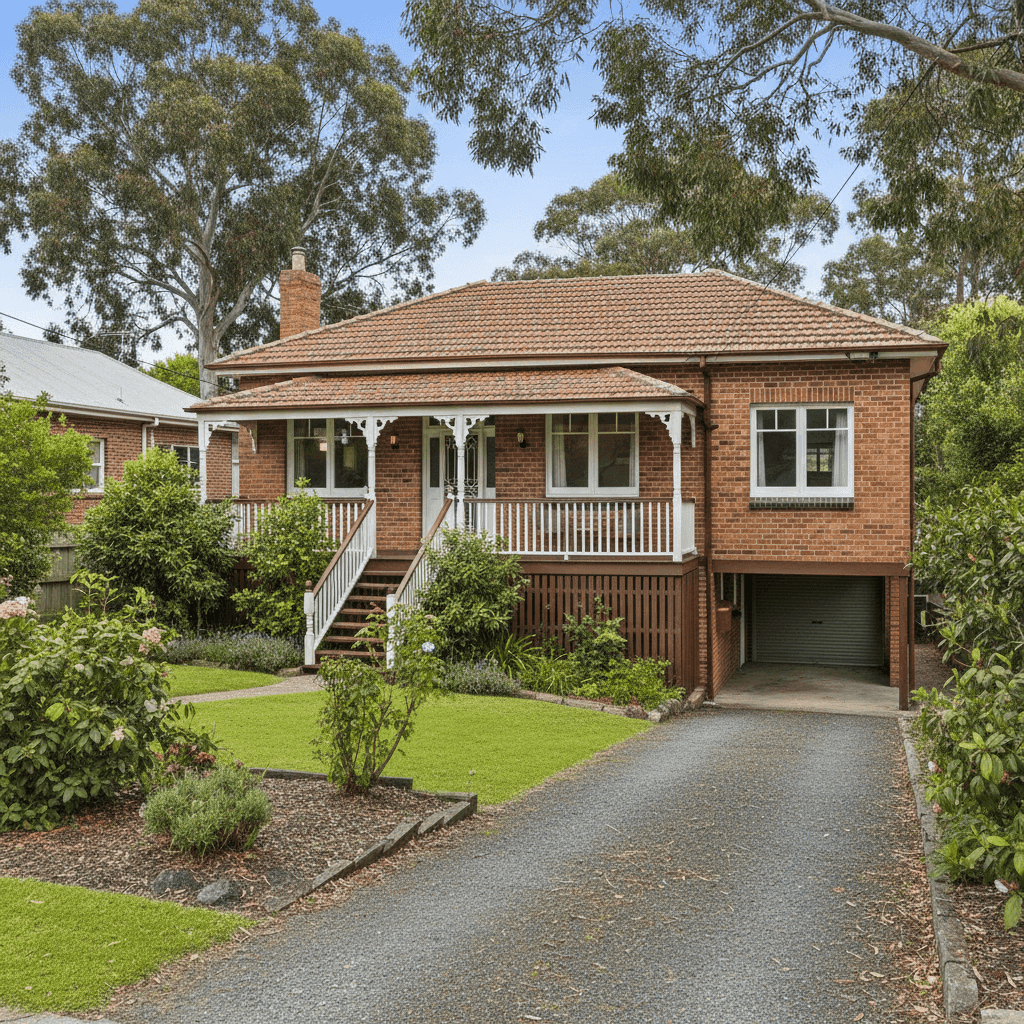
Lindisfarne is a leafy, waterside suburb on the eastern shore of the Derwent River, sitting just minutes from Hobart's CBD. It's a popular choice for families drawn to its quiet streets, harbour views, and solid housing stock — including plenty of well-built brick homes from the mid-to-late twentieth century. If you own a free standing home here, understanding what you should be paying for home and contents insurance is a smart first step to making sure you're not leaving money on the table.
This article breaks down a real insurance quote for a 4-bedroom, 3-bathroom free standing home in Lindisfarne, compares it against local, state, and national benchmarks, and offers practical guidance for homeowners in the area.
---
Is This Quote Fair?
The annual premium for this property came in at $1,859 per year (or $182/month), covering both building (sum insured: $781,500) and contents ($173,700), each with a $500 excess. CoverClub's pricing engine rates this quote as CHEAP — below average for the area.
That's a meaningful result. When a quote lands below the suburb average, it suggests the insurer has assessed the property's risk profile favourably — factoring in things like construction quality, location characteristics, and the specific features of the home. For a homeowner, a below-average premium on a well-covered policy is exactly the outcome you're hoping for.
That said, "cheap" doesn't always mean "best." It's worth confirming that the policy terms, inclusions, and claim limits actually meet your needs before locking anything in. A lower premium with significant coverage gaps can cost far more in the long run.
---
How Lindisfarne Compares
To put this quote in context, here's how it stacks up against the broader market:
| Benchmark | Premium |
|---|---|
| This quote | $1,859/yr |
| Lindisfarne suburb average | $2,963/yr |
| Lindisfarne suburb median | $2,958/yr |
| Lindisfarne 25th percentile | $2,361/yr |
| Lindisfarne 75th percentile | $3,847/yr |
| Clarence LGA average | $2,049/yr |
| Tasmania state average | $2,814/yr |
| Tasmania state median | $2,326/yr |
| National average | $5,347/yr |
| National median | $2,764/yr |
This quote sits $1,104 below the Lindisfarne suburb average and even comes in beneath the suburb's 25th percentile — meaning it's cheaper than at least 75% of quotes gathered in the area. It also tracks well below both the Tasmanian state average of $2,814 and the national average of $5,347.
It's worth noting that the national average is significantly elevated by high-risk regions — particularly cyclone-prone areas of Queensland and the Northern Territory — so comparing to the national median of $2,764 is often more meaningful for a property like this one in southern Tasmania. Even against that median, this quote comes in around $900 cheaper.
You can explore more local pricing data on the Lindisfarne suburb stats page.
---
Property Features That Affect Your Premium
Several characteristics of this home likely contribute to its favourable pricing:
Brick Veneer Construction
Brick veneer walls are generally viewed positively by insurers. While not as robust as full double-brick, brick veneer offers solid fire resistance and weather durability — particularly relevant in Tasmania's cooler, wetter climate. It tends to attract lower premiums than timber-clad or fibre cement alternatives.
Tiled Roof
Terracotta or concrete tile roofs are a known quantity for insurers — durable, fire-resistant, and relatively straightforward to repair or replace. A tiled roof on a 1981-built home may need monitoring for cracked or slipped tiles over time, but it's generally a premium-friendly feature.
Elevated on Stumps
The home is elevated by at least one metre on a stump foundation. This is a double-edged feature from an insurance perspective. On the positive side, elevation can significantly reduce flood and storm-water inundation risk — a meaningful consideration given Lindisfarne's proximity to the Derwent River. On the other hand, elevated homes can be more vulnerable to wind uplift and may carry slightly higher repair costs due to the subfloor structure. On balance, the flood mitigation benefit appears to have worked in this property's favour.
1981 Construction
Homes built in the early 1980s sit in an interesting middle ground. They're old enough to potentially have ageing plumbing, wiring, or roofing components, but they predate some of the more problematic building materials used in later decades (such as certain types of engineered timber). Insurers generally price these homes based on rebuild cost rather than age, so the $781,500 building sum insured is the critical figure to keep accurate.
Ducted Climate Control
The presence of ducted climate control adds to the replacement value of the home's fixtures and fittings, and is factored into the contents and building sums insured. It's a feature worth confirming is adequately covered under both building and contents sections of the policy.
No Pool, No Solar
The absence of a pool removes a liability risk that some insurers price into premiums. Similarly, no solar panels means there's no need to consider whether the policy covers panel damage or inverter failure — simplifying the coverage picture.
---
Tips for Homeowners in Lindisfarne
1. Review Your Building Sum Insured Regularly
Construction costs in Tasmania have risen steadily in recent years. A sum insured of $781,500 for a 235 sqm home represents roughly $3,325 per square metre — which is within a reasonable range for a full rebuild in the Hobart area, but worth validating against a current building cost estimate. Underinsurance is one of the most common and costly mistakes homeowners make.
2. Check Your Flood and Storm Coverage
Despite its elevated foundation, this property is close to the Derwent River. Make sure your policy explicitly covers riverine flooding, not just storm-water damage — these are often treated differently by insurers. Review the Product Disclosure Statement (PDS) carefully.
3. Don't Set and Forget
Insurance markets shift. The fact that this quote came in well below the suburb average is great, but that gap can close at renewal if your insurer adjusts its pricing. Set a reminder to compare quotes annually — even if you're happy with your current provider.
4. Keep Your Contents Value Current
$173,700 in contents cover is a reasonable figure, but it's easy for this to drift out of date as you accumulate furniture, appliances, and personal belongings. A quick home inventory every year or two helps ensure you're not underinsured on contents — which can be just as financially damaging as underinsuring the building itself.
---
Find the Right Cover for Your Home
Whether you're reviewing an existing policy or shopping for the first time, comparing quotes side by side is the most reliable way to find genuine value. CoverClub makes it easy to see how your premium stacks up against real data from your suburb and state.
Get a home insurance quote today at CoverClub and find out if you're paying a fair price for your Lindisfarne home.