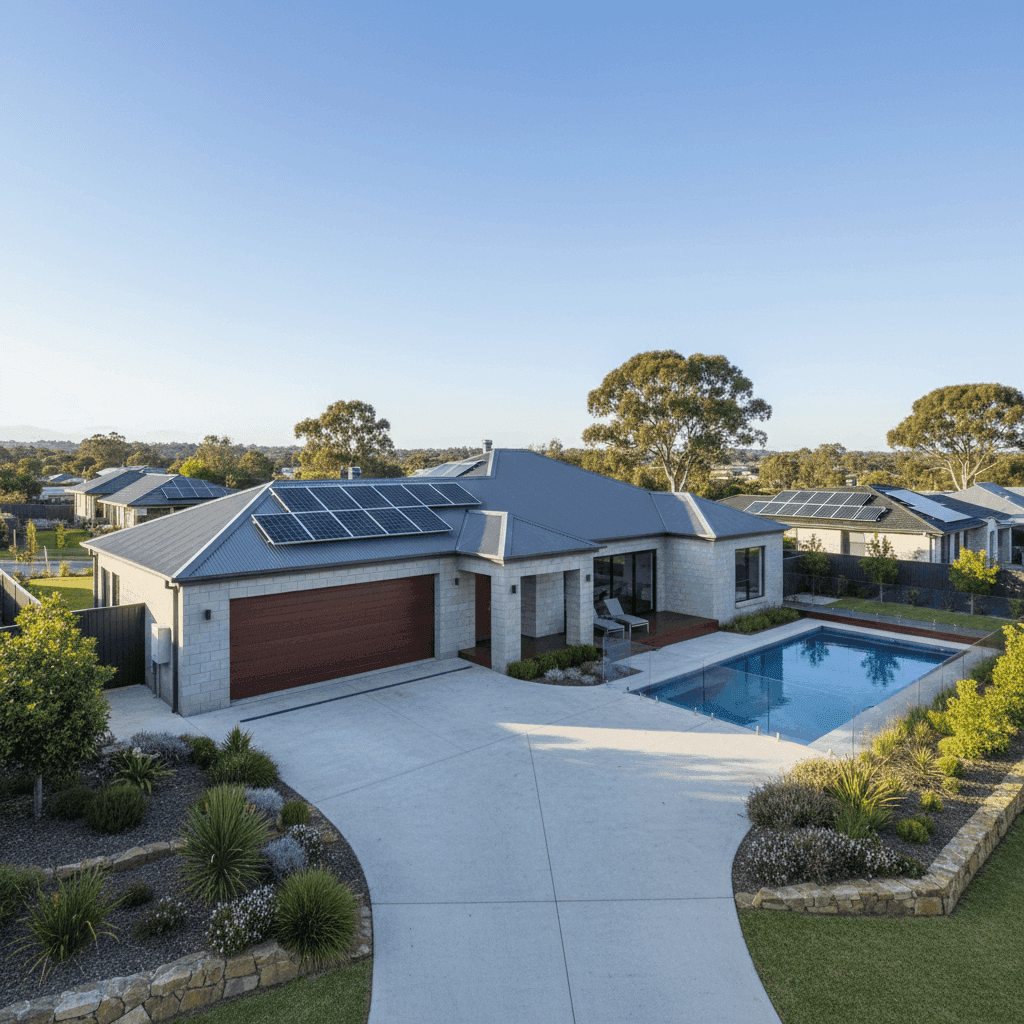
If you own a free standing home in Lindisfarne, TAS 7015, you already know the appeal — a leafy, riverside suburb on the eastern shore of the Derwent, just minutes from Hobart's CBD. But knowing what you should be paying for home and contents insurance is a different matter entirely. This article breaks down a real quote for a five-bedroom property in the area, benchmarks it against local, state and national data, and offers practical tips to help you get better value on your cover.
---
Is This Quote Fair?
The quote in question comes in at $5,296 per year (or $501 per month) for combined home and contents insurance, covering a building sum insured of $1,692,000 and contents valued at $232,000. Both the building and contents excess are set at $1,000.
Our price rating for this quote is Expensive (Above Average) — and the numbers back that up.
The suburb average for Lindisfarne sits at just $2,963 per year, with a median of $2,958. That means this quote is running at roughly 79% above the local average — a significant gap that warrants a closer look.
To be fair, context matters. This is a large, well-appointed property with a high building sum insured, a pool, solar panels, and ducted climate control — all features that push premiums upward. But even accounting for those extras, the figure is notably elevated compared to what most Lindisfarne homeowners are paying.
---
How Lindisfarne Compares
To put the numbers in perspective, here's how the Lindisfarne suburb average stacks up against broader benchmarks:
| Benchmark | Average Premium |
|---|---|
| Lindisfarne (suburb average) | $2,963/yr |
| Lindisfarne (suburb median) | $2,958/yr |
| Lindisfarne (25th percentile) | $2,361/yr |
| Lindisfarne (75th percentile) | $3,847/yr |
| Clarence LGA average | $2,049/yr |
| Tasmania state average | $2,814/yr |
| Tasmania state median | $2,326/yr |
| National average | $5,347/yr |
| National median | $2,764/yr |
A few things stand out here. First, Lindisfarne's suburb average is comfortably above the Clarence LGA average of $2,049, suggesting that homes in this particular pocket of Clarence tend to attract higher premiums than the broader local government area — likely a reflection of higher property values near the waterfront.
Second, and perhaps surprisingly, this quote actually sits below the national average of $5,347 per year. That's a useful reminder that Australia's home insurance market is heavily influenced by high-risk regions (think cyclone-prone Queensland and flood-affected parts of NSW), which pull the national figure up considerably. Tasmania, by contrast, is generally considered a lower-risk state for natural hazards — which is reflected in the comparatively modest state average of $2,814.
The bottom line: this quote is expensive by Lindisfarne and Tasmanian standards, but not out of step with what large, high-value homes attract nationally.
---
Property Features That Affect Your Premium
Several characteristics of this property have a direct bearing on the premium quoted. Understanding them can help you assess whether the price is justified — or whether there's room to negotiate.
Building size and sum insured At 305 sqm and a building sum insured of $1,692,000, this is a substantial home. Larger buildings cost more to rebuild, and insurers price accordingly. The sum insured is the single biggest driver of building premium, so it's worth making sure your figure is accurate — not over-inflated, but certainly not underinsured either.
Construction quality Concrete external walls and a steel/Colorbond roof are generally viewed favourably by insurers. Concrete is fire-resistant and durable, while Colorbond roofing is low-maintenance and performs well in adverse weather. These materials can actually reduce risk in the eyes of underwriters compared to, say, timber cladding or terracotta tiles. The slab foundation is similarly standard and carries no particular premium loading.
Above-average fittings The above-average fittings quality rating is a meaningful factor. Kitchens with stone benchtops, quality appliances, and premium fixtures cost significantly more to replace than standard fitouts — and insurers account for this in their pricing.
Pool, solar panels, and ducted climate control Each of these adds to the replacement cost of the home and, in some cases, introduces additional liability considerations (particularly the pool). Solar panel systems can be expensive to replace and may not always be adequately covered under a standard policy, so it's worth confirming your insurer explicitly includes them.
Contents value At $232,000, the contents sum insured is on the higher end — reflecting what you'd expect in a well-furnished five-bedroom home with above-average fittings. Make sure your contents figure is reviewed regularly, as it's easy to underestimate the cumulative value of furniture, electronics, clothing, and personal items.
---
Tips for Homeowners in Lindisfarne
1. Shop around — seriously The gap between this quote and the suburb average is large enough that comparing offers from multiple insurers could yield meaningful savings. Use a comparison platform like CoverClub to get quotes side by side without having to ring around individually.
2. Review your sum insured annually Building costs have risen sharply in recent years, meaning many homeowners are now either over- or under-insured. An independent building valuation every few years can help you set a more accurate sum insured — potentially reducing your premium if it's currently set too high, while protecting you from a shortfall at claim time.
3. Ask about bundling discounts Many insurers offer a discount when you combine home and contents cover under a single policy. If you're currently holding separate policies, consolidating them could reduce your overall outlay.
4. Check your excess settings A $1,000 excess is fairly standard, but increasing it — say, to $2,500 — can noticeably reduce your annual premium. This is worth considering if you're financially comfortable absorbing a larger out-of-pocket cost in the event of a claim.
---
Ready to Compare?
Whether you're renewing your policy or shopping for the first time, it pays to see what the market has to offer. Head to CoverClub to compare home and contents insurance quotes for your Lindisfarne property — and make sure you're not paying more than you need to.