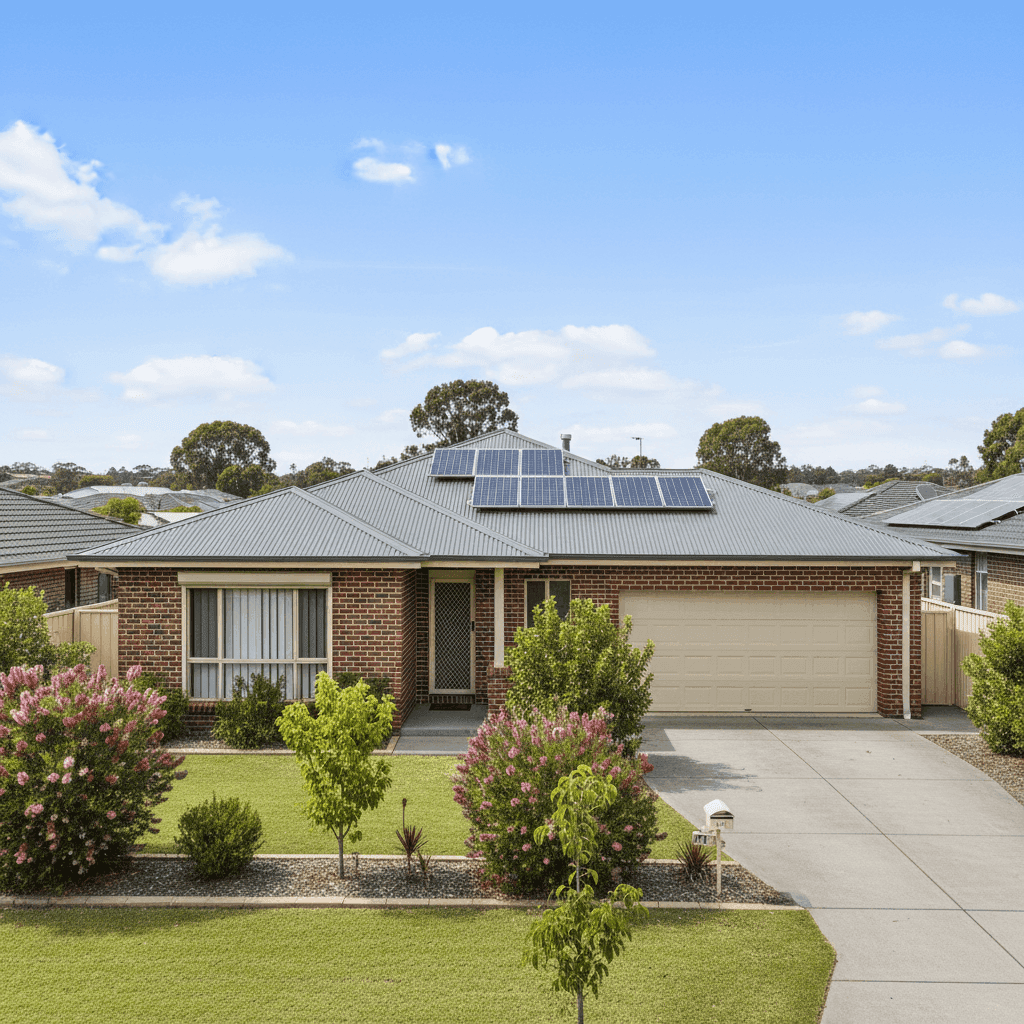
Lisarow is a quiet, established suburb on the Central Coast of New South Wales — and like many owner-occupied communities in the region, home insurance is a significant household expense. This article breaks down a real building insurance quote for a five-bedroom free standing home in Lisarow (postcode 2250), examines how it compares to local, state, and national benchmarks, and offers practical advice for homeowners looking to get the best value from their cover.
---
Is This Quote Fair?
The quote in question comes in at $4,089 per year (or $428 per month) for building-only cover, with a sum insured of $800,000 and a building excess of $4,000. CoverClub's pricing engine rates this quote as Fair — Around Average.
That verdict holds up under scrutiny. The premium sits just above the suburb's 25th percentile ($4,005/yr) and comfortably below the suburb median of $4,336/yr and the suburb average of $5,369/yr. In other words, this homeowner is paying less than the majority of comparable properties in Lisarow — which is a reasonably positive outcome, particularly for a larger home with a high sum insured.
It's worth noting that the $4,000 building excess is on the higher side. Choosing a higher excess is a common strategy to reduce the annual premium, so part of what makes this quote look competitive is that trade-off. If you lowered the excess, you'd likely see the premium rise.
---
How Lisarow Compares
Context is everything when evaluating an insurance premium. Here's how this quote sits across different comparison points:
| Benchmark | Premium |
|---|---|
| This quote | $4,089/yr |
| Lisarow suburb average | $5,369/yr |
| Lisarow suburb median | $4,336/yr |
| NSW state average | $9,528/yr |
| NSW state median | $3,770/yr |
| National average | $5,347/yr |
| National median | $2,764/yr |
The NSW state average of $9,528/yr looks alarming at first glance, but it's heavily skewed by high-risk areas — flood-prone regions, bushfire zones, and densely insured urban centres. The state median of $3,770/yr is a more grounded reference point, and this quote sits just $319 above it.
Compared to the national average of $5,347/yr, this quote is meaningfully cheaper — about 24% below. And relative to the NSW state-wide figures, Lisarow emerges as a relatively affordable suburb for home insurance, which reflects its stable geography and lower exposure to extreme weather events compared to parts of inland NSW or the Northern Rivers.
You can explore the full breakdown of premiums in the area through CoverClub's Lisarow suburb stats page.
It's also worth noting that the LGA average for Hawkesbury sits at $10,350/yr — significantly higher than what Lisarow homeowners are typically paying. This is a reminder that LGA-level data can mask meaningful variation at the suburb level; Lisarow's risk profile is quite different from flood-affected parts of the broader Central Coast and Hunter regions.
---
Property Features That Affect Your Premium
Several characteristics of this property influence how insurers price the risk:
Brick veneer construction is generally viewed favourably by insurers. It offers solid fire resistance compared to timber-framed weatherboard homes, which can translate to lower premiums. Combined with a steel/Colorbond roof, this home has a durable, low-maintenance exterior that performs well in both bushfire and storm assessments.
Slab foundation is standard for homes built in the mid-1990s in NSW and carries no particular premium penalty. Homes on slab tend to be straightforward for insurers to assess, with no subfloor space that could be susceptible to moisture or pest damage.
Timber and laminate flooring is a contents consideration more than a building one, but some insurers factor internal finishes into their replacement cost modelling — particularly for a home of this size.
At 345 square metres, this is a large home, and the $800,000 sum insured reflects that. Underinsurance is a genuine risk for larger properties; if rebuild costs have risen since the policy was last reviewed (and construction costs have increased substantially across Australia in recent years), it's worth revisiting whether $800,000 is still adequate.
Solar panels are present on this property. Not all standard building policies automatically cover solar systems — some treat them as a separate item or exclude damage from specific causes. It's worth confirming with your insurer that the panels are explicitly included in your building cover and that the sum insured accounts for their replacement value.
The property has no pool and no ducted climate control, both of which can add complexity (and cost) to a policy. Their absence keeps things straightforward.
---
Tips for Homeowners in Lisarow
1. Review your sum insured annually Construction costs have risen sharply across NSW over the past few years. A sum insured set even two or three years ago may no longer reflect the true cost to rebuild. Use a building cost calculator or ask your insurer to reassess — underinsurance can leave you significantly out of pocket after a major claim.
2. Confirm solar panel coverage If your policy doesn't explicitly list solar panels as a covered item, request an endorsement or ask your insurer to clarify. Panel replacement costs can be substantial, and this is an easy gap to overlook.
3. Weigh up your excess carefully The $4,000 excess on this policy is high. While it reduces the annual premium, it also means you'd need to absorb a significant cost before your insurer steps in. Consider whether a mid-range excess — say $1,500 to $2,500 — might offer a better balance between premium savings and financial protection.
4. Compare quotes before renewal Insurance loyalty rarely pays. Insurers frequently offer their best rates to new customers, and the gap between what you're paying and what's available elsewhere can be surprisingly large. Even if your current quote is rated "Fair," running a fresh comparison at renewal could reveal better value — particularly as your property ages and risk profiles shift.
---
Ready to Compare?
Whether you're reviewing your current policy or shopping for the first time, comparing quotes is the single most effective way to ensure you're not overpaying. Get a home insurance quote through CoverClub and see how your premium stacks up against real market data — in minutes, with no obligation.