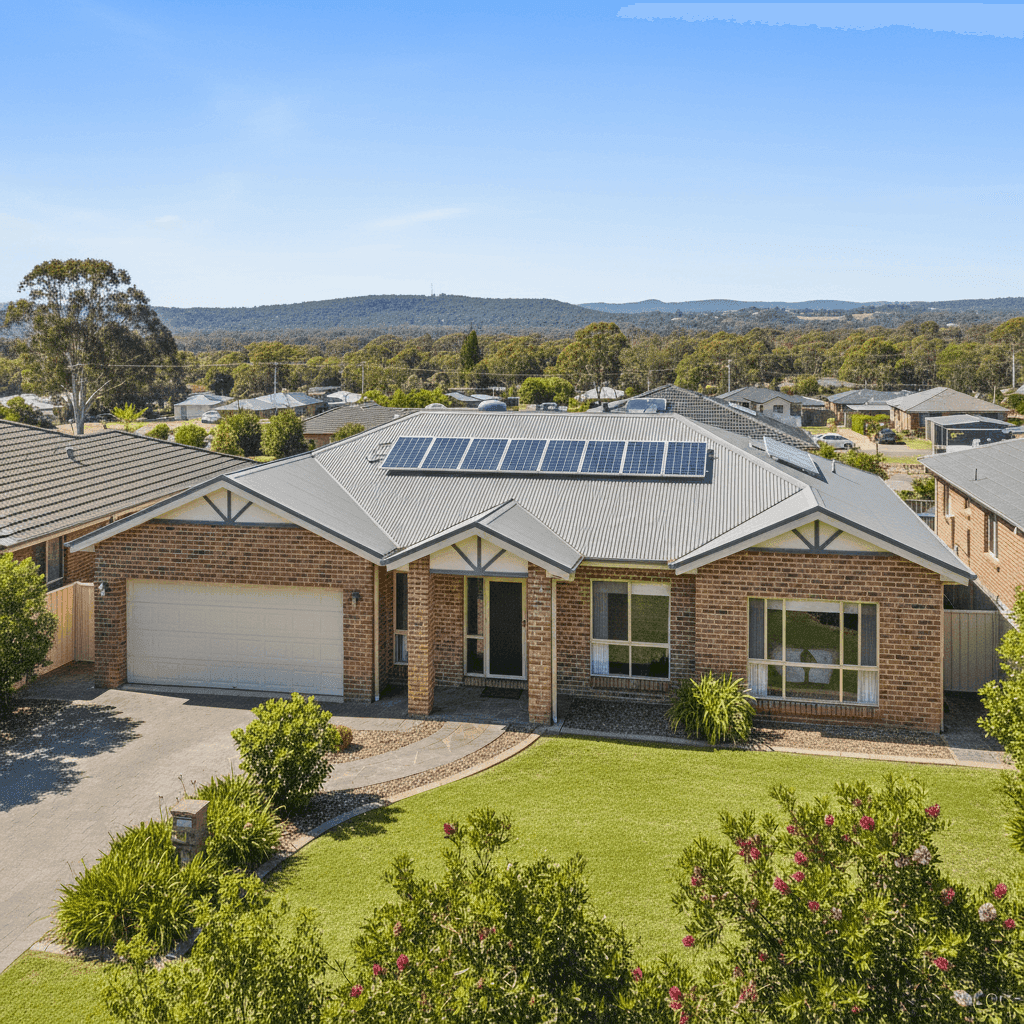
Lisarow is a quiet residential suburb on the Central Coast of New South Wales, known for its leafy streets, family-friendly atmosphere, and mix of established homes. If you own a free standing home here, understanding what you should expect to pay for home and contents insurance — and whether the quote in front of you is competitive — can save you hundreds of dollars a year.
This article breaks down a real insurance quote for a five-bedroom, brick veneer home in Lisarow, comparing it against local, state, and national benchmarks to help you make an informed decision.
---
Is This Quote Fair?
The quote under review comes in at $3,928 per year (or $394/month) for combined home and contents cover, with a building sum insured of $802,000 and contents valued at $50,000. The building excess is set at $4,000, while the contents excess sits at $1,000.
Our price rating for this quote is Expensive — above average for the Lisarow area.
To put that in context: the suburb average premium sits at $2,912 per year, and the median is $2,989. This quote lands well above the 75th percentile for the suburb ($3,464), meaning it's pricier than at least three-quarters of comparable quotes we've seen in the area. That's a meaningful gap — roughly $1,016 more per year than the local average.
That said, it's worth noting that the building sum insured of $802,000 is substantial for a five-bedroom home. Larger insured values naturally push premiums higher, and this is likely one of the key drivers of the above-average cost. Still, even accounting for this, there may be room to find a more competitive rate by shopping around.
---
How Lisarow Compares
When you zoom out beyond the suburb, the picture becomes a little more nuanced. Here's how this quote stacks up across different benchmarks:
| Benchmark | Average Premium | Median Premium |
|---|---|---|
| Lisarow (NSW 2250) | $2,912/yr | $2,989/yr |
| NSW State | $3,801/yr | $3,410/yr |
| National | $2,965/yr | $2,716/yr |
Interestingly, this quote of $3,928 is only slightly above the NSW state average of $3,801 — suggesting that while it's expensive for Lisarow specifically, it's not wildly out of step with broader New South Wales pricing. NSW homeowners generally pay more than the national average, reflecting higher property values, greater flood and storm risk in parts of the state, and elevated rebuild costs in coastal and peri-urban areas.
One figure that stands out is the LGA (Local Government Area) average of $10,350 per year — a number that reflects the Hawkesbury region's significant flood exposure. Lisarow itself is not in the Hawkesbury LGA, so this figure isn't directly applicable, but it illustrates just how dramatically risk factors can influence premiums across NSW.
You can explore Lisarow suburb insurance stats, NSW state-wide data, and national insurance benchmarks on CoverClub for a deeper look at how your area compares.
---
Property Features That Affect Your Premium
Every home is different, and insurers assess a wide range of property characteristics when calculating your premium. Here's how the features of this particular home are likely influencing the quote:
Brick Veneer Walls & Colorbond Roof
Brick veneer construction is generally viewed favourably by insurers — it's durable, fire-resistant, and widely used across Australian suburbs. Combined with a steel Colorbond roof, this home has a solid, low-maintenance profile. Colorbond roofing is highly regarded for its longevity and resistance to corrosion, which can work in your favour at renewal time.
Slab Foundation
A concrete slab foundation is standard for homes of this era and is generally considered a neutral-to-positive risk factor. Slabs are less susceptible to subsidence issues than some other foundation types, though they can be more complex (and costly) to repair if problems do arise.
Timber & Laminate Flooring
Timber and laminate floors are a common feature in Australian homes and don't typically carry a significant premium loading. However, they can be more vulnerable to water damage than tiles, which is worth keeping in mind when reviewing your policy's water damage provisions.
Solar Panels
This property has solar panels installed. While solar is a great investment for energy savings, it does add to the replacement value of your home. Some insurers include solar panels under building cover automatically; others may require a separate endorsement. It's worth confirming exactly how your policy handles solar panel damage — particularly from hail or storm events, which are not uncommon on the Central Coast.
Home Size & Age
At 345 sqm and built in 1995, this is a generously sized home that's now around 30 years old. Larger homes cost more to rebuild, which directly influences the building sum insured and, in turn, the premium. Homes from the mid-1990s are generally well-built but may have components — roofing, plumbing, electrical — approaching the end of their serviceable life, which some insurers factor into their risk assessment.
---
Tips for Homeowners in Lisarow
If you're looking to get better value on your home and contents insurance, here are four practical steps worth considering:
- Review your building sum insured carefully. The $802,000 sum insured in this quote is a significant figure. Make sure it reflects the actual cost to rebuild your home (not its market value), and consider getting a professional building valuation to avoid over- or under-insuring.
- Adjust your excess strategically. A $4,000 building excess is on the higher side. While a higher excess lowers your premium, it also means a larger out-of-pocket cost when you claim. Review whether this balance makes sense for your financial situation — sometimes a modest reduction in excess is worth the small premium increase.
- Confirm solar panel coverage. With solar panels on the roof, double-check that your policy explicitly covers them for storm, hail, and accidental damage. This is an easy detail to overlook but can be costly if panels are damaged and not covered.
- Shop around at renewal. Given this quote sits above the suburb average, it's well worth comparing alternatives before renewing. Even a 15–20% saving would put over $500 back in your pocket annually. Use a comparison tool to see what other insurers are offering for a home with your specific features.
---
Ready to Compare?
Whether you're reviewing an existing policy or shopping for cover for the first time, comparing quotes is the single most effective way to make sure you're not overpaying. Get a home insurance quote at CoverClub and see how your premium stacks up against the market — it only takes a few minutes.