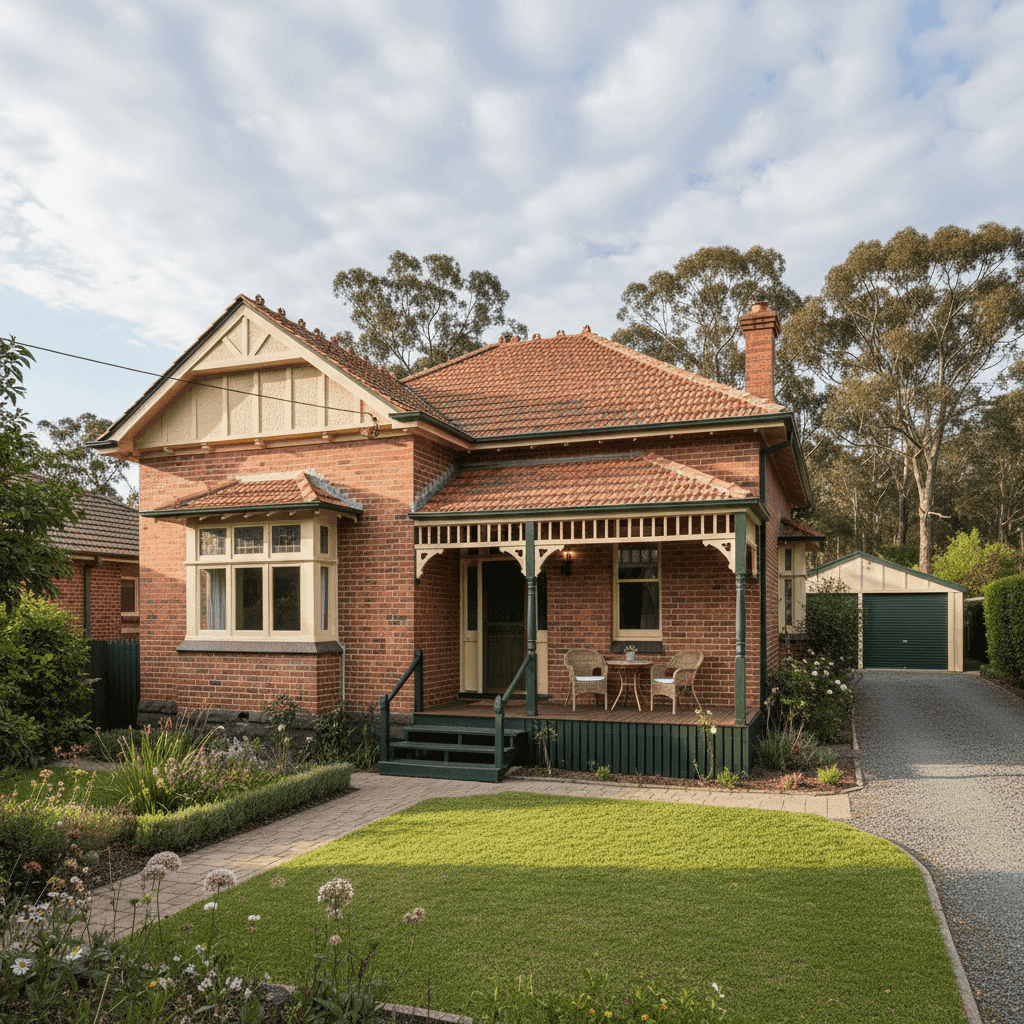
If you own a free standing home in Lithgow, NSW 2790, you already know the area offers a unique blend of Blue Mountains character, heritage architecture, and a relaxed regional lifestyle. What you might not know is how much you should actually be paying to insure it. This article breaks down a real home and contents insurance quote for a 3-bedroom property in Lithgow, compares it against local, state, and national benchmarks, and offers practical tips to help you get the best value cover.
---
Is This Quote Fair?
The quote in question comes in at $1,236 per year (or $126/month) for combined home and contents cover, with a building sum insured of $753,000 and contents valued at $60,000. The building excess sits at $3,000, and the contents excess at $1,000.
Our price rating for this quote is CHEAP — below average for the Lithgow area. That's a meaningful finding. With a suburb average of $4,507/year and a suburb median of $3,520/year, this quote is coming in at roughly 65% below the local median. Even against the suburb's 25th percentile — meaning cheaper than 75% of quotes — of $2,784/year, this policy is still significantly more affordable.
In short: if you received this quote, you're looking at a genuinely competitive price for the coverage on offer. That said, it's always worth understanding why a quote is cheap before assuming it's the right policy — excess levels, inclusions, and insurer reputation all matter.
---
How Lithgow Compares
To put this quote into proper context, it helps to zoom out and look at the broader pricing landscape. You can explore full pricing data on the Lithgow suburb stats page, the NSW state stats page, and national insurance stats.
| Benchmark | Premium |
|---|---|
| This Quote | $1,236/yr |
| Lithgow Suburb Average | $4,507/yr |
| Lithgow Suburb Median | $3,520/yr |
| Lithgow 25th Percentile | $2,784/yr |
| LGA (Blue Mountains) Average | $4,220/yr |
| NSW State Average | $9,528/yr |
| NSW State Median | $3,770/yr |
| National Average | $5,347/yr |
| National Median | $2,764/yr |
A few things stand out here. The NSW state average of $9,528/year is dramatically higher than the state median of $3,770/year — a sign that a relatively small number of very high-value or high-risk properties are pulling the average upward significantly. This is common in NSW, where coastal and bushfire-prone properties can attract eye-watering premiums.
Lithgow's own suburb average ($4,507/year) sits above the state median but well below the state average, which is broadly consistent with a regional inland location that carries moderate rather than extreme risk. The LGA-level average for the Blue Mountains ($4,220/year) closely mirrors the suburb figure, suggesting Lithgow is fairly representative of the broader region.
Against the national median of $2,764/year, this quote at $1,236/year is still comfortably below — making it cheap by any reasonable measure.
---
Property Features That Affect Your Premium
Every home is different, and insurers weigh up a range of property characteristics when calculating your premium. Here's how the features of this particular Lithgow home are likely influencing its price:
Double Brick Construction Double brick is generally viewed favourably by insurers. It's durable, fire-resistant, and less susceptible to storm damage than timber-framed or clad alternatives. This construction type likely contributes to a lower base premium.
Tiled Roof Terracotta or concrete tiles are considered a low-risk roofing material compared to older materials like fibrous cement or corrugated iron. They're resilient in most weather conditions and have a long lifespan, both of which can work in your favour at premium time.
1924 Build Year Older homes can be a double-edged sword for insurers. On one hand, heritage construction quality (like double brick) can be robust. On the other, older homes may have ageing plumbing, electrical systems, or foundations that increase the likelihood of a claim. Insurers may factor this in, though the impact varies significantly between providers.
Stump Foundation This home sits on stumps and is elevated by less than one metre. Stump foundations are common in older Australian homes and can be advantageous in areas prone to moisture or minor flooding. The modest elevation here is unlikely to attract a significant flood premium loading, but it does offer some practical protection.
Ducted Climate Control The presence of ducted climate control is a notable inclusion. This system adds meaningful replacement value to the home and is factored into the building sum insured. It also represents a potential claim risk (mechanical breakdown, storm damage), though this is typically a minor factor in overall premium calculation.
No Pool, No Solar Panels The absence of a swimming pool removes a liability and maintenance risk that some insurers price into their premiums. Similarly, no solar panels means there's no additional replacement cost or electrical risk loading applied.
Standard Fittings With standard-quality fittings throughout, the rebuild cost estimate is more straightforward and less likely to be underestimated. High-end finishes (stone benchtops, custom joinery, etc.) can significantly inflate rebuild costs — and premiums — so standard fittings help keep things predictable.
---
Tips for Homeowners in Lithgow
1. Review your sum insured regularly At $753,000, the building sum insured needs to genuinely reflect the cost to rebuild your home — not its market value. Construction costs have risen sharply in regional NSW over recent years. Use an online building calculator or speak to a quantity surveyor to make sure you're not underinsured.
2. Understand your excess trade-off This policy carries a $3,000 building excess, which is on the higher end. A higher excess typically lowers your premium, but it means more out-of-pocket cost if you do need to make a claim. Make sure the excess is something you could comfortably cover if needed.
3. Consider bushfire and storm risk in your area Lithgow sits in a region that can be affected by bushfire and severe storms. Check whether your policy explicitly covers bushfire damage and review any exclusions around storm or flood events. The Blue Mountains LGA has experienced significant fire events historically, so this is not a risk to overlook.
4. Compare quotes at renewal time Even a cheap quote can become less competitive over time as insurers adjust their pricing models. Make a habit of comparing quotes annually — loyalty doesn't always pay in home insurance, and the market can shift considerably from year to year.
---
Ready to Compare?
Whether this quote is your current policy or one you're considering, it's always smart to see what else is available. At CoverClub, you can compare home and contents insurance quotes for your Lithgow property in minutes — and make sure you're getting genuine value, not just a low price.