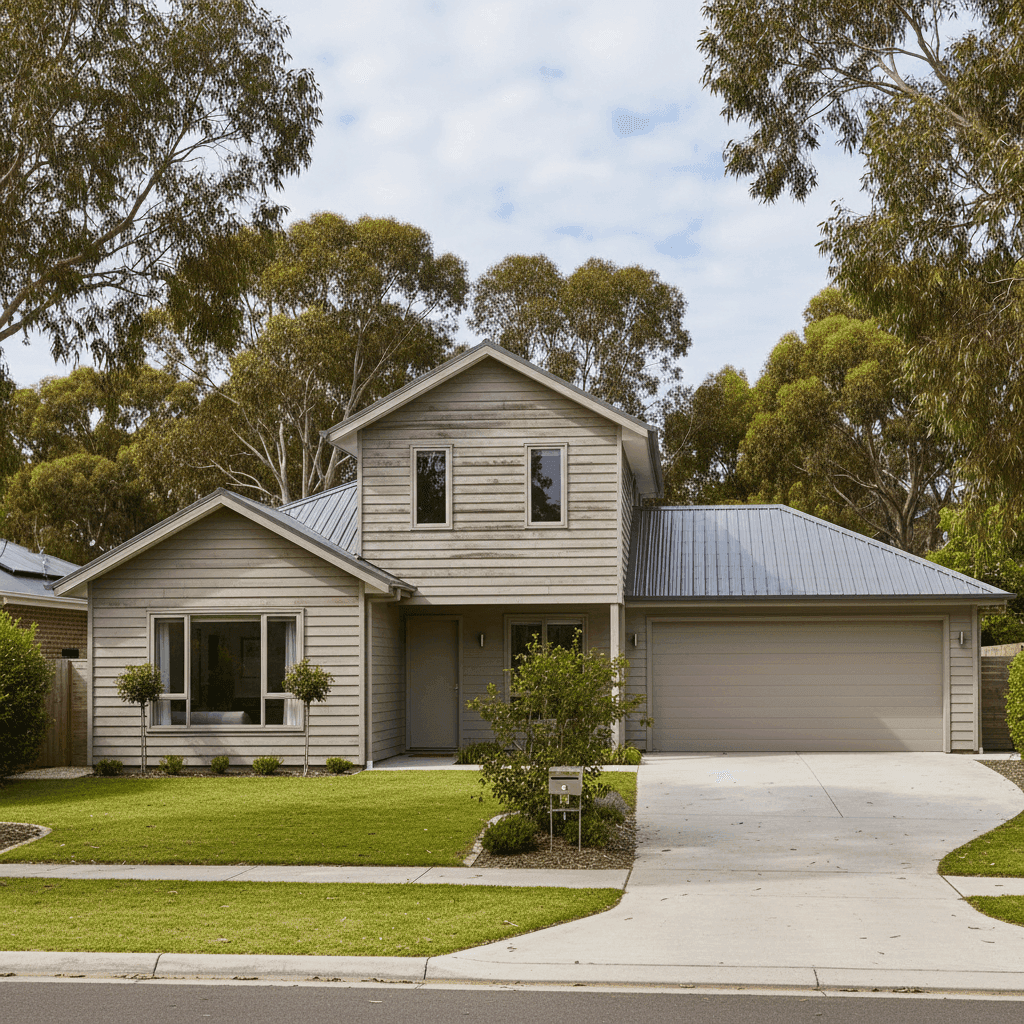
Lochinvar is a growing residential suburb in the Hunter Valley region of New South Wales, sitting within the Port Stephens local government area. Known for its semi-rural character and proximity to Maitland and Newcastle, it attracts families looking for space and lifestyle. If you own a free standing home here, understanding what you should be paying for home and contents insurance — and why — can make a real difference to your budget.
This article breaks down a recent insurance quote for a 4-bedroom, 2-bathroom free standing home in Lochinvar (postcode 2321), analyses whether the premium is competitive, and offers practical tips for local homeowners looking to get better value from their cover.
---
Is This Quote Fair?
The quote in question comes in at $4,365 per year (or $460 per month) for combined home and contents insurance, covering a building sum insured of $1,248,000 and contents valued at $224,000. The building excess is $3,000 and the contents excess is $500.
Our pricing analysis rates this quote as FAIR — around average for the area. That's a meaningful result: it means the homeowner isn't being overcharged, but there's also a reasonable chance that shopping around could uncover a better deal.
To put this in context, the 25th percentile of quotes in the Lochinvar suburb sits at $4,241 per year — meaning roughly a quarter of comparable properties are insured for less than this amount. The quote here is only marginally above that threshold, which reinforces the "fair" rating. It's not a bargain, but it's also not in the expensive upper range where the 75th percentile reaches $7,372 per year.
---
How Lochinvar Compares
Understanding where your premium sits relative to broader benchmarks helps you make a more informed decision. Here's how this quote stacks up:
| Benchmark | Premium |
|---|---|
| This quote | $4,365/yr |
| Lochinvar suburb average | $5,706/yr |
| Lochinvar suburb median | $5,156/yr |
| Port Stephens LGA average | $3,116/yr |
| NSW state average | $9,528/yr |
| NSW state median | $3,770/yr |
| National average | $5,347/yr |
| National median | $2,764/yr |
A few things stand out here. First, this quote sits well below the Lochinvar suburb average of $5,706 and also below the suburb median of $5,156 — suggesting it's actually on the more competitive end for properties in this postcode specifically. You can explore more local data on the Lochinvar suburb insurance stats page.
Second, the NSW state average of $9,528 is extraordinarily high compared to this quote — but this is heavily skewed by high-risk coastal and flood-prone areas across the state. The NSW median of $3,770 is a more representative figure, and this quote sits modestly above it. For a full picture of how NSW compares, visit the NSW insurance stats page.
Third, against the national average of $5,347, this quote is actually below average — which is a positive sign. The national insurance stats page provides further context if you're curious how your state compares to the rest of Australia.
One figure worth noting is the Port Stephens LGA average of $3,116 — which is lower than this quote. LGA-level averages can be influenced by a wide mix of property types and risk profiles across the council area, so a direct comparison isn't always apples-to-apples, but it does suggest there may be room to negotiate or shop around.
---
Property Features That Affect Your Premium
Several characteristics of this particular property influence how insurers price the risk. Understanding them can help you have more informed conversations with insurers.
Weatherboard timber walls are one of the most significant factors. Timber-clad homes are generally considered higher risk by insurers than brick or rendered concrete, primarily due to fire susceptibility. This can push premiums higher compared to equivalent brick homes, and it's likely contributing to the above-LGA-average cost here.
Steel/Colorbond roofing is generally viewed favourably by insurers. It's durable, low-maintenance, and performs well in storms and high winds — all of which reduce the likelihood of a claim. This is a positive factor working in the homeowner's favour.
Slab foundation is the most common foundation type in modern Australian construction and is considered low-risk. It doesn't add complexity or vulnerability the way some older foundation types might.
Above-average fittings quality is an important consideration when it comes to the sum insured. High-quality fixtures, finishes, and appliances cost more to replace, and at $1,248,000, the building sum insured reflects this. Underinsuring a home with above-average fittings is a common and costly mistake, so it's reassuring to see a realistic figure here.
Tile flooring throughout is a practical, durable choice that holds up well to water damage and is straightforward to repair or replace — a minor positive from an insurance perspective.
The property has no pool, no solar panels, and no ducted climate control system, which simplifies the risk profile and helps keep the premium from climbing further.
---
Tips for Homeowners in Lochinvar
1. Review your building sum insured regularly Construction costs have risen significantly in recent years across NSW. A sum insured that was accurate two or three years ago may now fall short of what it would actually cost to rebuild your home. Use a building cost calculator or speak with a quantity surveyor to make sure your $1,248,000 cover still reflects current rebuild costs — especially with above-average fittings.
2. Consider the impact of your excess settings This policy carries a $3,000 building excess. While a higher excess typically lowers your annual premium, it also means a larger out-of-pocket cost if you need to make a claim. Think carefully about what you could comfortably afford in the event of a claim, and compare quotes with different excess levels to find the right balance.
3. Shop around — even when your current rate seems fair A "fair" rating means you're around average, not that you're getting the best possible deal. With premiums in the suburb ranging from around $4,241 to over $7,372, there's meaningful variation between insurers. Comparing at least three to four quotes annually is one of the simplest ways to avoid paying more than necessary.
4. Protect your timber exterior proactively Because weatherboard homes attract higher premiums due to fire risk, taking steps to reduce that risk can work in your favour. Keep vegetation well-cleared from the home's perimeter, ensure gutters are clean, and maintain the condition of your timber cladding. Some insurers may also offer discounts for homes with monitored alarm systems or fire-resistant treatments.
---
Ready to Compare?
Whether you're reviewing your current policy or buying insurance for the first time, comparing quotes is the best way to make sure you're getting value. Get a home insurance quote at CoverClub and see how your premium stacks up against the market in seconds. It's free, fast, and tailored to your property.