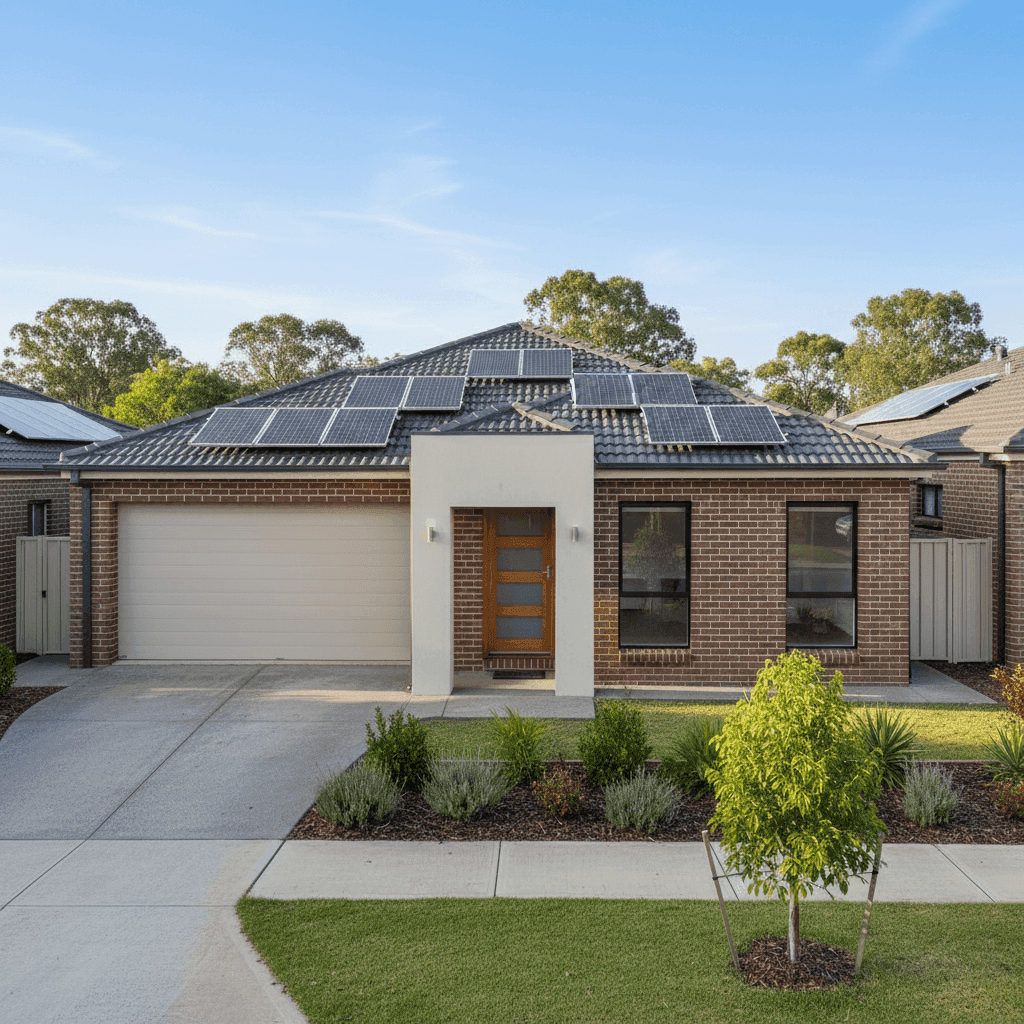
Logan Reserve is a growing residential suburb in the City of Logan, situated about 35 kilometres south of Brisbane's CBD. With a wave of modern housing developments built over the past decade, it's become a popular destination for families seeking space and affordability within commuting distance of the city. If you own a free-standing home here, understanding what you should be paying for home insurance — and why — is an important part of protecting one of your biggest assets.
This article breaks down a recent home and contents insurance quote for a 4-bedroom, 2-bathroom free-standing home in Logan Reserve (postcode 4133), comparing it against local, state, and national benchmarks to help you understand whether you're getting a fair deal.
---
Is This Quote Fair?
The quote in question comes in at $1,297 per year (or $120/month) for combined home and contents cover, with a building sum insured of $600,000 and contents valued at $50,000. The building excess is $2,500 and the contents excess is $2,000.
Our price rating for this quote is CHEAP — below average — and the data backs that up clearly.
At $1,297 annually, this premium sits well below the suburb average of $2,890/yr and is even more favourable compared to the suburb median of $3,245/yr. In fact, it comes in beneath the 25th percentile for Logan Reserve quotes ($2,109/yr), meaning it's cheaper than at least 75% of comparable quotes in the area. That's a genuinely strong result.
For context, the Queensland state average sits at $4,547/yr, and the national average is $2,965/yr. This quote beats both benchmarks by a significant margin, making it an exceptionally competitive premium for the level of cover provided.
---
How Logan Reserve Compares
Home insurance pricing in Logan Reserve — and Queensland more broadly — tends to run higher than many other parts of Australia, largely driven by the state's elevated exposure to extreme weather events, including flooding, severe storms, and hail.
Here's how the numbers stack up:
| Benchmark | Annual Premium |
|---|---|
| This Quote | $1,297 |
| Logan Reserve Suburb Average | $2,890 |
| Logan Reserve Suburb Median | $3,245 |
| Logan Reserve 25th Percentile | $2,109 |
| LGA (Logan) Average | $3,411 |
| QLD State Average | $4,547 |
| National Average | $2,965 |
| National Median | $2,716 |
The Logan City LGA average of $3,411/yr reflects the broader insurance pressures faced across this council area, which encompasses suburbs with varying flood and storm risk profiles. Logan Reserve itself sits in a relatively modern part of the LGA, which likely contributes to more competitive premiums.
You can explore more localised data on the Logan Reserve suburb stats page to see how premiums in 4133 have been trending.
---
Property Features That Affect Your Premium
Several characteristics of this particular property work in the homeowner's favour when it comes to insurance pricing.
Construction year (2017): Newer homes are generally cheaper to insure. A property built in 2017 was constructed under modern Australian building codes, which mandate higher standards for structural integrity, fire resistance, and weather resilience. Insurers view this favourably.
Brick veneer external walls and tiled roof: This combination is considered one of the more durable and insurer-friendly construction types in Australia. Brick veneer offers solid weather resistance, while tiled roofs — when well-maintained — provide good protection against wind and rain damage. Both materials are relatively straightforward to repair or replace, which keeps claim costs (and therefore premiums) lower compared to, say, timber weatherboard or Colorbond cladding in high-risk areas.
Slab foundation: A concrete slab foundation is standard for modern Queensland homes and is generally regarded as a stable, low-risk foundation type. It also reduces the risk of subfloor damage from moisture or pests.
No pool: Swimming pools add liability risk and can increase premiums. The absence of a pool here removes that loading.
Solar panels: Interestingly, solar panels are a double-edged sword in insurance terms. They add value to the property that needs to be covered, but they can also introduce additional risk (e.g., storm or hail damage, electrical faults). It's worth confirming with your insurer that your solar system is explicitly covered under your building policy and that the sum insured accounts for replacement costs.
Ducted climate control: Ducted systems are a significant fixture and should be included in your building sum insured. At $600,000, the sum insured here appears reasonable for a 214 sqm modern home in this area, though it's always worth reviewing this figure annually as construction costs continue to rise.
No cyclone risk: Logan Reserve falls outside designated cyclone risk zones, which is a meaningful premium advantage for Queensland homeowners in this part of the state. Cyclone loading can add hundreds of dollars to annual premiums in northern Queensland.
---
Tips for Homeowners in Logan Reserve
1. Review your sum insured annually Construction costs in South East Queensland have risen substantially in recent years. A sum insured that was adequate two years ago may no longer be sufficient to fully rebuild your home today. Use a building cost calculator and check in with your insurer each renewal cycle to avoid being underinsured.
2. Confirm solar panel coverage Solar panel systems — including inverters and mounting hardware — can be worth $8,000–$20,000 or more. Not all standard building policies automatically cover them for all types of damage. Read your Product Disclosure Statement (PDS) carefully and ask your insurer directly about storm, hail, and electrical damage coverage for your system.
3. Understand your flood and storm exposure While Logan Reserve is not a high-risk flood suburb, parts of the broader Logan LGA have experienced significant flooding. Check your property's flood overlay via the Logan City Council flood maps and ensure your policy includes storm surge and flood cover if relevant to your address.
4. Compare quotes at renewal — every year Even if you're happy with your current premium, the insurance market shifts constantly. The fact that this quote came in well below the suburb average demonstrates how much variation exists between providers. Comparing quotes annually is one of the simplest ways to avoid paying more than you need to.
---
Compare Home Insurance Quotes in Logan Reserve
Whether you're a first-time buyer or a long-time homeowner in Logan Reserve, getting the right cover at the right price matters. The quote analysed here is a strong example of what's available when you shop around — but your circumstances may differ, and premiums vary significantly between insurers.
Get a home insurance quote at CoverClub and see how your property stacks up against the suburb, state, and national averages. It takes just a few minutes and could save you hundreds of dollars a year.