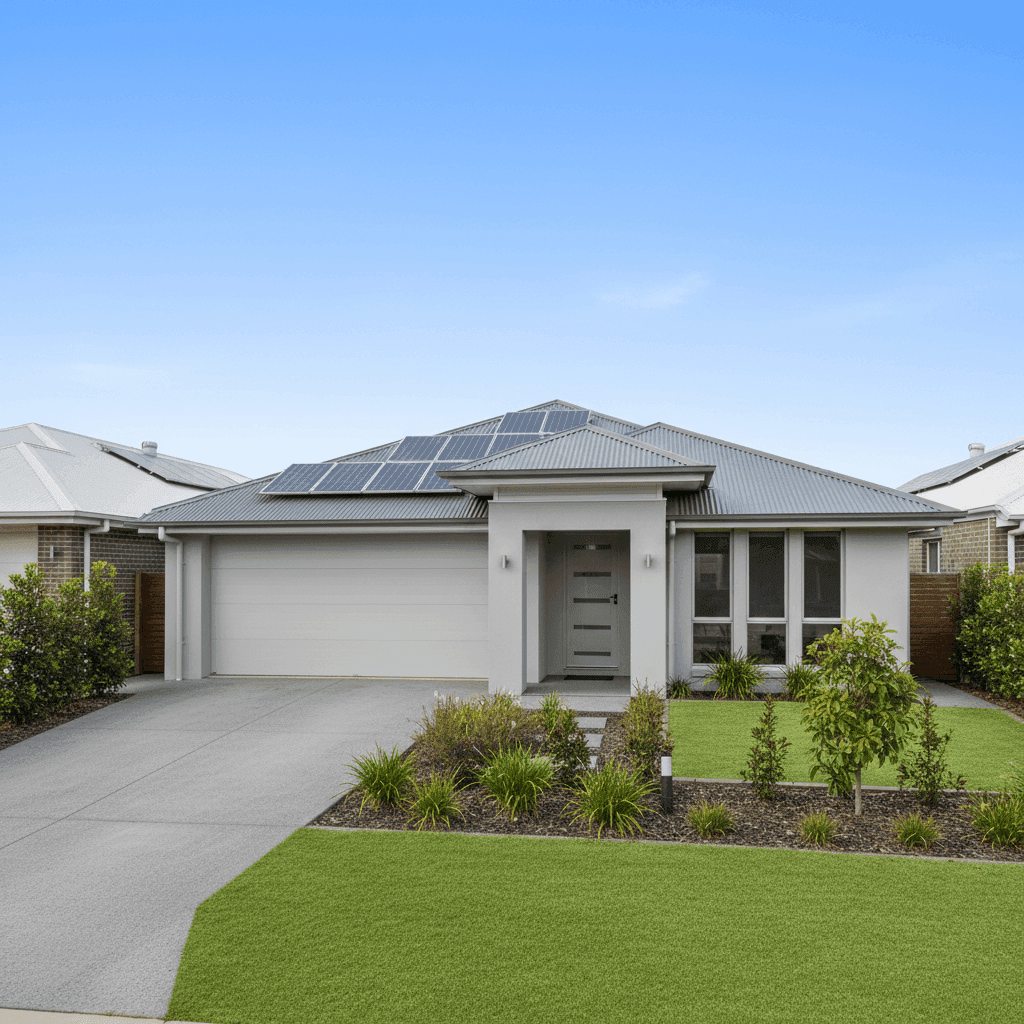
Logan Reserve is a growing residential suburb in the City of Logan, situated about 35 kilometres south of Brisbane's CBD. With new housing estates continuing to take shape across the area, it's no surprise that modern, free-standing homes are becoming the dominant property type here. If you've recently received a home and contents insurance quote for a property in Logan Reserve — or you're simply trying to make sense of what you're paying — this analysis breaks down exactly what's going on with the numbers and what's driving your premium.
---
Is This Quote Fair?
The quote under review is $16,667 per year (or $1,597/month) for a combined home and contents policy, covering a building sum insured of $600,000 and contents valued at $45,000, each with a $1,000 excess.
To put it plainly: this quote is rated Expensive — above average when benchmarked against comparable properties in the area.
The suburb average for Logan Reserve sits at just $2,671 per year, with a median of $2,230. This quote comes in at more than six times the suburb median — a significant gap that warrants a closer look. Even the suburb's 75th percentile (the most expensive quarter of quotes) is only $3,529/yr, meaning this premium is well above even the priciest tier of local comparisons.
It's worth noting that the building sum insured of $600,000 is likely higher than many comparable properties in the suburb sample, which would naturally push the premium upward. Still, the magnitude of the difference is notable and suggests there may be room to shop around.
---
How Logan Reserve Compares
Understanding where your premium sits relative to broader benchmarks helps put the figure in perspective. Here's how Logan Reserve stacks up:
| Benchmark | Average Premium | Median Premium |
|---|---|---|
| Logan Reserve (suburb) | $2,671/yr | $2,230/yr |
| LGA (City of Logan) | $4,617/yr | — |
| Queensland | $9,129/yr | $3,903/yr |
| National | $5,347/yr | $2,764/yr |
A few things stand out here. Queensland's state average of $9,129/yr is notably higher than the national average of $5,347/yr — a reflection of the elevated weather and climate risks across much of the state, including cyclone-prone northern regions, flood-affected inland areas, and storm-heavy southeast Queensland. You can explore Queensland insurance data and national benchmarks in more detail on CoverClub.
Interestingly, Logan Reserve's suburb average of $2,671/yr is actually below the national average, suggesting that properties in this specific pocket of Logan are generally considered lower risk than many other parts of the country. The City of Logan LGA average of $4,617/yr is more moderate, reflecting the diversity of risk profiles across the broader local government area.
Based on a sample of 49 quotes for Logan Reserve, the data is reasonably representative of local conditions — and this quote sits well outside the typical range.
---
Property Features That Affect Your Premium
Several characteristics of this property are relevant to how insurers assess risk and calculate premiums.
Hebel external walls — Hebel (autoclaved aerated concrete) is a modern, lightweight panel product that performs well in fire resistance and is increasingly popular in new builds. Insurers generally view it favourably, though some may price it slightly differently due to repair and replacement costs compared to traditional brick.
Steel/Colorbond roof — Colorbond roofing is widely regarded as a durable, low-maintenance option that holds up well in Australian conditions. It's resistant to corrosion, fire, and wind, which typically works in your favour when insurers assess roof risk.
Slab foundation and tiled flooring — A concrete slab is a stable and common foundation type in southeast Queensland. Paired with tile flooring throughout, this reduces concerns around moisture damage and subsidence that might affect older or elevated homes.
Solar panels — The presence of solar panels adds replacement value to the property and can introduce additional risk considerations for insurers (e.g., storm damage, fire risk from inverters). It's important to confirm your policy explicitly covers solar panel systems, as some policies include them as standard while others treat them as an optional extra.
Ducted climate control — Ducted air conditioning is a significant fixed asset and can add to both the building sum insured and the complexity of a claim. Ensuring it's included in your building cover is essential.
2024 construction year — As a brand-new home, this property benefits from modern building standards, which generally means lower structural risk. However, new builds often carry higher replacement costs per square metre, which can drive up the sum insured — and therefore the premium.
Above-average fittings quality — Higher-quality fixtures, fittings, and finishes increase the cost to rebuild or repair, which is reflected in both the sum insured and the premium.
---
Tips for Homeowners in Logan Reserve
1. Review your sum insured carefully A building sum insured of $600,000 is on the higher end for a 2-bedroom home, even with above-average fittings. It's worth getting an independent building replacement cost estimate to make sure you're not over-insured — paying for coverage you don't need — while still being adequately protected.
2. Confirm solar panel coverage With solar panels installed, ask your insurer specifically how they are covered. Are they included in the building sum insured? Is there a separate sub-limit? What events are covered (e.g., storm, fire, accidental damage)? Getting clarity here can prevent nasty surprises at claim time.
3. Compare multiple quotes Given this premium is significantly above the suburb average, it's strongly worth comparing quotes from other insurers. The same property can attract very different premiums depending on how each insurer models risk, their appetite for new-build Hebel homes, and their current pricing strategies. Get a comparison quote at CoverClub to see what else is available.
4. Consider your excess level Both the building and contents excess are set at $1,000. Opting for a higher voluntary excess (e.g., $2,500 or $5,000) can meaningfully reduce your annual premium — a worthwhile trade-off if you're unlikely to make small claims and want to lower your ongoing costs.
---
Find a Better Deal with CoverClub
Whether you're a new homeowner in Logan Reserve or reassessing your existing policy, it pays to compare. CoverClub makes it easy to benchmark your quote against real data from your suburb, LGA, and across Queensland — so you always know whether you're getting a fair deal. Start comparing home insurance quotes today and see how much you could save.