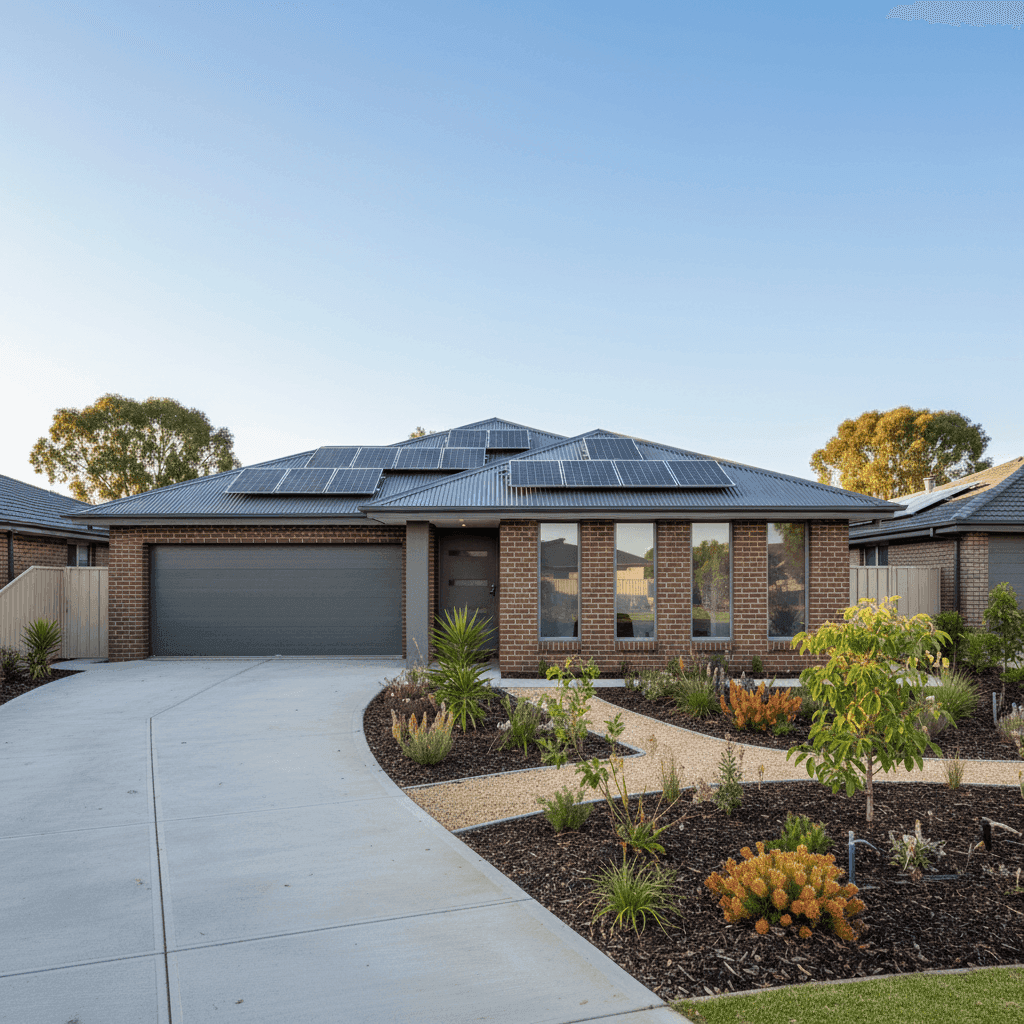
If you own a free standing home in Longford, VIC 3851, you already know this part of Gippsland offers a relaxed lifestyle — but like any regional area, it comes with its own set of insurance considerations. This article breaks down a real home and contents insurance quote for a four-bedroom property in Longford, compares it against local, state, and national benchmarks, and offers practical tips to help you get better value on your cover.
---
Is This Quote Fair?
The quote in question comes in at $3,271 per year (or $313 per month) for combined home and contents insurance, covering a building sum insured of $972,000 and contents valued at $229,000. Both the building and contents excess are set at $1,000 each.
Our price rating for this quote is EXPENSIVE — above average for the Longford area.
To put that in perspective: the suburb average premium sits at just $2,177 per year, and the median is even lower at $2,161. That means this quote is running approximately $1,094 above the local average — a 50% premium over what other Longford homeowners are typically paying. Even at the 75th percentile of local quotes ($2,356/yr), this policy is still significantly more costly.
That said, context matters. The higher building sum insured ($972,000) and above-average fittings quality will naturally push the premium upward. A newer home with quality finishes costs more to rebuild, and insurers price accordingly. Still, the gap is wide enough to warrant shopping around.
---
How Longford Compares
Understanding where Longford sits in the broader insurance landscape is useful when evaluating any quote. Here's a snapshot based on data from CoverClub's Longford suburb stats:
| Benchmark | Premium |
|---|---|
| Longford suburb average | $2,177/yr |
| Longford suburb median | $2,161/yr |
| Longford 25th percentile | $1,892/yr |
| Longford 75th percentile | $2,356/yr |
| Wellington LGA average | $4,409/yr |
| VIC state average | $3,000/yr |
| VIC state median | $2,718/yr |
| National average | $5,347/yr |
| National median | $2,764/yr |
A few things stand out here. First, Longford's local premiums are notably lower than the Victorian state average ($2,177 vs $3,000), suggesting the suburb is considered relatively lower risk by insurers overall. Second, the Wellington LGA average ($4,409/yr) is considerably higher than the Longford suburb average — meaning that within the broader Wellington council area, Longford appears to be one of the more affordable pockets to insure.
Compared to national benchmarks, Longford homeowners are generally well-positioned — the national average of $5,347/yr reflects the heavy influence of high-risk areas like cyclone-prone Queensland and flood-affected regions. Longford's figures are well below that mark.
You can explore broader Victorian insurance trends here to see how the state stacks up against the rest of the country.
It's worth noting that this analysis is based on a sample of 19 quotes in the Longford area — a relatively small dataset, so individual results can vary depending on the insurer, the level of cover, and specific property characteristics.
---
Property Features That Affect Your Premium
Every home is unique, and insurers weigh up a range of property attributes when calculating your premium. Here's how the features of this particular property are likely influencing the cost:
Brick veneer construction is generally viewed favourably by insurers. It offers solid fire resistance and structural durability, which can help moderate premiums compared to weatherboard or lightweight cladding.
Steel/Colorbond roofing is another positive. Colorbond is highly durable, resistant to corrosion, and performs well in bushfire-prone areas — all factors that can work in your favour at renewal time.
Slab foundation is the standard for modern construction and carries minimal additional risk from an insurer's perspective, unlike older stumped or suspended floor systems that can be more vulnerable to movement or moisture.
Timber and laminate flooring is worth noting. While stylish and common in newer builds, these materials can be more expensive to replace than tiles, which may contribute slightly to the contents or building replacement cost.
Above-average fittings quality is a significant premium driver. Kitchens and bathrooms with high-end fixtures, stone benchtops, and quality appliances cost more to replace — and insurers factor this into the sum insured and the premium.
Solar panels add value to the property but also add to the replacement cost of the building. Insurers typically include solar systems under the building sum insured, so it's important to ensure your coverage adequately accounts for the system's value.
Ducted climate control is another feature that increases the cost of a full rebuild or reinstatement, contributing to the higher building sum insured of $972,000.
The home was built in 2021, making it a relatively new property. Newer builds often benefit from modern construction standards — better fire resistance, updated electrical systems, and compliant plumbing — which can be viewed positively by underwriters.
---
Tips for Homeowners in Longford
1. Review your sum insured carefully A building sum insured of $972,000 is substantial. Make sure this figure reflects the actual cost to rebuild your home from scratch — including demolition, debris removal, and current construction costs — rather than the market value of the property. Overinsuring can push your premium higher than necessary, while underinsuring leaves you exposed.
2. Compare multiple insurers With this quote sitting well above the local suburb average, it's a clear signal to get competing quotes. Prices for the same property can vary dramatically between insurers. Use CoverClub's free quote comparison tool to see what other providers are offering for your specific address and coverage needs.
3. Ask about bundling discounts Many insurers offer discounts when you combine home and contents cover under a single policy — which this quote already does. However, it's worth confirming that you're receiving the full bundling benefit, and comparing it against the cost of separate policies with different providers.
4. Consider your excess strategically Both the building and contents excess are set at $1,000. Opting for a higher excess (say, $1,500 or $2,000) can meaningfully reduce your annual premium. If you have sufficient savings to cover a larger out-of-pocket expense in the event of a claim, this trade-off often makes financial sense — particularly for a lower-risk property like this one.
---
Ready to Find a Better Deal?
Whether you're renewing your policy or taking out cover for the first time, it pays to compare. CoverClub makes it easy to see how your quote stacks up and find more competitive options from a range of Australian insurers. Get a free home insurance quote today and make sure you're not paying more than you need to for the cover your Longford home deserves.