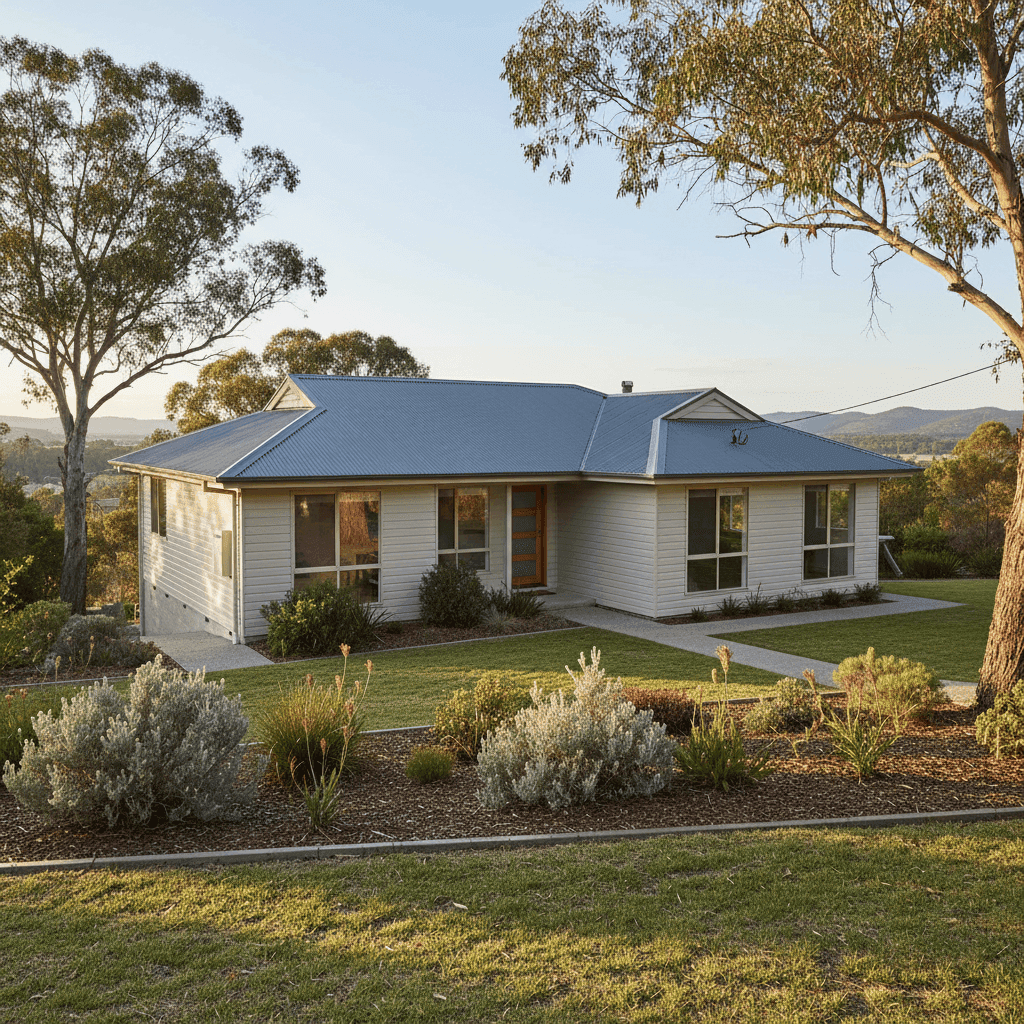
If you own a free standing home in Lorne, NSW 2439, you already know that coastal living comes with its own set of considerations — including what you pay to protect your most valuable asset. This article breaks down a real home and contents insurance quote for a four-bedroom, two-bathroom property in Lorne, compares it against state and national benchmarks, and offers practical tips to help you make the most of your cover.
---
Is This Quote Fair?
The quote in question sits at $7,351 per year (or $735/month) for combined home and contents insurance, covering a building sum insured of $800,000 and contents valued at $100,000. The building excess is $5,000, and the contents excess is $2,000.
Based on CoverClub's pricing data, this premium has been rated CHEAP — meaning it's below the average for comparable properties in New South Wales. That's encouraging news for the homeowner. While $7,351 per year is still a meaningful household expense, the fact that it undercuts the NSW state average by a notable margin suggests the insurer has priced this policy competitively for the location and property profile.
It's worth noting that a higher excess — particularly the $5,000 building excess — is one of the levers that can bring a premium down. Homeowners should weigh up whether they're comfortable covering that amount out of pocket in the event of a claim before settling on this structure.
---
How Lorne Compares
To put this quote in proper context, here's how it stacks up against available benchmarks:
| Benchmark | Annual Premium |
|---|---|
| This Quote | $7,351 |
| LGA Average (Port Macquarie-Hastings) | $7,001 |
| NSW State Average | $9,528 |
| NSW State Median | $3,770 |
| National Average | $5,347 |
| National Median | $2,764 |
The quote sits just above the Port Macquarie-Hastings LGA average of $7,001 — a modest difference of around $350 per year — and comes in well below the NSW state average of $9,528. Compared to the national average of $5,347, the Lorne quote is higher, which is not unusual for coastal NSW properties where environmental risk factors tend to push premiums up.
The gap between the state average and the state median ($3,770) is significant, and reflects the wide spread of premiums across NSW — from low-risk inland properties to high-value coastal and bushfire-prone homes. Lorne's positioning in this range is consistent with what you'd expect for a regional coastal suburb.
No suburb-level comparison data was available for Lorne specifically, but the LGA benchmark provides a useful local reference point.
---
Property Features That Affect Your Premium
Several characteristics of this property will have influenced how the insurer priced this policy:
- Vinyl Cladding external walls: Vinyl cladding is generally considered a moderate-risk material. It's not as fire-resistant as brick or fibre cement, which can push premiums slightly higher, but it's also less susceptible to moisture damage than timber weatherboard. Insurers assess cladding type carefully as part of their risk modelling.
- Steel/Colorbond roof: This is generally viewed favourably by insurers. Colorbond roofing is durable, fire-resistant, and performs well in high-wind conditions — all of which can work in a homeowner's favour when it comes to premium pricing.
- Slab foundation: Concrete slab foundations are typically considered low-risk and are common in post-1980s construction. They're less vulnerable to subsidence and pest damage compared to older suspended timber floors.
- Construction year (1989): At approximately 35 years old, this home sits in a middle ground — old enough that some components may be approaching end-of-life (roofing, plumbing, electrical), but built under more modern standards than pre-1970s homes. Some insurers apply age-related loading to older properties, though 1989-era homes are generally still well-regarded.
- Building size (214 sqm) and sum insured ($800,000): A high sum insured relative to the building size suggests the rebuild cost estimate accounts for coastal construction premiums, site access, and current material and labour costs — all of which are elevated in regional NSW. It's important that this figure is accurate; underinsurance remains one of the most common and costly mistakes homeowners make.
- No pool, solar panels, or ducted climate control: The absence of these features keeps the risk profile simpler and removes several common sources of claims, which may contribute to a more competitive premium.
---
Tips for Homeowners in Lorne
1. Review your sum insured annually Building costs have risen sharply in recent years, particularly in regional and coastal areas. The $800,000 sum insured should be reviewed each year to ensure it reflects current rebuild costs — not the purchase price or market value of the property. Consider using a building cost calculator or asking your insurer how they index your coverage.
2. Understand your excess before you commit A $5,000 building excess is on the higher end. While it helps reduce your annual premium, it means you'd need to cover that amount yourself before your insurer steps in. Make sure this is genuinely affordable in a worst-case scenario, particularly for weather-related damage that can affect multiple parts of a property simultaneously.
3. Compare quotes at renewal time Even if your current premium is rated as competitive, the insurance market shifts constantly. Insurers adjust their risk models, and a quote that's great value today may not be at next renewal. Use a comparison tool like CoverClub to benchmark your renewal offer before accepting it.
4. Consider the coastal risk context Lorne is located in a coastal area of NSW, which can mean exposure to storm surge, strong winds, and salt-air corrosion — particularly relevant for vinyl cladding and metal fixtures. Make sure your policy explicitly covers storm and water damage, and check whether flood cover (if applicable to your specific location) is included or needs to be added.
---
Ready to Compare?
Whether you're renewing your existing policy or shopping for cover on a new purchase, it pays to compare. CoverClub makes it easy to see how your home insurance quote stacks up against real data from across NSW and Australia. Get a quote today and find out if you're paying a fair price — or if there's a better deal waiting for you.