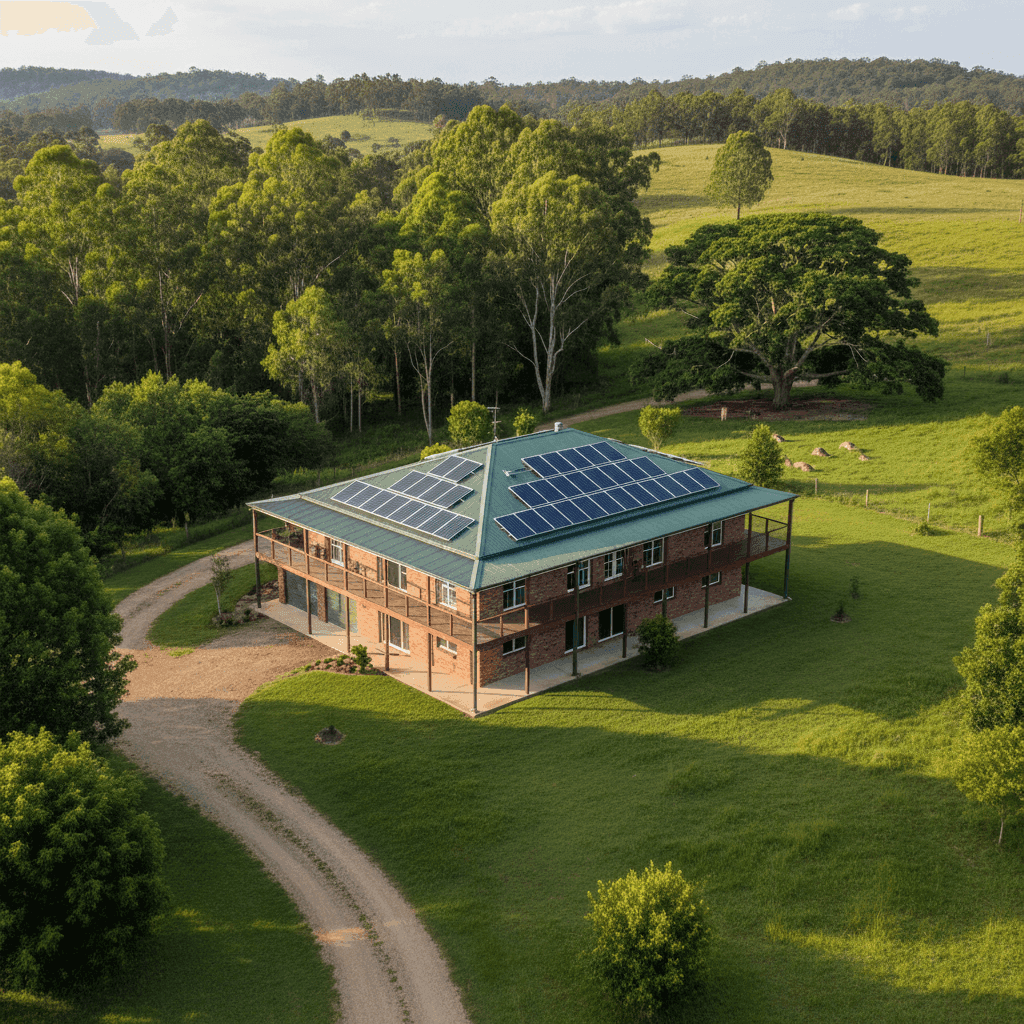
Lower Dyraaba is a quiet rural locality in the Northern Rivers region of New South Wales, sitting within the Lismore Local Government Area. If you own a free standing home out here, you already know the appeal — space, greenery, and a slower pace of life. But when it comes to home insurance, the Northern Rivers region has earned a reputation for some of the steepest premiums in the country, largely due to its flood and storm exposure. So when a quote comes in below the state average, it's worth taking a closer look at what's driving that figure — and whether it truly reflects good value.
---
Is This Quote Fair?
The annual premium on this quote is $5,047 per year (or $459 per month) for building-only cover on a 4-bedroom, 2-bathroom free standing home, with a sum insured of $307,000 and a building excess of $5,000.
Our price rating for this quote is CHEAP — below average — which is genuinely good news for the homeowner. Here's why that matters in context.
The NSW state average premium sits at $9,528 per year, meaning this quote comes in at roughly 47% below what the average NSW homeowner pays. Compared to the national average of $5,347, this quote is still slightly below par — a meaningful saving when insurance costs are climbing across the board.
That said, it's important to distinguish between averages and medians. The NSW median premium is $3,770/yr and the national median is $2,764/yr, both of which sit below this quote. Medians reflect the middle of the market and can be skewed by a high volume of lower-risk, lower-value properties. Given the regional risk profile of the Northern Rivers, a premium of $5,047 for a well-appointed 4-bedroom home is a competitive outcome.
The $5,000 building excess is on the higher side and is worth factoring into your decision. A higher excess typically reduces your annual premium, so part of why this quote looks attractive may be because the homeowner is absorbing more out-of-pocket cost in the event of a claim.
---
How Lower Dyraaba Compares
There isn't enough suburb-level data to report a specific Lower Dyraaba average, but the broader Lismore LGA context is telling. The Lismore LGA average premium is $18,453 per year — nearly four times the quote being analysed here. This extraordinary figure reflects the severe flood events that have impacted the Lismore region in recent years, particularly the catastrophic 2022 floods, which triggered a widespread repricing of risk across the area.
Lower Dyraaba itself sits in a more elevated rural pocket of the postcode 2470, which likely explains why this particular property's premium diverges so dramatically from the LGA average. Elevation is a significant factor in flood risk modelling, and properties that sit higher above ground level are generally viewed more favourably by underwriters.
| Benchmark | Premium |
|---|---|
| This quote | $5,047/yr |
| NSW average | $9,528/yr |
| NSW median | $3,770/yr |
| National average | $5,347/yr |
| National median | $2,764/yr |
| Lismore LGA average | $18,453/yr |
---
Property Features That Affect Your Premium
Several characteristics of this property play a direct role in how insurers assess and price the risk.
Elevated foundation (at least 1 metre): This is arguably the most impactful feature for a property in the Northern Rivers. Being elevated by at least one metre significantly reduces flood inundation risk, and most insurers reward this with lower premiums. In a region where flood events have caused billions of dollars in damage, elevation is one of the most valued risk mitigants.
Brick veneer construction: Brick veneer walls are considered a durable, low-maintenance external finish that performs well in storm and fire scenarios. Insurers generally view brick veneer favourably compared to lightweight cladding or weatherboard, which can be more vulnerable to impact and moisture.
Steel/Colorbond roof: Colorbond roofing is well regarded in Australia for its resilience against hail, high winds, and corrosion. It's a common choice in regional NSW and typically attracts neutral-to-positive risk assessments from underwriters.
Slab foundation: A concrete slab foundation is structurally sound and widely used in modern construction. Combined with the elevated siting, it contributes to a stable risk profile.
Solar panels: The presence of solar panels adds to the replacement cost of the property and can slightly increase the sum insured required. It's worth confirming with your insurer that your solar system is explicitly covered under the building policy, as some policies treat it as a separate item.
Ducted climate control: Ducted air conditioning systems are a significant fixed asset and should be captured in your building sum insured. These systems can be costly to repair or replace following storm or water damage.
Timber/laminate flooring and standard fittings: The combination of standard-quality fittings and timber or laminate flooring places this property in a mid-range rebuild cost bracket, which aligns reasonably with the $307,000 sum insured for a 2010-built home of this size.
---
Tips for Homeowners in Lower Dyraaba
1. Review your sum insured regularly Construction costs have risen sharply across regional NSW in recent years. A sum insured set at the time of purchase or last renewal may no longer reflect the true cost of rebuilding your home. Use a building cost calculator or speak with a quantity surveyor to ensure $307,000 still covers a full rebuild — including materials, labour, and site costs in a regional area.
2. Understand what your excess means in practice A $5,000 building excess is a significant financial commitment. Before claiming, weigh up whether the repair cost meaningfully exceeds that threshold. For smaller claims — say, a broken window or minor storm damage — it may not be worth claiming at all, especially if it affects your future premiums.
3. Confirm solar panel and ducted system coverage Ask your insurer directly whether your solar panels and ducted climate control system are included under the building definition, and to what value. Some policies cap coverage for these items or require them to be listed separately. Getting clarity now avoids surprises at claim time.
4. Compare at renewal, not just at purchase The insurance market in regional NSW is active and competitive. Premiums can shift significantly between insurers for the same property, and loyalty doesn't always pay. Use a comparison platform like CoverClub at each renewal to ensure you're still getting a competitive rate — particularly given how dramatically LGA-wide averages can diverge from individual property quotes.
---
Compare Your Home Insurance with CoverClub
Whether you're renewing your policy or shopping around for the first time, CoverClub makes it easy to see what you should be paying. With real premium data from across NSW and Australia, you can benchmark your quote in seconds and find cover that suits your home and your budget. Get a quote today at CoverClub and make sure your home is properly protected — without overpaying.