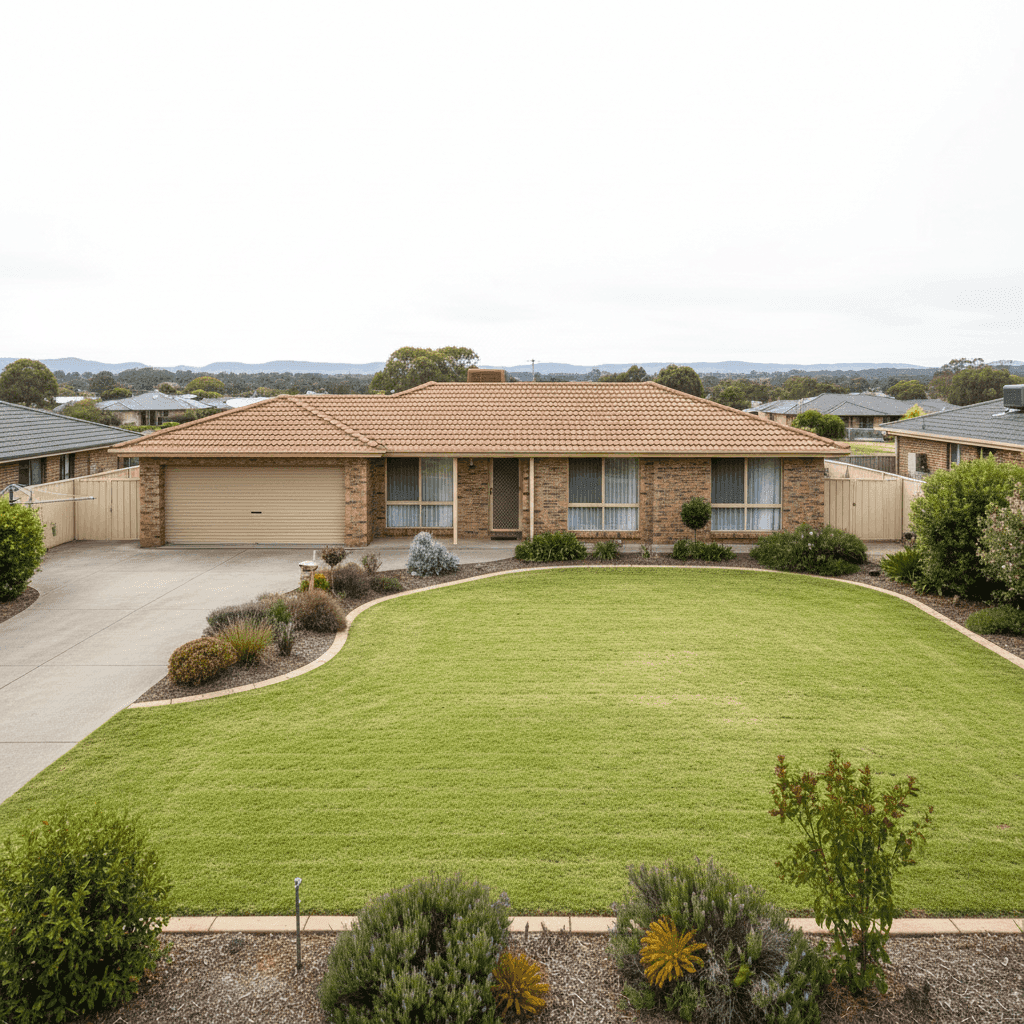
If you own a free standing home in Lucknow, NSW 2800, you're probably wondering whether the home insurance premium you've been quoted is genuinely competitive — or whether you're leaving money on the table. This article breaks down a real quote for a three-bedroom brick veneer home in Lucknow, compares it against state and national benchmarks, and offers practical tips to help you get the best value cover.
---
Is This Quote Fair?
The annual premium for this property came in at $3,061 per year (or around $293 per month), covering both building and contents. The building is insured for $743,000 and contents for $96,000, with a $1,000 excess on each.
CoverClub rates this quote as CHEAP — below average for the area. That's genuinely good news for the homeowner. When you consider the level of cover on offer — a substantial building sum insured plus nearly $100,000 in contents protection — paying under $3,100 annually represents solid value.
To put it in context: the NSW state average premium sits at a hefty $9,528 per year, with a median of $3,770. This quote comfortably undercuts the state median by more than $700, and is less than a third of the state average. Even against national figures, where the average is $5,347 and the median $2,764, this premium holds up well — sitting modestly above the national median but well below the national average.
In short: this is a competitive quote worth taking seriously.
---
How Lucknow Compares
Lucknow is a small locality on the outskirts of Orange in the Central West of New South Wales. While suburb-level premium data isn't available for this postcode, we can draw meaningful comparisons using LGA, state, and national figures.
| Benchmark | Annual Premium |
|---|---|
| This Quote | $3,061 |
| LGA (Dubbo) Average | $3,426 |
| NSW Median | $3,770 |
| National Median | $2,764 |
| NSW Average | $9,528 |
| National Average | $5,347 |
The quote sits $365 below the LGA average for the Dubbo region — a reasonable proxy given Lucknow's rural-fringe character — and well beneath both the state and national averages. The only benchmark it exceeds is the national median, and only by roughly $300.
For a full picture of how premiums trend across New South Wales, visit the NSW insurance stats page. You can also explore Lucknow-specific data as more local quotes are collected.
---
Property Features That Affect Your Premium
Every home is different, and insurers price risk based on a detailed mix of construction, location, and features. Here's how the characteristics of this particular property likely influence its premium:
Brick Veneer Walls
Brick veneer is one of the more insurer-friendly external wall types in Australia. It offers reasonable fire resistance and structural durability, which generally translates to lower rebuild risk compared to weatherboard or cladded homes. This is likely contributing positively to the premium outcome here.
Tiled Roof
Terracotta or concrete tiles are considered a low-to-moderate risk roofing material. They're durable, fire-resistant, and widely used across regional NSW. A tile roof is typically viewed more favourably by underwriters than Colorbond or, particularly, older corrugated iron.
Slab Foundation
A concrete slab foundation is standard in homes of this era and is generally considered stable and low-risk. It avoids some of the concerns associated with older pier-and-beam or subfloor foundations, such as moisture ingress or termite access.
Timber and Laminate Flooring
While attractive and common in homes built in the 1980s, timber and laminate flooring can be more susceptible to water damage than tiles. Insurers may factor this into contents and building assessments, particularly for escape-of-liquid claims.
Construction Year: 1985
Homes built in the mid-1980s are generally considered mid-vintage — old enough to have some wear, but not so old as to raise major concerns about asbestos-era construction (pre-1980s). Wiring and plumbing may be approaching the age where maintenance becomes important, which is worth keeping in mind for your own risk management.
Ducted Climate Control
The presence of ducted climate control adds to the replacement value of the building and is likely factored into the building sum insured. Ducted systems are expensive to repair or replace, so ensuring your building cover is adequate is important — and at $743,000, this policy appears to account for that.
No Pool, No Solar
The absence of a pool removes a common liability risk from the equation. Similarly, no solar panels means one fewer system to insure or potentially cause issues (e.g., electrical faults). Both factors can keep premiums slightly lower.
---
Tips for Homeowners in Lucknow
Whether you're renewing an existing policy or shopping for the first time, here are four practical steps to make sure you're getting the right cover at the right price.
- Review your building sum insured annually. Construction costs have risen sharply across regional NSW in recent years. The $743,000 building sum insured on this policy should be checked against current rebuild costs — not market value — to ensure you're not underinsured. Tools like the Cordell Sum Sure calculator can help.
- Don't over-insure contents, but don't under-insure either. $96,000 in contents cover is a reasonable figure for a three-bedroom home with standard fittings. Do a room-by-room audit every year or two — particularly if you've made significant purchases — to keep your contents value accurate.
- Maintain your roof and gutters. Regional NSW can experience intense summer storms and occasional hail. A well-maintained tile roof is your first line of defence. Insurers may reduce or deny storm damage claims if maintenance issues contributed to the damage.
- Compare quotes before renewing. Even if your current premium looks competitive — and in this case, it does — the insurance market shifts constantly. Running a fresh comparison at renewal time takes minutes and can save hundreds. Get a quote at CoverClub to see how your current policy stacks up.
---
Ready to Compare?
Whether you're a long-time Lucknow resident or you've recently moved to the area, making sure your home and contents insurance is both adequate and competitively priced is one of the most valuable things you can do as a homeowner. CoverClub makes it easy to compare quotes from multiple insurers in one place — no jargon, no pressure.
Start your free comparison at CoverClub today and find out if you could be paying less for the same level of cover.