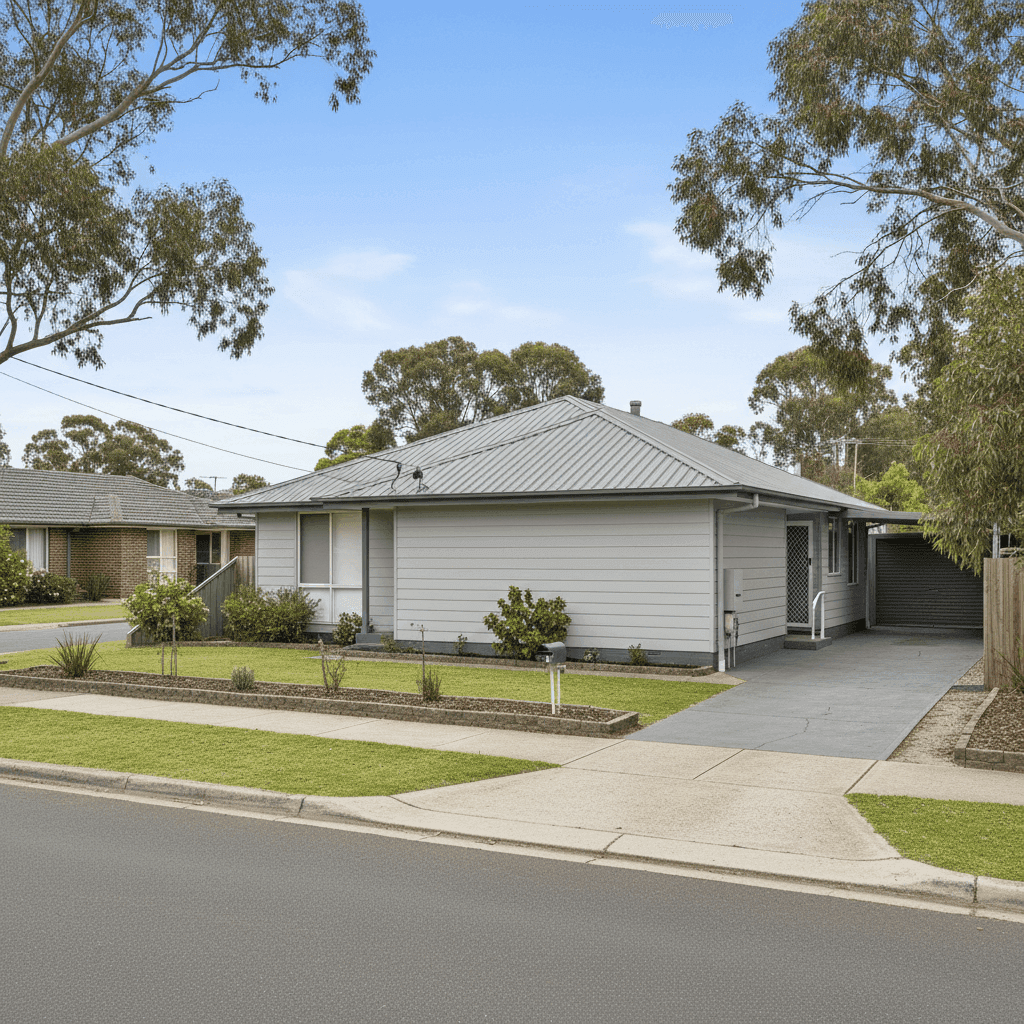
If you own or are considering insuring a semi detached home in Lurnea, NSW 2170, you're in the right place. This article breaks down a real home and contents insurance quote for a two-bedroom, one-bathroom semi detached property in Lurnea — and compares it against what others in the suburb, across New South Wales, and nationally are paying. Whether you're renewing your policy or shopping around for the first time, understanding what a fair premium looks like can save you hundreds of dollars a year.
---
Is This Quote Fair?
The short answer: yes — and then some.
This particular quote came in at $1,373 per year (or $132 per month) for combined home and contents cover, with a building sum insured of $300,000 and contents valued at $10,000. Both the building and contents excess are set at $2,000.
CoverClub's pricing engine rates this quote as CHEAP — below average for the area. That's a meaningful distinction. A "cheap" rating doesn't mean the cover is substandard; it simply means the premium is lower than what most comparable properties in Lurnea are attracting. For a homeowner on a budget, that's genuinely good news.
To put it in perspective: the suburb average premium in Lurnea sits at $2,512 per year, meaning this quote is roughly 45% below the local average. Even against the suburb's 25th percentile — the cheapest quarter of quotes — at $1,775 per year, this policy still comes in well under. That's a notable saving by any measure.
---
How Lurnea Compares
Lurnea sits within the Fairfield Local Government Area, a diverse and established part of south-western Sydney. When you zoom out and look at the broader pricing landscape, the suburb holds up well for affordability.
Here's how the numbers stack up:
| Benchmark | Annual Premium |
|---|---|
| This Quote | $1,373 |
| Lurnea Suburb Average | $2,512 |
| Lurnea Suburb Median | $1,935 |
| Lurnea 25th Percentile | $1,775 |
| Lurnea 75th Percentile | $2,606 |
| Fairfield LGA Average | $3,071 |
| NSW State Average | $3,801 |
| NSW State Median | $3,410 |
| National Average | $2,965 |
| National Median | $2,716 |
The gap between this quote and the NSW state average of $3,801 is striking — a difference of over $2,400 annually. Even against the national average of $2,965, this policy is less than half the price.
It's worth noting that the NSW state insurance market has been under significant pricing pressure in recent years, driven by flood events, storm claims, and reinsurance costs. Lurnea, by comparison, appears to attract more moderate premiums — you can explore Lurnea's suburb-level stats and see how the full distribution of quotes looks. For a broader picture, the national stats page offers useful context across all states and territories.
---
Property Features That Affect Your Premium
Several characteristics of this property likely contribute to its competitive premium. Let's unpack the key ones:
Hardiplank / Hardiflex Cladding
The external walls are constructed from Hardiplank (Hardiflex) — a fibre cement cladding product that's widely used across Australian residential construction. It's non-combustible, resistant to termites, and holds up well in wet conditions. Insurers generally view fibre cement cladding favourably compared to timber weatherboard, which can increase fire risk ratings.
Steel / Colorbond Roof
A Colorbond steel roof is one of the most insurer-friendly roofing materials available in Australia. It's durable, fire-resistant, and low-maintenance. Compared to older tile roofs or heritage materials, Colorbond typically attracts lower premiums and fewer claim-related complications.
Stump Foundation
The property sits on stumps, which is common in older-style homes and some semi detached builds. Stump foundations can be a double-edged sword — they allow for good underfloor ventilation and easier access for repairs, but they can also be susceptible to movement or pest damage over time. Insurers may factor this in, though the impact on premium varies.
Timber / Laminate Flooring
Timber and laminate floors are standard in many Australian homes. They can be costly to repair or replace after a water damage event, but they don't typically push premiums significantly higher on their own.
Ducted Climate Control
The presence of ducted climate control adds to the replacement value of the home's fixtures and fittings. This is a meaningful inclusion — ducted systems can cost $10,000–$20,000 or more to replace — and it's worth ensuring your sum insured reflects this.
No Pool, No Solar Panels
The absence of a swimming pool and solar panels keeps the risk profile relatively simple. Pools introduce liability considerations, and solar panels — particularly older systems — can raise concerns around electrical faults and roof penetrations. Neither applies here, which likely helps keep the premium lean.
Construction Year: 2004
A property built in 2004 benefits from relatively modern building codes without being so new that replacement costs are at a premium. It's a sweet spot for insurers.
---
Tips for Homeowners in Lurnea
Whether you're sticking with your current insurer or exploring alternatives, here are four practical steps to make sure you're getting the best value:
- Review your sum insured annually. Building costs have risen sharply across Australia over the past few years. A sum insured of $300,000 may have been appropriate at policy inception, but it's worth running a rebuild cost estimate — many insurers offer free online calculators — to confirm you're not underinsured.
- Check what your excess means for small claims. With both building and contents excesses set at $2,000, it may not be worth claiming for minor incidents. Factor this into your decision-making and consider whether a higher or lower excess makes sense for your situation.
- Bundle strategically, but compare first. Some insurers offer discounts for combining home and contents cover under one policy. However, bundling isn't always the cheapest option — always compare the combined price against separate policies before committing.
- Keep records of your contents. A contents sum insured of $10,000 is on the lower end for most households. Take a room-by-room inventory of your belongings — electronics, appliances, clothing, furniture — and make sure your cover reflects their actual replacement value. Underinsuring contents is one of the most common mistakes Australian homeowners make.
---
Compare Your Quote Today
Premiums in Lurnea can vary significantly from one insurer to the next — as this analysis shows, the difference between the cheapest and most expensive quotes can exceed $1,200 per year for similar properties. The best way to know whether you're getting a fair deal is to compare.
Get a home insurance quote at CoverClub and see how your premium stacks up against real data from your suburb, your LGA, and across New South Wales. It takes just a few minutes and could save you a meaningful amount at renewal time.