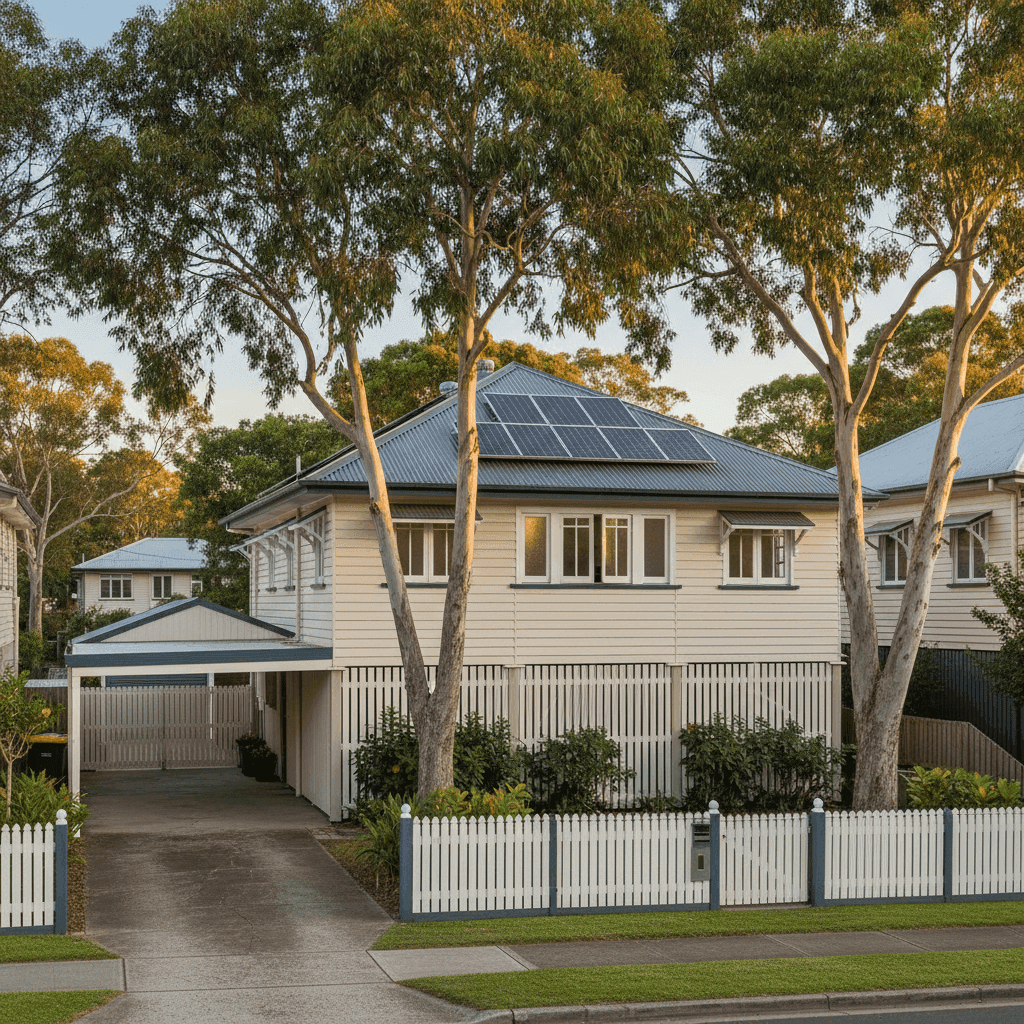
Lutwyche is a well-established inner-northern suburb of Brisbane, known for its character homes, tree-lined streets, and proximity to the CBD. For owners of a four-bedroom, free-standing home in this postcode, understanding what drives your insurance premium — and whether you're paying a fair price — can make a significant difference to your household budget. This article breaks down a real home and contents insurance quote for a property in Lutwyche QLD 4030, compares it against local, state, and national benchmarks, and offers practical advice for getting better value on your cover.
---
Is This Quote Fair?
The quote in question comes in at $14,175 per year (or $1,358/month) for combined home and contents insurance, covering a building sum insured of $1,500,000 and contents valued at $200,000, each with a $1,000 excess.
Our price rating for this quote is EXPENSIVE — above average. That's not a label we apply lightly. To understand why, it helps to look at the numbers in context.
The suburb average premium for Lutwyche sits at just $3,406 per year, with a median of $3,364. The quote analysed here is more than four times that suburb average. Even accounting for the fact that this property carries a significantly higher building sum insured ($1.5 million) and a generous contents value, the gap is substantial.
It's worth noting that the Brisbane LGA average premium is $16,277 per year — so relative to other Brisbane properties at the higher end of the market, this quote is actually tracking below the LGA average. This suggests the premium is being driven largely by the high replacement value of the building, which is not unusual for a large, older character home with premium finishes.
Still, for most homeowners in Lutwyche, this level of premium would represent a significant outlay, and it's worth exploring whether the sum insured is appropriately calibrated and whether alternative insurers might offer more competitive pricing for the same level of cover.
---
How Lutwyche Compares
Putting this quote into a broader geographic context reveals some interesting contrasts:
| Benchmark | Annual Premium |
|---|---|
| This Quote | $14,175 |
| Lutwyche Suburb Average | $3,406 |
| Lutwyche Suburb Median | $3,364 |
| Brisbane LGA Average | $16,277 |
| QLD State Average | $9,129 |
| QLD State Median | $3,903 |
| National Average | $5,347 |
| National Median | $2,764 |
A few things stand out here. Queensland's state average of $9,129 per year is notably higher than the national average of $5,347, largely because of the elevated risk profile across much of the state — cyclones, flooding, and severe storms all push premiums up across QLD. You can explore Queensland-wide insurance data or national benchmarks to see how different regions stack up.
Lutwyche's own suburb average of $3,406 is actually well below both the QLD and national averages, suggesting that the inner-Brisbane location carries a relatively moderate base risk profile. The quote analysed here sits above the suburb norm primarily because of the high sum insured — a reflection of the property's size (268 sqm) and construction era rather than an unusually elevated risk environment.
---
Property Features That Affect Your Premium
Several characteristics of this property have a direct bearing on what insurers charge. Understanding these can help you have more informed conversations with your insurer or broker.
Weatherboard Timber Construction (1930s)
This is one of the most significant premium drivers. Weatherboard timber homes, particularly those built in the 1930s, are considered higher risk by insurers due to their susceptibility to fire, termite damage, and the general wear that comes with age. Replacement costs for period homes are also higher, as sourcing matching materials and skilled tradespeople for heritage-style repairs commands a premium.
Timber/Laminate Flooring
Timber floors in older homes can be costly to repair or replace, especially if they are original hardwood boards. This contributes to a higher building sum insured and, consequently, a higher premium.
Stump Foundation
Homes on stumps (also known as high-set or Queenslander-style foundations) can be more vulnerable to certain types of damage, including storm events and subsidence. However, they also offer some advantages in terms of flood resilience, depending on the height of the stumps and local flood mapping.
Solar Panels
This property has solar panels installed. While solar panels add value and can reduce energy costs, they also increase the replacement value of the building and introduce additional risk considerations (e.g., fire risk from inverters, storm damage to panels). Most insurers will cover solar panels under building insurance, but it's worth confirming the panels are explicitly included in your policy.
Ducted Climate Control
Ducted air conditioning systems are expensive to repair or replace and add to the overall insured value of the building. This is a common feature in larger Brisbane homes and will be factored into the building sum insured.
High Building Sum Insured ($1.5M)
A 268 sqm home in Lutwyche built to a standard finish in 1930 with modern updates could reasonably attract a high replacement cost, particularly given the size and character features. However, it's always worth using a building cost calculator to verify that your sum insured accurately reflects true replacement costs — over-insuring can mean unnecessarily high premiums, while under-insuring leaves you exposed.
---
Tips for Homeowners in Lutwyche
1. Review Your Sum Insured Carefully
The single biggest lever on your premium is the building sum insured. Use an independent building replacement cost calculator to check whether $1.5 million accurately reflects the cost to rebuild your home from scratch, including demolition, site preparation, and professional fees. Even a modest reduction in the sum insured — if justified — could meaningfully lower your annual premium.
2. Compare Multiple Insurers
Insurers price risk very differently, especially for older, character-style homes. One insurer might load heavily for weatherboard construction while another is more comfortable with it. Getting at least three to four quotes for the same level of cover is the most effective way to find a fair price. Start a comparison at CoverClub to see what's available for your property.
3. Consider a Higher Excess
Both the building and contents excess on this policy are set at $1,000. Opting for a higher voluntary excess — say $2,500 or $5,000 — can reduce your annual premium noticeably. This strategy works well if you have the financial buffer to cover a larger out-of-pocket cost in the event of a claim, and you're primarily insuring against catastrophic loss rather than minor repairs.
4. Check What's Included for Solar and Ducted Systems
Make sure your policy explicitly covers your solar panel system and ducted air conditioning for both accidental damage and storm events. Some standard policies may exclude or limit cover for these items, or require them to be listed separately. A quick call to your insurer to confirm coverage can save a nasty surprise at claim time.
---
Ready to Find a Better Deal?
Whether you're renewing your existing policy or shopping for cover for the first time, comparing quotes is the smartest move you can make. Premiums for the same property can vary by thousands of dollars between insurers — and the most expensive policy isn't always the most comprehensive one. Get a home insurance quote through CoverClub and see how your current premium stacks up. You can also explore Lutwyche suburb insurance data to see how your quote compares to others in the area.