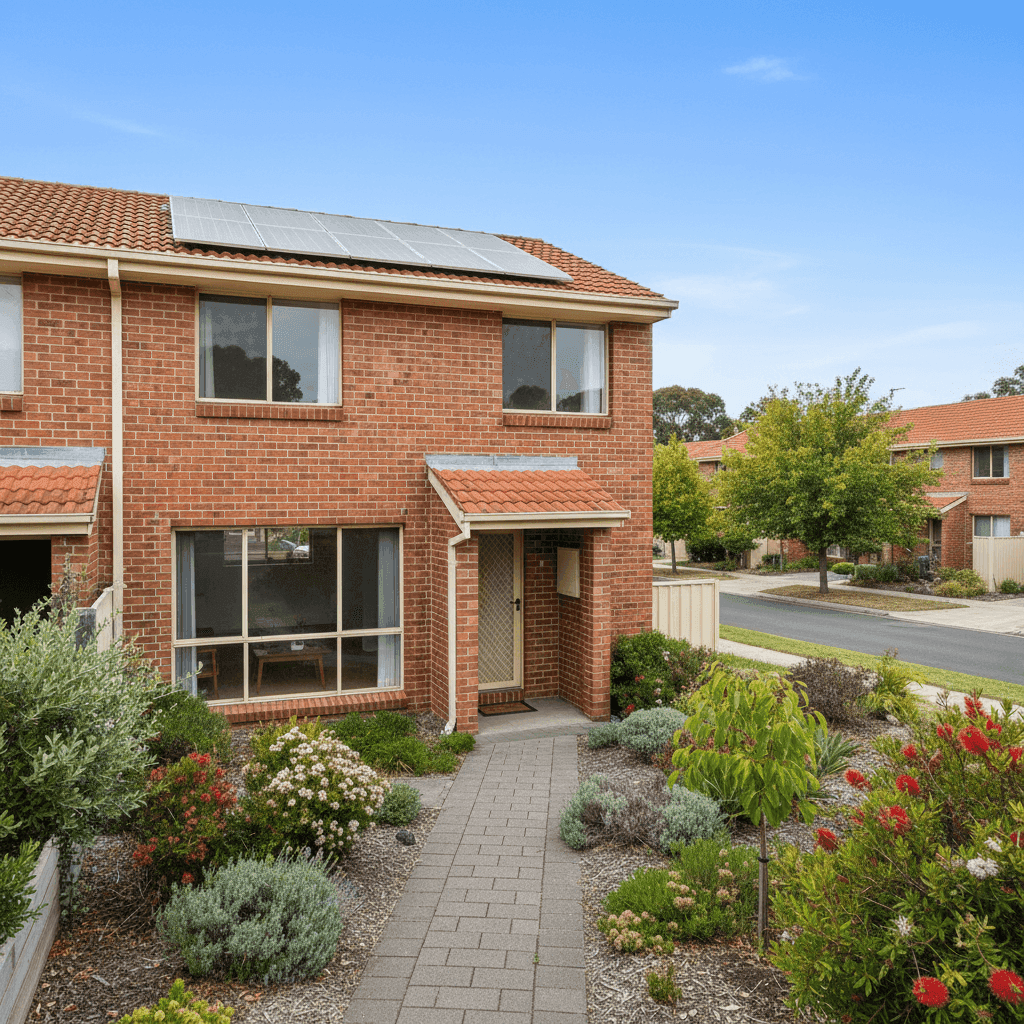
Lyneham is one of Canberra's well-established inner-north suburbs, known for its leafy streets, proximity to the city, and a solid mix of older and newer housing stock. For owners of a three-bedroom, two-bathroom townhouse in this postcode, understanding what drives your home insurance premium — and whether you're paying a fair price — can make a real difference to your household budget.
This article breaks down a real home and contents insurance quote for a brick veneer townhouse in Lyneham, compares it against local, state, and national benchmarks, and offers practical tips to help you get the best value cover.
---
Is This Quote Fair?
The quote in question comes in at $2,059 per year (or roughly $204 per month) for combined home and contents insurance, covering a building sum insured of $750,000 and contents valued at $100,000. Both the building and contents excess are set at $1,000.
Our price rating for this quote is FAIR — Around Average, and the data backs that up. The suburb average premium for Lyneham sits at $2,384 per year, meaning this quote comes in about $325 below the local average — a meaningful saving. It also sits below the suburb median of $2,372, placing it closer to the more competitive end of the market.
To put it in percentile terms: the 25th percentile for Lyneham premiums is $1,997 and the 75th percentile is $2,600. This quote lands just above the 25th percentile, suggesting the policyholder is getting a reasonably competitive rate without being at the very bottom of the market (which can sometimes indicate underinsurance or stripped-back cover).
In short — this is a solid quote. Not the cheapest available, but well below the local average and comfortably within a sensible range for the level of cover provided.
---
How Lyneham Compares
To properly contextualise this quote, it helps to zoom out and look at how Lyneham (2602) compares to the broader market.
| Benchmark | Average Premium |
|---|---|
| Lyneham (suburb) | $2,384/yr |
| ACT (state) | $2,288/yr |
| LGA (Unincorporated ACT) | $2,172/yr |
| National | $5,347/yr |
The ACT state average of $2,288 per year is notably lower than the national average of $5,347 — a dramatic difference that largely reflects the elevated premiums paid by homeowners in cyclone-prone and flood-affected regions of Queensland, Western Australia, and the Northern Territory. Canberra's relatively benign climate and low exposure to extreme weather events keeps local premiums far more manageable.
Lyneham's suburb average of $2,384 sits slightly above the ACT state average, which is consistent with the suburb's inner-city location and the higher property values typical of the inner north. The LGA average of $2,172 pulls the broader district figure down, likely reflecting a wider mix of property types and values across the territory.
For Lyneham homeowners, the takeaway is clear: you're already in one of Australia's more affordable insurance markets, but there's still meaningful variation between providers — and shopping around can save you hundreds per year.
---
Property Features That Affect Your Premium
Several characteristics of this particular townhouse have a direct bearing on the premium calculated.
Brick Veneer Walls & Tiled Roof Brick veneer construction is generally viewed favourably by insurers. It offers strong fire resistance and reasonable structural durability, which can help moderate premiums compared to timber-framed or clad alternatives. Similarly, a tiled roof is considered a lower-risk roofing material than corrugated iron in many scenarios, and it tends to hold up well in hail events — relevant even in the ACT, which does experience occasional severe hailstorms.
Slab Foundation A concrete slab foundation is standard for many Australian homes of this era and is generally considered low-risk from an insurer's perspective. It eliminates the subfloor moisture and pest concerns sometimes associated with raised timber foundations.
Construction Year: 1987 At nearly 40 years old, this townhouse sits in a bracket where insurers may factor in the age of plumbing, electrical systems, and roofing materials. Homes built in the late 1980s were constructed to older building codes, which can occasionally attract slightly higher premiums — though well-maintained properties in this bracket typically fare well.
Solar Panels The presence of solar panels adds a modest layer of complexity to home insurance. Panels represent a significant asset (often worth $5,000–$15,000 or more), and it's worth confirming with your insurer whether they are covered under the building policy, and for what events. Most standard home policies do cover rooftop solar, but the specifics vary.
Ducted Climate Control Ducted heating and cooling systems are a fixed building feature and are typically covered under the building sum insured. Given the ACT's cold winters and warm summers, this is a meaningful inclusion — just ensure your building sum insured is sufficient to cover full replacement, including the ductwork and unit.
Above-Average Fittings Above-average fittings — think quality kitchen appliances, stone benchtops, premium tapware, and upgraded flooring — contribute to a higher replacement cost, which is reflected in the $750,000 building sum insured. Underinsuring a well-appointed home is a common and costly mistake; this quote appears to account appropriately for the property's fit-out quality.
---
Tips for Homeowners in Lyneham
1. Review your building sum insured regularly Construction costs in the ACT have risen significantly over recent years. A sum insured set even two or three years ago may no longer reflect the true cost of rebuilding your townhouse to the same standard. Use a building cost calculator or speak with a quantity surveyor to sense-check your figure annually.
2. Confirm your solar panels are covered Ask your insurer explicitly whether your rooftop solar system is included in your building cover, what events are covered (storm, hail, fire, accidental damage), and whether there's a sub-limit that applies. Don't assume — get it in writing.
3. Don't over-insure your contents, but don't guess either $100,000 in contents cover is a reasonable figure for a well-furnished three-bedroom home, but it's worth doing a proper room-by-room inventory. Many Australians significantly underestimate the replacement value of their belongings — especially electronics, clothing, and white goods.
4. Compare quotes at renewal time Even if you're happy with your current insurer, premiums can shift substantially from year to year. Loyalty doesn't always pay in the insurance market. Running a comparison at renewal takes only a few minutes and could reveal savings of $200–$500 or more — as the spread between Lyneham's 25th and 75th percentile premiums clearly shows.
---
Ready to Compare?
Whether you're renewing your existing policy or insuring a new property in Lyneham, it pays to see what the market has to offer. CoverClub makes it easy to compare home and contents insurance quotes tailored to your property and circumstances — so you can make a confident, informed decision without the guesswork.