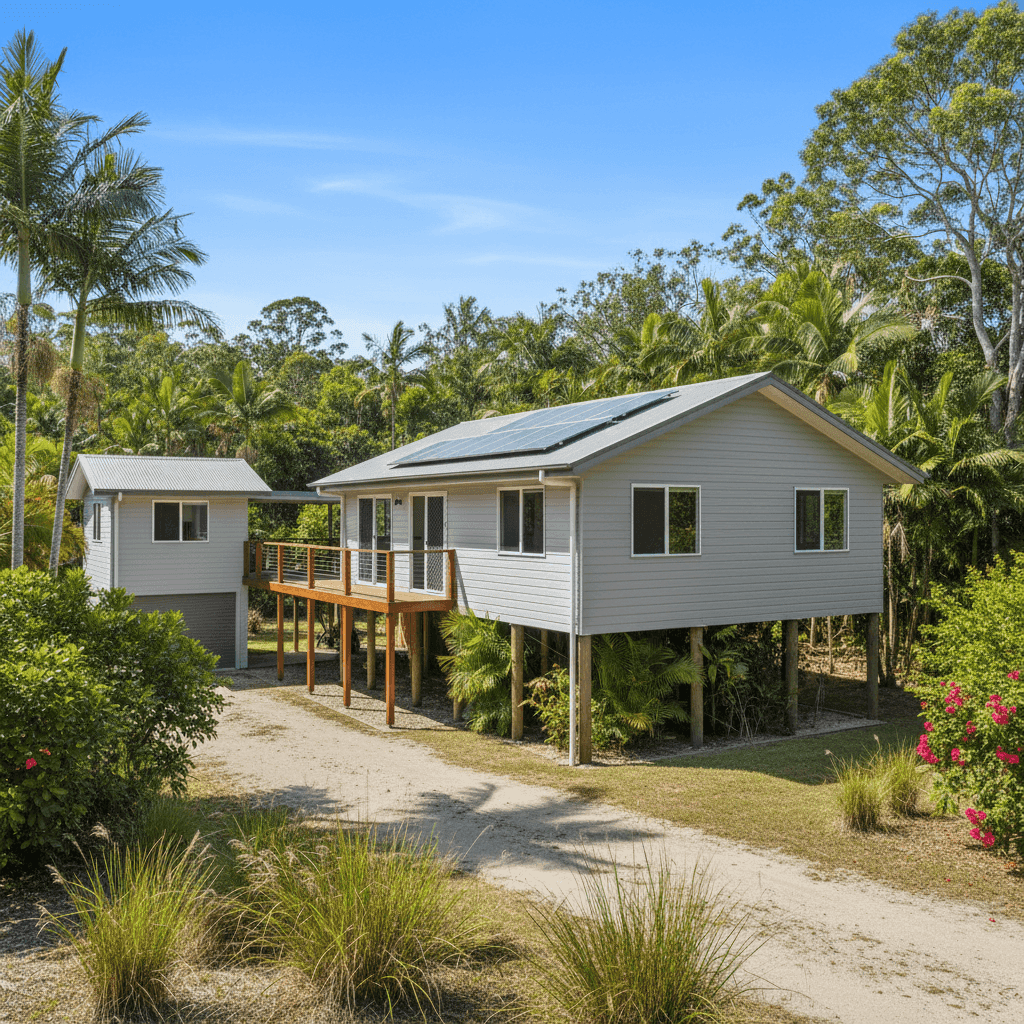
Macleay Island is a laid-back bay island community in Redland City, southeast Queensland — accessible only by ferry and beloved for its relaxed coastal lifestyle. But island living comes with its own set of insurance considerations, and understanding what you should be paying for home and contents cover is an important part of protecting your property. This article breaks down a real insurance quote for a free standing home on Macleay Island, and puts it into context with suburb, state, and national data.
---
Is This Quote Fair?
The quote in question comes in at $2,685 per year (or $257/month) for combined home and contents insurance, covering a building sum insured of $450,000 and contents valued at $70,000. Both the building and contents excess are set at $5,000.
Based on CoverClub's pricing data, this quote is rated CHEAP — below average for the area. That's a meaningful finding. In a suburb where premiums can vary significantly depending on the insurer, property characteristics, and risk profile, landing below the local average is a solid outcome for this homeowner.
To put it plainly: if you're paying around $2,685 a year for this level of cover in Macleay Island, you're doing better than most of your neighbours.
---
How Macleay Island Compares
Pricing context is everything when evaluating an insurance quote. Here's how this premium stacks up across different benchmarks:
| Benchmark | Premium |
|---|---|
| This quote | $2,685/yr |
| Suburb average (4184) | $3,341/yr |
| Suburb median (4184) | $3,209/yr |
| Suburb 25th percentile | $2,686/yr |
| Suburb 75th percentile | $3,922/yr |
| LGA average (Redland) | $3,312/yr |
| QLD state average | $4,547/yr |
| QLD state median | $3,931/yr |
| National average | $2,965/yr |
| National median | $2,716/yr |
(Based on [Macleay Island suburb insurance data](https://coverclub.com.au/stats/QLD/4184/macleay-island) from CoverClub, sample size: 14 quotes)
A few things stand out here. This quote sits almost exactly at the suburb's 25th percentile ($2,686), meaning roughly 75% of comparable quotes in the area are more expensive. It also comes in well below both the QLD state average of $4,547 and the national average of $2,965 — which is particularly notable given that Queensland premiums are typically elevated due to the state's exposure to severe weather events.
The gap between this quote and the QLD average is striking: at $4,547, the state average is nearly 69% higher than what this homeowner is paying. Even compared to the national average, this quote is about 9.5% cheaper. For a property on a bay island — which might intuitively seem like a higher-risk location — this is a competitive result.
---
Property Features That Affect Your Premium
Several characteristics of this property likely contribute to its favourable premium. Here's a breakdown of the key factors:
Construction Materials
The home features Hardiplank/Hardiflex external walls and a steel/Colorbond roof — both of which are generally viewed positively by insurers. Fibre cement cladding like Hardiflex is non-combustible and resistant to rot and moisture, while Colorbond steel roofing is durable, lightweight, and performs well in coastal and storm-prone environments. These materials can help keep premiums lower compared to older or more vulnerable construction types.
Stump Foundation
Built on stumps (a common construction method in Queensland), this home has good airflow underneath and some natural resilience to minor flooding events. However, stump foundations can also be a factor insurers assess for stability and flood risk, so it's worth ensuring your policy adequately covers any flood-related scenarios relevant to island living.
Modest Size and Configuration
At 77 square metres, this is a compact home with one bedroom and two bathrooms. Smaller homes generally cost less to rebuild, which directly influences the building sum insured and, in turn, the premium. The $450,000 sum insured reflects rebuild costs rather than market value — and for a well-constructed, modest-sized home, this figure appears reasonable.
Solar Panels
The presence of solar panels adds some value to the property and is worth noting on your policy. Most standard home insurance policies cover solar panels as part of the building, but it's always worth confirming this with your insurer to avoid any gaps in cover.
Granny Flat
This property includes a granny flat, which adds habitable space and potential rental income — but also increases the insurable value of the property. Ensuring your sum insured accounts for both the main dwelling and the granny flat is essential to avoid being underinsured.
No Pool, No Cyclone Zone
The absence of a pool removes one common source of liability and maintenance-related claims. Importantly, Macleay Island is not classified as a cyclone risk area, which is a meaningful premium reducer compared to properties further north in Queensland.
---
Tips for Homeowners in Macleay Island
Whether you're already insured or shopping around for the first time, here are some practical steps to make sure you're getting the right cover at the right price.
1. Don't Underinsure Your Granny Flat
With a granny flat on the property, it's critical that your building sum insured reflects the full rebuild cost of both structures — not just the main home. Underinsurance is one of the most common and costly mistakes homeowners make, and it can leave you significantly out of pocket after a major claim.
2. Confirm Solar Panel Coverage
Solar panels are a meaningful investment. Check your policy documents to confirm they're explicitly included in your building cover, and that the sum insured is high enough to replace them if damaged in a storm or fire.
3. Review Your Excess Strategy
Both the building and contents excess on this policy are set at $5,000 — which is on the higher end. A higher excess typically reduces your annual premium, but it also means a larger out-of-pocket cost if you need to make a claim. Consider whether this trade-off suits your financial situation, particularly given the island's exposure to storm events.
4. Compare Quotes Regularly
The insurance market shifts constantly, and loyalty doesn't always pay. With suburb premiums ranging from around $2,686 at the low end to $3,922 at the 75th percentile, there's clearly significant variation between insurers. Shopping around at renewal time — even if your current premium seems reasonable — is one of the easiest ways to keep costs in check.
---
Get a Quote for Your Macleay Island Home
Curious how your own premium compares? CoverClub makes it easy to benchmark your home insurance against real data from your suburb, your LGA, and across Queensland. Whether you're a first-time buyer or a long-time island resident, get a home insurance quote at CoverClub and see where you stand in seconds.