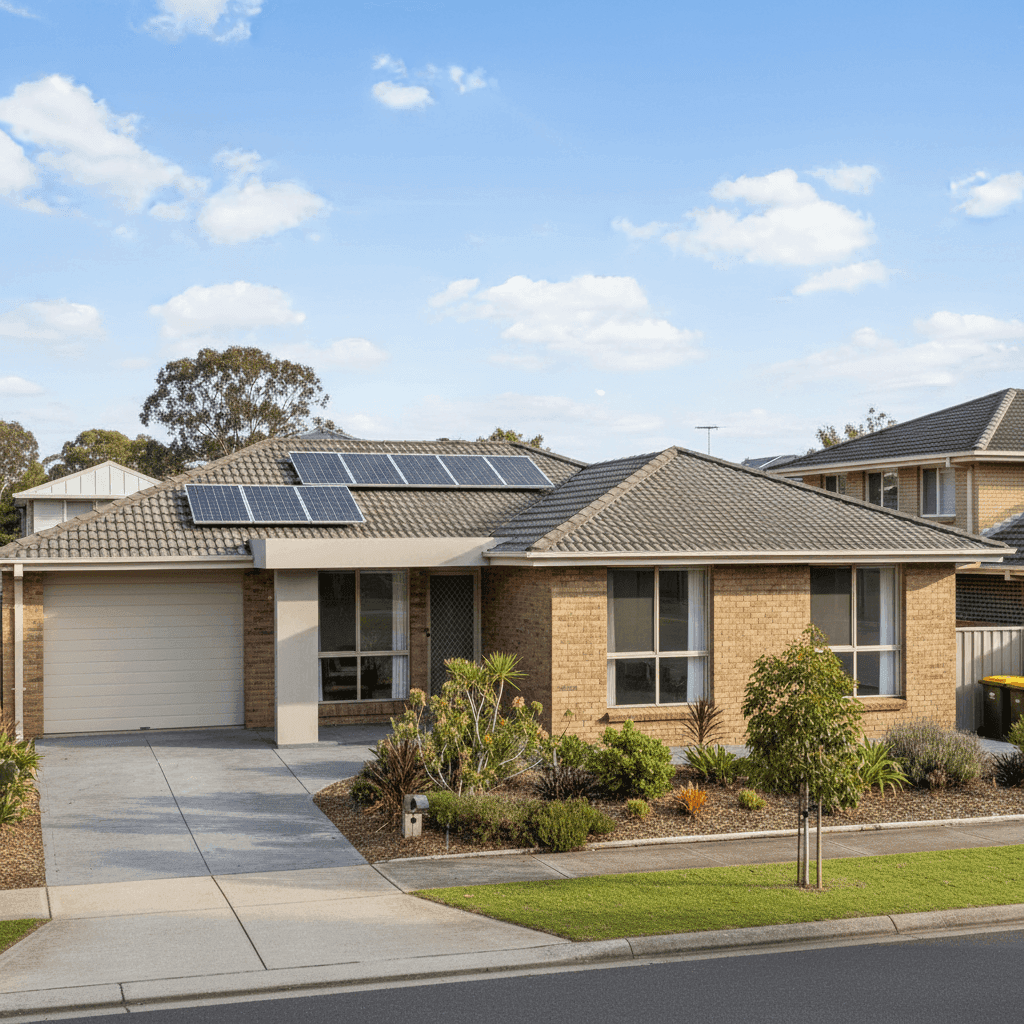
Mansfield is a well-established residential suburb in Brisbane's south-east, known for its leafy streets, family-friendly atmosphere, and mix of post-war and contemporary homes. If you own a free standing home in this pocket of Queensland, understanding what you should be paying for home and contents insurance — and why — can save you hundreds of dollars a year. This article breaks down a real insurance quote for a four-bedroom, two-bathroom brick veneer home in Mansfield (QLD 4122), compares it against local and national benchmarks, and offers practical tips to help you get the best value cover.
---
Is This Quote Fair?
The quote in question comes in at $1,513 per year (or $155 per month) for combined home and contents insurance, covering a building sum insured of $525,000 and contents valued at $120,000. The building excess is set at $3,000, with a separate $1,000 excess applying to contents claims.
Based on CoverClub's pricing data, this quote is rated CHEAP — meaning it sits meaningfully below the average premium paid by homeowners in the same suburb. Specifically, it comes in $731 below the Mansfield suburb average of $2,244 per year and $670 under the suburb median of $2,183 per year. It also falls below the 25th percentile for the area ($1,736/yr), which means it's cheaper than at least three-quarters of comparable quotes gathered in this postcode.
For a property of this size and age, that's a strong result. The higher building excess of $3,000 likely contributes to keeping the annual premium down — insurers typically reward policyholders who are willing to absorb a greater share of smaller claims. It's worth weighing whether that trade-off suits your financial situation before committing.
---
How Mansfield Compares to the Rest of Queensland and Australia
To appreciate just how competitive this quote is, it helps to zoom out and look at the broader pricing landscape.
| Benchmark | Average Premium | Median Premium |
|---|---|---|
| Mansfield (QLD 4122) | $2,244/yr | $2,183/yr |
| Brisbane LGA | $16,277/yr avg | — |
| Queensland (State) | $9,129/yr avg | $3,903/yr |
| National | $5,347/yr avg | $2,764/yr |
A couple of things stand out here. First, the Brisbane LGA average of $16,277 per year is extraordinarily high — this figure is heavily skewed by flood-prone and high-risk areas within the greater Brisbane region, where premiums can be eye-watering. Mansfield's own suburb average of $2,244 is far more modest, suggesting the postcode carries a comparatively lower risk profile.
Second, Queensland's state average of $9,129 per year reflects the significant weight of cyclone-affected regions in Far North Queensland, where premiums are among the highest in the country. Mansfield sits outside any cyclone risk zone, which is a meaningful advantage for local homeowners.
At the national level, the average premium of $5,347 per year and median of $2,764 per year both sit well above what Mansfield residents typically pay — reinforcing that this suburb offers a relatively affordable insurance environment by Australian standards.
You can explore detailed pricing data for this postcode at the Mansfield QLD 4122 insurance stats page, or compare it against the broader Queensland insurance landscape and national benchmarks.
---
Property Features That Affect Your Premium
Every home is different, and insurers assess a range of property characteristics when calculating your premium. Here's how the features of this particular home likely influence its pricing:
Brick Veneer Construction Brick veneer walls are generally viewed favourably by insurers. While not as robust as full double-brick, brick veneer offers solid fire resistance and durability compared to weatherboard or lightweight cladding. This tends to translate into more competitive premiums.
Tiled Roof Terracotta or concrete tiles are a common roofing choice on homes of this era and are generally considered a low-to-moderate risk by insurers. They're durable and fire-resistant, though they can be more expensive to repair or replace after storm damage than metal roofing.
Slab Foundation A concrete slab foundation is standard for homes of this age in Queensland and carries no particular premium penalty. Slab homes can be more susceptible to certain subsidence issues over time, but in a stable suburban environment like Mansfield, this is rarely a concern.
Timber and Laminate Flooring The presence of timber or laminate flooring is relevant for contents and building cover alike. These materials can be costly to replace after water damage, so it's worth ensuring your sum insured accurately accounts for the replacement cost of flooring throughout the home.
Solar Panels This property includes solar panels, which are typically covered under building insurance as a fixed installation. It's important to confirm with your insurer that your solar system is explicitly included in your building sum insured — and that the $525,000 figure is sufficient to cover reinstatement of the panels alongside the rest of the structure.
Construction Year (1973) Homes built in the early 1970s may have older electrical wiring, plumbing, and roofing materials that can increase the likelihood of certain claims. Some insurers apply a loading for older homes, so it's worth comparing quotes across multiple providers to ensure you're not being penalised unnecessarily.
No Pool, No Ducted Climate Control The absence of a swimming pool and ducted air conditioning system simplifies the risk profile slightly and removes two common sources of claims (pool-related incidents and mechanical/electrical breakdown of ducted systems).
---
Tips for Homeowners in Mansfield
1. Review Your Building Sum Insured Regularly Construction costs have risen significantly in recent years. A sum insured of $525,000 for a 214 sqm home in Brisbane's south-east is reasonable, but it's worth cross-checking against a current building cost calculator to ensure you wouldn't be underinsured in the event of a total loss. Underinsurance is one of the most common — and costly — mistakes homeowners make.
2. Confirm Solar Panel Coverage If your solar system was installed after the original policy was taken out, or if it has been upgraded, make sure your insurer is aware and that the system is covered under your building policy. Some older policies may not automatically include solar infrastructure.
3. Consider Whether Your Excess Levels Are Right for You This quote carries a $3,000 building excess — higher than many standard policies. While this helps reduce the annual premium, it means you'd need to cover the first $3,000 of any building claim out of pocket. If you'd prefer more protection for smaller claims, it may be worth requesting a quote with a lower excess to compare the premium difference.
4. Shop Around at Renewal Time Even if you're happy with your current insurer, the home insurance market is competitive. Using a comparison platform like CoverClub at renewal time takes only a few minutes and can surface meaningfully cheaper options — particularly if your circumstances have changed (new renovations, updated security, changes to contents value, etc.).
---
Compare Your Own Quote at CoverClub
Whether you're a Mansfield local or simply researching what fair home insurance looks like in Brisbane's south-east, CoverClub makes it easy to see how your current premium stacks up. Get a quote today and find out if you're paying too much — or if you've already found a great deal.