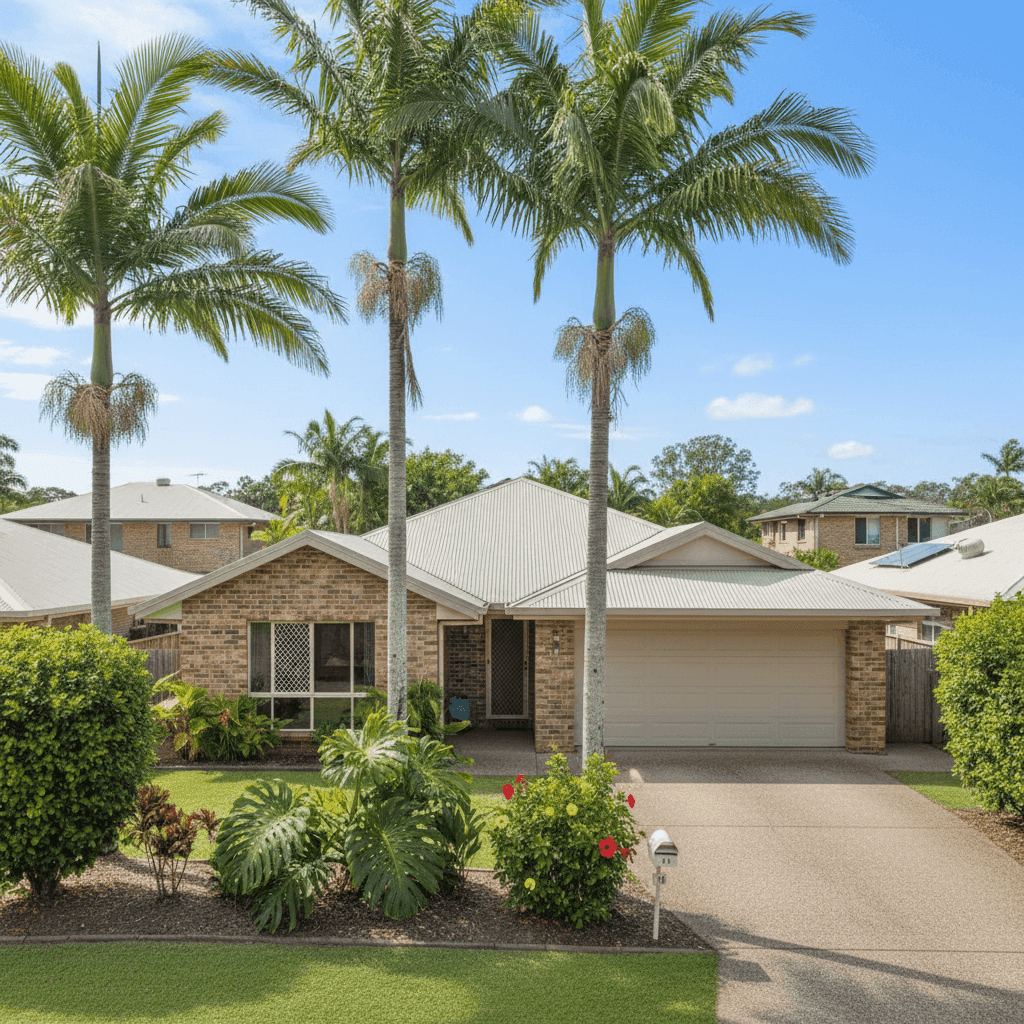
Home insurance in Far North Queensland is a topic that deserves serious attention — and if you own a property in Manunda, QLD 4870, you already know that premiums here don't come cheap. This article breaks down a real home and contents insurance quote for a four-bedroom, free-standing home in Manunda, examines how it stacks up against local, state, and national benchmarks, and offers practical advice for homeowners looking to get better value from their cover.
---
Is This Quote Fair?
The quote in question comes in at $45,874 per year (or $4,396/month) for a combined home and contents policy, with a building sum insured of $641,000 and contents cover of $50,000. Both the building and contents excess are set at $1,000.
Our price rating for this quote is EXPENSIVE — Above Average.
To put that in perspective, the suburb average for Manunda sits at just $4,486 per year, with a median of $4,250. That means this particular quote is more than ten times the local suburb average — a staggering difference that warrants a closer look.
However, context is everything. The suburb comparison data is drawn from a sample of only 9 quotes, which limits its statistical reliability. More importantly, the key driver of this premium is almost certainly the $641,000 building sum insured, which is substantially higher than what many comparable properties in the area might be insured for. A higher sum insured directly increases the cost of cover, as the insurer's maximum liability in a total loss scenario is much greater.
Still, even accounting for the elevated sum insured, this quote lands firmly in the "expensive" category and is worth scrutinising before accepting.
---
How Manunda Compares
Understanding where Manunda sits in the broader insurance landscape helps frame whether a high premium is a local anomaly or part of a wider pattern.
| Benchmark | Average Premium | Median Premium |
|---|---|---|
| Manunda (suburb) | $4,486/yr | $4,250/yr |
| Queensland (state) | $9,129/yr | $3,903/yr |
| National | $5,347/yr | $2,764/yr |
| Cairns LGA | $12,404/yr | — |
A few things stand out from this data. First, the Cairns LGA average of $12,404/yr is the most relevant regional benchmark — and it's notably high. This reflects the elevated risk profile of the entire Cairns region, where cyclone exposure, flooding, and storm surge are persistent concerns for insurers.
Second, the gap between Queensland's average ($9,129) and its median ($3,903) is enormous, suggesting that a subset of properties in the state attract very high premiums — pulling the average up significantly. Properties in cyclone-prone coastal areas like Cairns are a major contributor to that skew.
You can explore broader Queensland insurance trends and national home insurance benchmarks to see how your area compares over time.
---
Property Features That Affect Your Premium
Several characteristics of this property directly influence the cost of cover. Here's how each factor plays a role:
Cyclone Risk Area
This is arguably the single biggest premium driver. Manunda falls within a designated cyclone risk zone, and insurers price this risk heavily. Far North Queensland sits in one of Australia's most active cyclone corridors, and the potential for catastrophic wind and water damage means insurers must hold significant reserves against claims in this region. Expect cyclone risk to add a substantial loading to any policy in this postcode.
Construction Year (1980)
A home built in 1980 predates many of the modern cyclone-resistant building codes introduced in Queensland following Cyclone Tracy (1974) and later updated through the 1980s and 1990s. Older homes may be viewed as less structurally resilient by underwriters, which can contribute to higher premiums or stricter policy conditions.
Brick Veneer Walls & Colorbond Roof
Brick veneer is a moderately favourable construction type from an insurance standpoint — it offers good fire resistance and reasonable durability. A steel/Colorbond roof is also generally well-regarded, as it handles wind and rain effectively and is less prone to some of the failure modes seen in tiled roofs during high-wind events. These features may provide a modest offset against other risk factors.
Slab Foundation & Tile Flooring
A concrete slab foundation is standard and generally considered low-risk by insurers. Tile flooring is similarly neutral — durable, easy to replace, and not particularly susceptible to water damage compared to timber or carpet.
Ducted Climate Control
The presence of ducted air conditioning adds to the insured value of the home's fixtures and fittings. This system represents a meaningful replacement cost in the event of a major claim, which is reflected in the building sum insured.
Building Size: 205 sqm
At 205 square metres, this is a generously sized family home. A larger floor area means higher rebuild costs, which directly supports a higher sum insured — and therefore a higher premium.
---
Tips for Homeowners in Manunda
If you're facing a steep home insurance premium in Manunda, there are several strategies worth considering:
1. Review Your Sum Insured
The $641,000 building sum insured is the most significant lever in this quote. Make sure your sum insured reflects the actual rebuild cost of your home — not its market value, and not an inflated estimate. Use a quantity surveyor or a reputable online rebuild calculator to check whether your current figure is accurate. Over-insuring is a common and costly mistake.
2. Compare Multiple Insurers
Not all insurers price cyclone risk the same way. Some have greater appetite for properties in Far North Queensland and will offer more competitive rates. Using a comparison platform like CoverClub makes it easy to see a range of quotes side by side, so you're not leaving money on the table by sticking with the first offer you receive.
3. Consider Your Excess Level
Opting for a higher excess — say $2,500 or $5,000 — can meaningfully reduce your annual premium. If you have the financial capacity to cover a larger out-of-pocket cost in the event of a minor claim, this trade-off can make sense, particularly for a property where the primary concern is catastrophic loss (cyclone, fire) rather than small everyday incidents.
4. Invest in Cyclone Mitigation
Some insurers offer premium discounts for homes that have undergone cyclone-proofing improvements — such as installing cyclone shutters, upgrading roof fixings, or reinforcing garage doors. Given that this home was built in 1980, a professional assessment of its cyclone resilience could identify cost-effective upgrades that both protect your property and reduce your insurance costs over time.
---
Ready to Find a Better Deal?
Whether you're reviewing your existing policy or shopping for cover on a new property, comparing quotes is the fastest way to ensure you're not overpaying. CoverClub makes it simple to get multiple home and contents insurance quotes tailored to your property in Manunda. Start your free quote today and see how much you could save.
For detailed suburb-level insurance data, visit the Manunda insurance stats page.