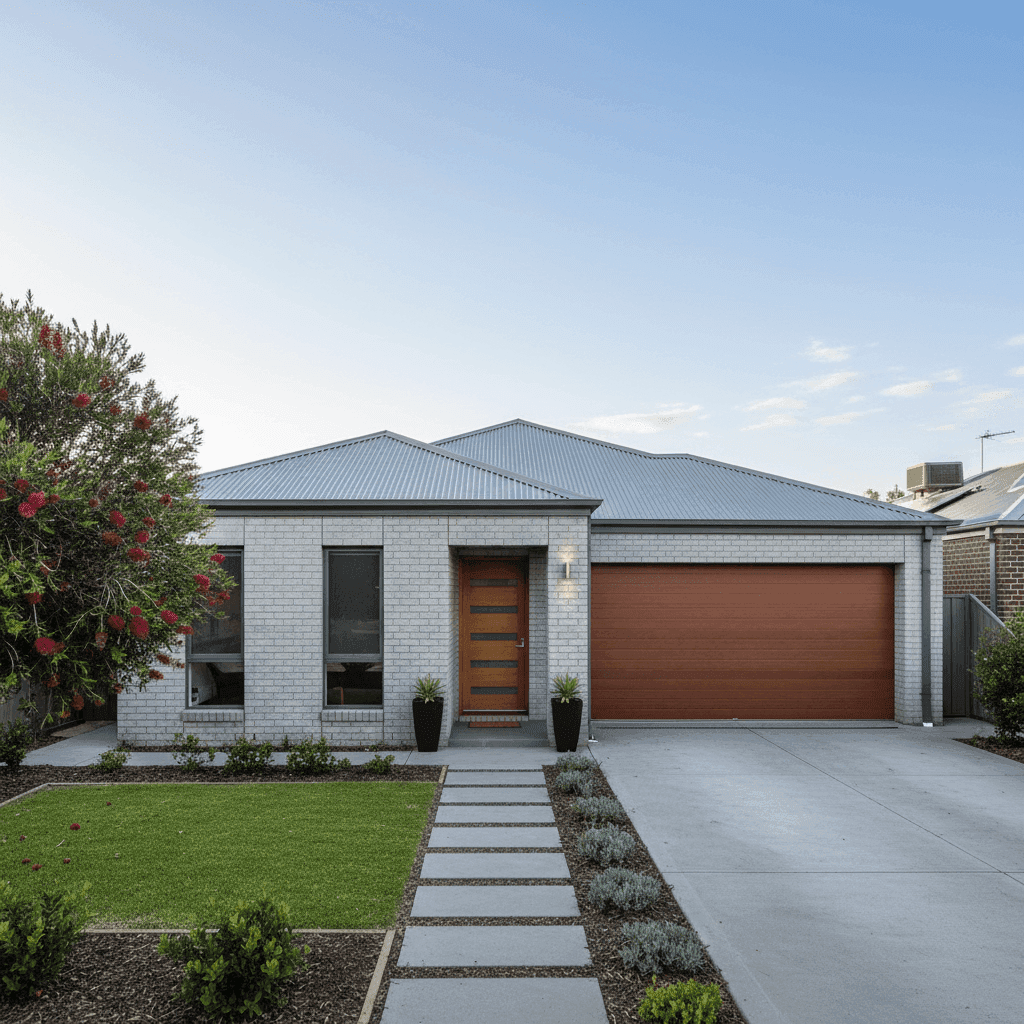
If you own a free standing home in Marden, SA 5070, you're likely paying close attention to the rising cost of home insurance. This article breaks down a real home and contents insurance quote for a three-bedroom, two-bathroom brick veneer home in Marden, compares it against local, state, and national benchmarks, and offers practical advice for keeping your premiums in check.
---
Is This Quote Fair?
The quote in question comes in at $1,700 per year (or roughly $157 per month) for combined home and contents cover, with a building sum insured of $455,000 and contents valued at $100,000. Both the building and contents excess are set at $1,000.
Our price rating for this quote is FAIR — Around Average, and the data backs that up. At $1,700 annually, this premium sits comfortably below both the SA state average and the LGA average for the Norwood Payneham and St Peters council area, while still reflecting the real cost of insuring a well-appointed suburban home.
For homeowners wondering whether they're overpaying, this quote offers reasonable value — but as we'll explore below, there's always room to compare and potentially do better.
---
How Marden Compares
Understanding where your premium sits relative to broader market data is one of the most useful tools available to homeowners. Here's how this quote stacks up:
| Benchmark | Annual Premium |
|---|---|
| This Quote | $1,700 |
| LGA Average (Norwood Payneham & St Peters) | $2,027 |
| SA State Average | $1,933 |
| SA State Median | $1,787 |
| National Average | $2,965 |
| National Median | $2,716 |
At $1,700, this quote is:
- $87 below the SA state median
- $233 below the SA state average
- $327 below the LGA average for Norwood Payneham and St Peters
- A substantial $1,265 below the national average
That's a meaningful saving compared to what many Australians are paying, particularly when you consider that the national average has climbed significantly in recent years due to increased weather events, inflation in building costs, and rising reinsurance costs.
You can explore more detailed pricing trends for this postcode at our Marden suburb stats page, or take a broader look at SA home insurance data and national home insurance statistics.
---
Property Features That Affect Your Premium
Every home is different, and insurers assess a wide range of property characteristics when calculating your premium. Here's how the features of this particular Marden home likely influence the quote:
Brick Veneer Walls
Brick veneer is one of the most common external wall materials in South Australian homes and is generally viewed favourably by insurers. It offers solid fire resistance and durability, which can help moderate your premium compared to timber-framed or clad exteriors.
Steel / Colorbond Roof
A Colorbond steel roof is a popular and practical choice across Australia. It's lightweight, durable, and performs well in a range of weather conditions. Insurers typically regard Colorbond roofing positively — it's resistant to fire, doesn't corrode easily, and holds up well in high-wind events.
Concrete Slab Foundation
Slab-on-ground construction is standard for homes built in the 2000s and is generally considered low-risk from an insurance perspective. It eliminates the underfloor space that can be a source of moisture damage or pest ingress in older homes.
Timber / Laminate Flooring
Timber and laminate floors can be a consideration in contents and building claims, as they may be more susceptible to water damage than tiles. This is worth keeping in mind if you're reviewing your contents cover or considering optional extras like accidental damage cover.
Built in 2005
A home constructed in 2005 benefits from building codes that were more stringent than those applied to older properties. This typically means better structural integrity, improved fire safety compliance, and more modern electrical and plumbing systems — all factors that can contribute to a more competitive premium.
Ducted Climate Control
The presence of ducted climate control (heating and cooling) adds value to the building and is factored into the sum insured. It's important to ensure your building sum insured adequately reflects the cost of replacing this system in the event of a total loss.
No Pool, No Solar Panels
The absence of a swimming pool removes a common liability risk, and having no solar panels simplifies the claims picture. Both factors can contribute to a cleaner, more straightforward risk profile for insurers.
---
Tips for Homeowners in Marden
Whether you're renewing your policy or shopping around for the first time, these tips are worth keeping in mind:
1. Review Your Building Sum Insured Regularly
Construction costs in South Australia have risen considerably in recent years. A sum insured of $455,000 for a 153 sqm home may be appropriate today, but it's worth recalculating your replacement cost estimate annually — especially as labour and materials costs continue to shift. Underinsurance is one of the most common and costly mistakes homeowners make.
2. Consider Your Excess Carefully
This policy carries a $1,000 excess on both building and contents. Opting for a higher excess can reduce your annual premium, but make sure it's an amount you could comfortably cover out of pocket in the event of a claim. Conversely, if cash flow is a concern, a lower excess might be worth the slightly higher premium.
3. Bundle Building and Contents Cover
This quote already combines home and contents insurance, which is a smart move. Most insurers offer a discount for bundling, and it also simplifies the claims process — particularly for incidents where both building and contents are damaged (such as a burst pipe or storm event).
4. Compare at Renewal Time
The home insurance market is competitive, and loyalty doesn't always pay. Even if your current premium feels reasonable, it's worth comparing quotes at renewal to ensure you're still getting good value. Premiums can shift significantly from year to year based on insurer risk models, reinsurance costs, and claims history in your area.
---
Ready to Compare?
Whether you're happy with your current cover or looking for a better deal, CoverClub makes it easy to see what's available for your home. Get a home insurance quote today and find out how your premium compares to other homeowners in Marden and across South Australia. A few minutes of comparison could save you hundreds of dollars a year.