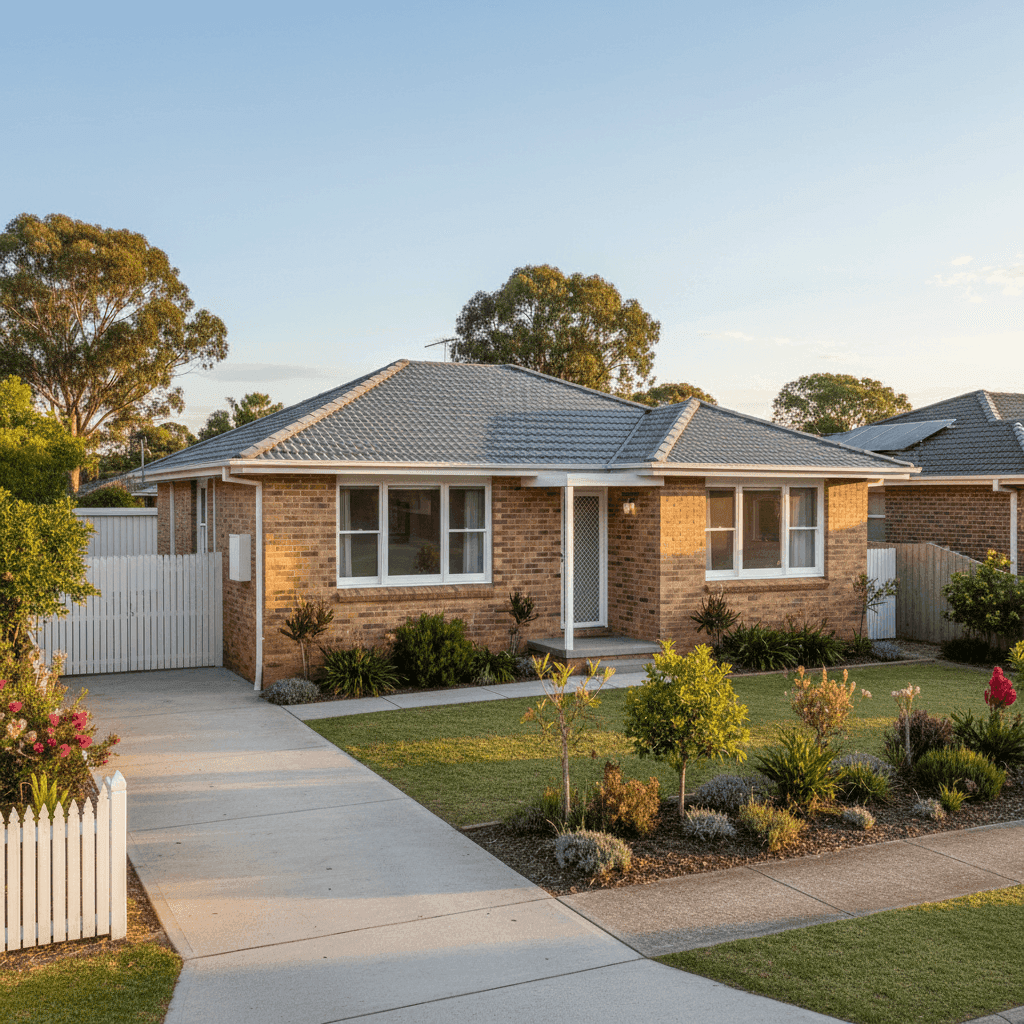
Margate is a relaxed, family-friendly suburb on the Redcliffe Peninsula, sitting about 35 kilometres north of Brisbane's CBD. With its coastal proximity, established streetscapes, and mix of older and renovated homes, it's a popular spot for owner-occupiers looking for space without the inner-city price tag. If you own a free standing home here, understanding what you should be paying for building insurance — and why — can make a real difference to your household budget.
This article breaks down a real building insurance quote for a three-bedroom, two-bathroom brick veneer home in Margate, comparing it against local, state, and national benchmarks to help you make a more informed decision.
---
Is This Quote Fair?
The annual premium on this quote comes in at $1,591 per year (or $159/month), covering building only with a sum insured of $497,000 and a $3,000 excess. CoverClub's pricing engine rates this as Fair — Around Average.
That rating holds up when you dig into the numbers. Based on 41 quotes collected for the Margate area, the suburb average sits at $2,018 per year and the median at $2,125. At $1,591, this quote lands below both of those figures — sitting closer to the 25th percentile of $1,270 than to the 75th percentile of $2,545.
In plain terms: this homeowner is paying less than most of their neighbours for comparable cover, without being at the rock-bottom end of the market where coverage gaps can sometimes appear. That's a reasonable position to be in.
It's worth noting that "Fair" doesn't mean you can't do better — it means the price is broadly in line with what the market is offering for a property with these characteristics. Shopping around could still yield savings, but you're not being significantly overcharged.
---
How Margate Compares
To put this quote in proper context, it helps to zoom out and look at how Margate stacks up against broader benchmarks.
| Benchmark | Average Premium | Median Premium |
|---|---|---|
| Margate (4019) | $2,018/yr | $2,125/yr |
| Moreton Bay LGA | $3,435/yr | — |
| Queensland | $9,129/yr | $3,903/yr |
| National | $5,347/yr | $2,764/yr |
The contrast with Queensland's state-wide average of $9,129 is striking — but that figure is heavily skewed by high-risk areas in Far North Queensland, where cyclone exposure and flooding push premiums into the tens of thousands. The state median of $3,903 is a more meaningful comparison for most QLD homeowners, and Margate still comes in well beneath it.
Against the national average of $5,347 and median of $2,764, Margate's pricing looks competitive. The suburb median of $2,125 is comfortably below the national median, reflecting the fact that Margate — while coastal — sits outside designated cyclone risk zones and doesn't carry the extreme weather loading seen in northern parts of the state.
The Moreton Bay LGA average of $3,435 is notably higher than Margate's suburb average, suggesting that other parts of the local government area carry more risk (or higher rebuild costs) than the Redcliffe Peninsula pocket. Margate homeowners are, on balance, in a relatively favourable position within the broader region.
---
Property Features That Affect Your Premium
Every home is different, and insurers price risk based on a detailed combination of construction characteristics, location factors, and the level of cover requested. Here's how this property's features likely influence its premium:
Brick Veneer Walls Brick veneer is generally viewed favourably by insurers. It offers good fire resistance and structural durability compared to timber weatherboard, which can translate into lower premiums. It's one of the most common wall types in Australian suburban homes built from the 1970s through to the 2000s.
Tiled Roof Concrete or terracotta tiles are considered a resilient roofing choice. They hold up well in storms and have a long lifespan, making them a lower-risk option from an underwriting perspective compared to corrugated iron or older fibrous cement sheeting.
Slab Foundation A concrete slab foundation is standard for homes of this era in Queensland and is generally considered low-risk. It provides a stable base and reduces the likelihood of subsidence or pest-related structural damage compared to older pier-and-beam constructions.
Construction Year: 1986 Homes built in the mid-1980s fall into an interesting category. They're old enough that some components (wiring, plumbing, roofing) may be approaching the end of their service life, but they were built under stricter standards than many pre-1970s homes. Insurers may factor in age-related wear, but it's rarely a major premium driver on its own.
130 sqm Building Size At 130 square metres, this is a modest but practical footprint for a three-bedroom home. The $497,000 sum insured equates to roughly $3,823 per square metre — a reasonable rebuild estimate for a brick veneer home with standard fittings in southeast Queensland.
No Pool, Solar Panels, or Ducted Climate Control The absence of these features keeps the risk profile clean. Pools add liability considerations, solar panels introduce electrical complexity, and ducted systems can be expensive to repair. None of these apply here, which likely contributes to the below-average premium.
---
Tips for Homeowners in Margate
1. Review your sum insured annually Building costs in southeast Queensland have risen significantly over the past few years due to labour shortages and material price increases. A sum insured set a few years ago may no longer reflect the true cost of rebuilding your home. Use a building cost calculator or speak to a quantity surveyor to make sure you're not underinsured.
2. Consider your excess carefully This quote carries a $3,000 building excess. A higher excess generally means a lower premium, but it also means a larger out-of-pocket cost when you make a claim. Think about whether you could comfortably cover $3,000 in an emergency — if not, it may be worth requesting a lower excess option.
3. Don't ignore contents cover This policy covers the building only. If your furniture, appliances, and personal belongings aren't covered under a separate contents policy, a single event — a burst pipe, a break-in, or a storm — could leave you significantly out of pocket. Many insurers offer combined building and contents packages that can be more cost-effective than two separate policies.
4. Compare at renewal time Insurers often reserve their best rates for new customers. If you've been with the same provider for several years without reviewing your options, there's a reasonable chance you're paying more than you need to. CoverClub makes it straightforward to compare quotes across multiple insurers in one place.
---
Ready to Compare?
Whether you're reviewing an existing policy or shopping for the first time, it pays to see what the market is actually offering for your property. Get a home insurance quote through CoverClub and find out how your premium stacks up — it only takes a few minutes, and you might be surprised by what you find.