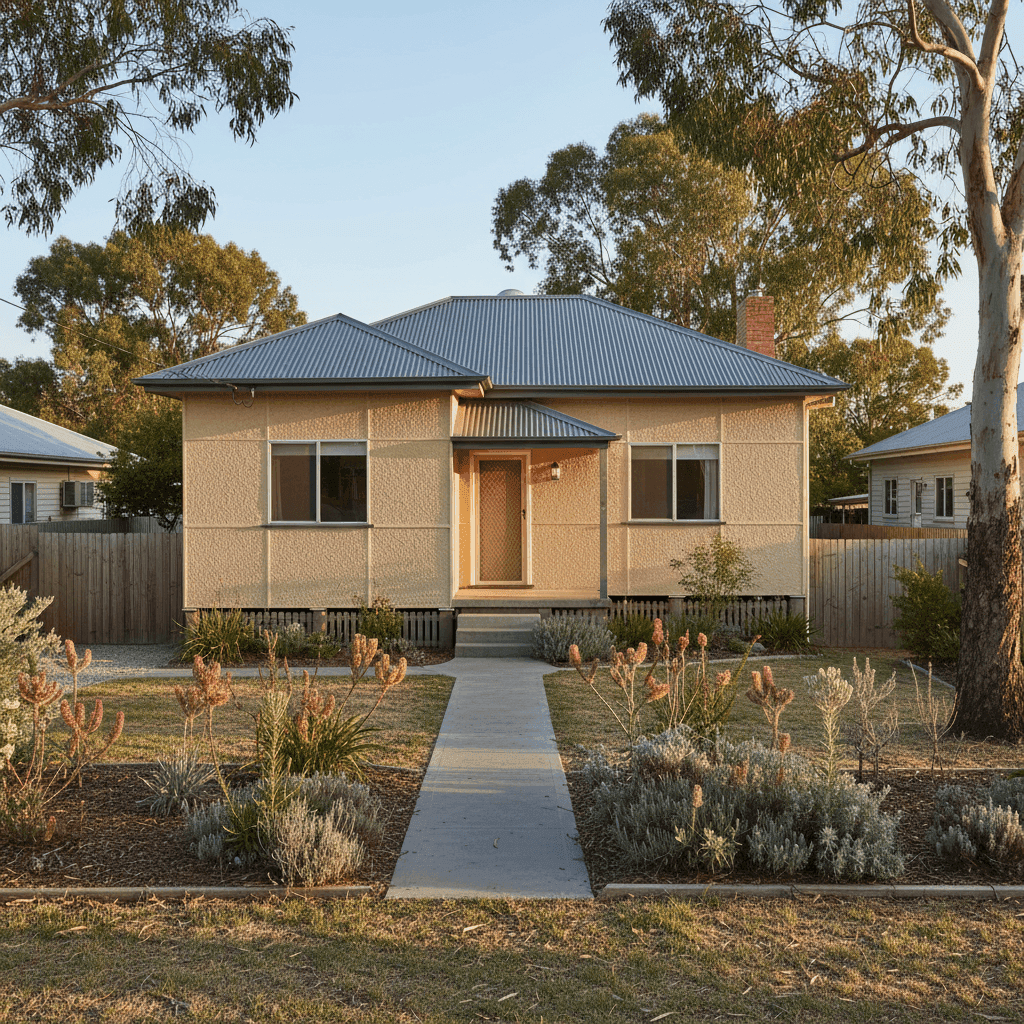
If you own a free standing home in Marks Point, NSW 2280, you already know it's one of the more relaxed corners of the Lake Macquarie region — a quiet lakeside suburb with a loyal community of long-term residents. But when it comes to home insurance, this postcode tells a surprisingly complex story. In this article, we break down a real building insurance quote for a 2-bedroom, 2-bathroom free standing home in Marks Point, compare it against local, state, and national benchmarks, and share practical tips to help you get the best value cover.
---
Is This Quote Fair?
The quote in question is $6,107 per year (or $578/month) for building-only cover, with a sum insured of $403,000 and a building excess of $5,000.
Our rating for this quote is FAIR — Around Average.
At first glance, $6,107 might seem steep for a modest 2-bedroom home. But when you place it in context, the picture shifts considerably. The suburb average for Marks Point sits at $12,967/year, and the suburb median is even higher at $14,472/year. Against those figures, this quote is actually sitting well below the typical price paid by homeowners in this postcode — roughly 53% below the suburb average.
That said, "fair" doesn't mean "the best available." The 25th percentile for Marks Point quotes is $4,234/year, which means roughly a quarter of comparable properties in the area are being insured for less. There is room to potentially reduce this premium further with the right insurer and policy structure.
The $5,000 building excess is on the higher end and is worth noting — while a higher excess typically helps reduce your annual premium, it also means a more significant out-of-pocket cost if you ever need to make a claim. Homeowners should weigh that trade-off carefully.
---
How Marks Point Compares
Marks Point sits in an interesting position when you stack it up against broader benchmarks. Here's a quick snapshot:
| Benchmark | Premium |
|---|---|
| This Quote | $6,107/yr |
| Marks Point Suburb Average | $12,967/yr |
| Marks Point Suburb Median | $14,472/yr |
| LGA Average (Lake Macquarie) | $11,064/yr |
| NSW State Average | $9,528/yr |
| NSW State Median | $3,770/yr |
| National Average | $5,347/yr |
| National Median | $2,764/yr |
A few things stand out here. The Marks Point suburb average ($12,967) is dramatically higher than both the NSW state average ($9,528) and the national average ($5,347). This suggests that properties in this postcode attract elevated risk assessments from insurers — likely driven by a combination of older housing stock, proximity to Lake Macquarie, and the prevalence of construction materials like fibro that require specialist consideration.
Interestingly, the NSW state median ($3,770) is considerably lower than the state average ($9,528), which indicates that a small number of high-premium properties are pulling the average upward significantly — a pattern we also see at the national level. The same dynamic plays out in Marks Point itself, where the wide spread between the 25th percentile ($4,234) and the 75th percentile ($19,551) reflects just how variable insurance costs can be, even within a single suburb.
For a deeper dive into how this postcode stacks up, visit the Marks Point insurance stats page.
---
Property Features That Affect Your Premium
Several characteristics of this particular property are likely influencing the premium — some in expected ways, others perhaps more than homeowners realise.
Fibro Asbestos External Walls
This is arguably the most significant risk factor for this property. Homes with fibro asbestos cladding — common in homes built in the 1960s across coastal NSW — are more expensive to insure because repairs or rebuilds require licensed asbestos removal, which adds substantially to reinstatement costs. Many insurers either charge a loading for this building type or apply stricter underwriting criteria. It's one of the key reasons why older homes in suburbs like Marks Point can attract premiums well above the national norm.
Construction Year: 1960
A home built in 1960 is over 60 years old. Older homes often have ageing electrical wiring, plumbing, and structural components that increase the likelihood of a claim. Insurers factor this into their pricing, particularly when combined with non-standard construction materials.
Stumps Foundation
Homes on stumps (also known as pier or post foundations) are common in older Australian homes and coastal areas. While they offer good ventilation and can perform well in flood-prone environments, they can be more vulnerable to subsidence, termite activity, and structural movement — all of which influence how insurers assess risk.
Timber and Laminate Flooring
Timber flooring, while aesthetically appealing, is more susceptible to water damage than tiles or concrete. In the event of a storm, burst pipe, or flood event, timber floors can be costly to repair or replace, and this is reflected in building sum insured calculations.
Ducted Climate Control
The presence of ducted climate control adds to the replacement value of the home, which is appropriately reflected in the $403,000 sum insured. Ducted systems are expensive to install and replace, and their inclusion in the building cover is important to ensure you're not underinsured.
Steel/Colorbond Roof
On the positive side, a steel Colorbond roof is generally viewed favourably by insurers. It's durable, fire-resistant, and performs well in high-wind conditions — a meaningful advantage in coastal NSW.
---
Tips for Homeowners in Marks Point
1. Review your sum insured regularly Building costs have risen sharply across Australia in recent years. A sum insured of $403,000 for a 105 sqm home may be appropriate today, but it's worth recalculating your rebuild cost annually — particularly given the added expense of asbestos removal if your fibro walls need to be disturbed during repairs.
2. Get multiple quotes With a suburb spread ranging from $4,234 to $19,551 per year, there's clearly significant variation in how different insurers price risk in Marks Point. Don't accept the first renewal quote you receive — compare quotes at CoverClub to see whether you can move closer to the lower end of the range.
3. Consider your excess carefully The $5,000 building excess on this policy is high. While it has likely contributed to keeping the annual premium lower, it means you'd need to absorb a substantial cost before your insurer steps in. If your financial buffer is limited, it may be worth exploring policies with a lower excess — even if the annual premium is slightly higher.
4. Document your home's condition For older homes with fibro construction, having up-to-date documentation — including an asbestos register, photos of the property's condition, and records of any recent maintenance or upgrades — can be invaluable when lodging a claim or disputing an insurer's assessment. It also demonstrates to insurers that the property is well-maintained, which can sometimes support more competitive pricing at renewal.
---
Compare Your Home Insurance Today
Whether you're reviewing an existing policy or shopping around for the first time, CoverClub makes it easy to see how your quote stacks up. With real data from properties across Marks Point and the broader Lake Macquarie region, you can make a more informed decision about your cover. Get a home insurance quote now and find out if you're paying a fair price — or if there's a better deal waiting for you.