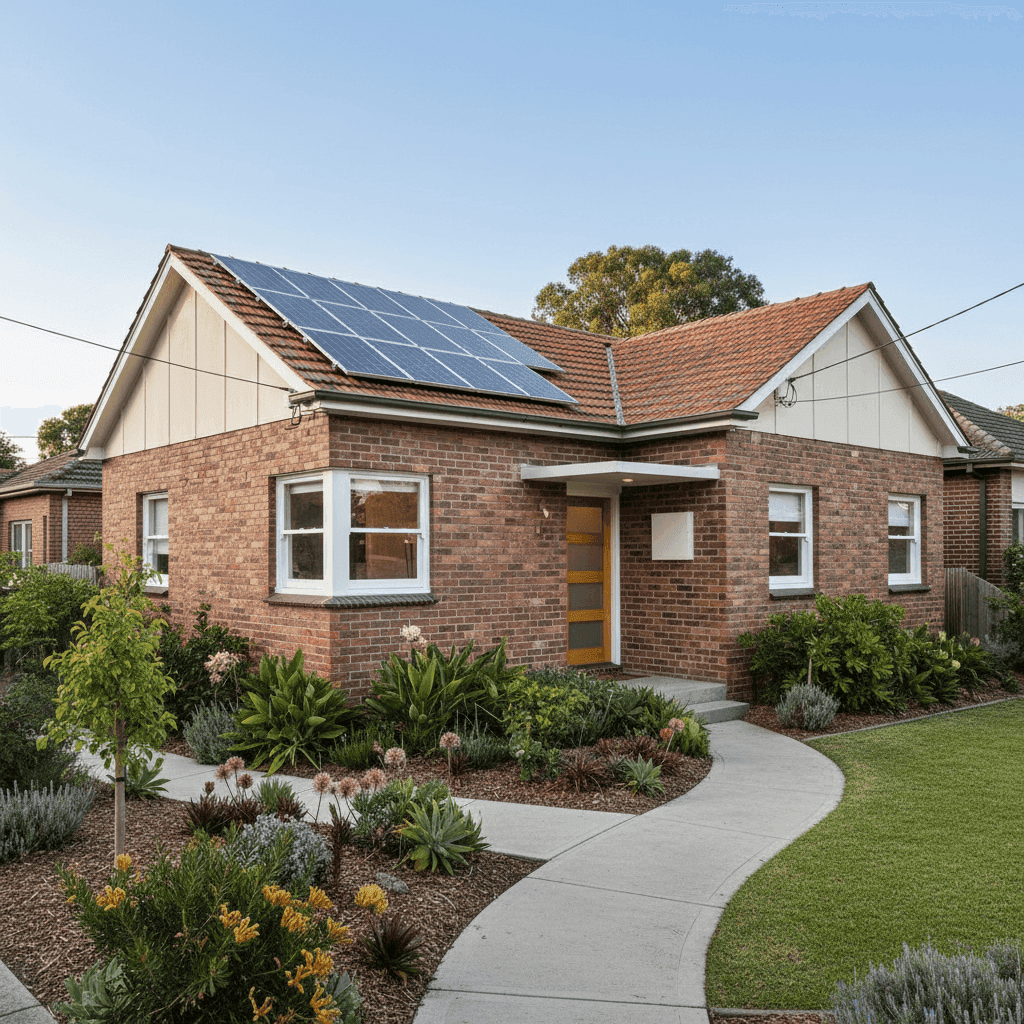
Matraville is a quiet, established suburb in Sydney's south-eastern corridor, sitting just a few kilometres from Botany Bay and the amenities of Maroubra. It's a suburb of solid, character-filled homes — many of them built in the mid-twentieth century — and that heritage shapes the cost of insuring them. This article breaks down a real home insurance quote for a four-bedroom free-standing home in Matraville (postcode 2036), comparing it against local, state, and national benchmarks to help you understand what you're paying and why.
---
Is This Quote Fair?
The quote in question comes in at $1,925 per year (or around $197 per month) for combined home and contents cover, with a building sum insured of $1,260,000 and contents valued at $249,000. Our price rating for this quote is CHEAP — below average for the area.
That's a meaningful finding. In a suburb where premiums can vary wildly depending on the insurer, the age of the home, and its construction type, landing below the local average is genuinely good news for the homeowner. The building excess sits at $3,000 and the contents excess at $1,000 — both reasonable figures that reflect a balanced trade-off between upfront risk and ongoing premium cost.
To put it plainly: for the level of cover on offer, this is a competitive quote. But "cheap" doesn't always mean "right" — it's worth understanding what's driving the price before assuming the policy ticks every box.
---
How Matraville Compares
Context is everything when it comes to insurance pricing. Here's how this quote stacks up across different comparison points:
| Benchmark | Premium |
|---|---|
| This Quote | $1,925/yr |
| Matraville Suburb Average | $4,432/yr |
| Matraville Suburb Median | $3,866/yr |
| Matraville 25th Percentile | $2,902/yr |
| NSW State Average | $9,528/yr |
| NSW State Median | $3,770/yr |
| National Average | $5,347/yr |
| National Median | $2,764/yr |
| Bayside LGA Average | $2,954/yr |
This quote sits well below the Matraville suburb average of $4,432/yr and even below the 25th percentile for the area ($2,902/yr), meaning it's cheaper than at least three-quarters of quotes collected locally. It also undercuts the NSW state average of $9,528/yr by a significant margin — though it's worth noting that the NSW average is heavily skewed by high-risk areas and large rural properties, making the median of $3,770/yr a more useful comparison point. Even against that figure, this quote holds up well.
Nationally, the average home insurance premium sits at $5,347/yr, with a median of $2,764/yr. This quote is comfortably below the national average and only modestly above the national median — impressive given the high sum insured on the building.
The Bayside LGA average of $2,954/yr is also a useful local reference point, and again, this quote comes in beneath it.
---
Property Features That Affect Your Premium
Several characteristics of this property play a direct role in how insurers price the risk. Understanding them helps you anticipate future changes and negotiate better.
Double Brick Construction
Double brick is one of the most favoured construction types among Australian insurers. It's robust, fire-resistant, and long-lasting — all qualities that reduce the likelihood of a major claim. Homes built with double brick walls typically attract lower premiums than those with timber or clad exteriors, and this property benefits from exactly that.
Tiled Roof
A tiled roof is another tick in the right column. Tiles are durable and weather-resistant, performing well in storms and offering good longevity compared to corrugated iron or Colorbond alternatives. Insurers generally view tiled roofs favourably when assessing risk.
Age of the Home (Built 1941)
Here's where things get nuanced. Homes built in the 1940s carry a certain charm — and a certain risk profile. Older properties may have ageing plumbing, original electrical wiring, or structural quirks that can increase the cost of repairs. Some insurers apply loadings to pre-war or early post-war homes, which makes it all the more notable that this quote has come in so competitively.
Stump Foundation
The home sits on stumps, which is common for properties of this era in NSW. Stump foundations can be more susceptible to movement, moisture, and pest damage over time. It's worth ensuring your policy covers damage resulting from foundation issues, as some policies have exclusions or sub-limits in this area.
Solar Panels
Solar panels are increasingly common across Australian suburbs, and Matraville is no exception. Most home insurance policies cover solar panels as part of the building sum insured, but it's worth confirming this explicitly — particularly for panels that may have been added after the original construction.
Ducted Climate Control
Ducted air conditioning systems are a significant fixed asset and typically covered under building insurance. Given the cost of these systems (often $10,000–$20,000 or more to replace), ensuring your building sum insured adequately reflects this is important.
No Pool, No Cyclone Risk
The absence of a swimming pool removes a common source of liability and maintenance-related claims. And sitting outside a designated cyclone risk zone means this property avoids the premium loadings that affect many Queensland and northern WA homes.
---
Tips for Homeowners in Matraville
1. Don't set and forget your sum insured Construction costs have risen sharply in recent years. A building sum insured of $1,260,000 may be appropriate today, but it's worth reviewing annually. Underinsurance is one of the most common — and costly — mistakes homeowners make. Use a building cost calculator or speak to a quantity surveyor if you're unsure.
2. Review what's covered for older homes Because the property was built in 1941, it's worth reading the fine print on how your insurer handles "like for like" vs "standard replacement" repairs. Some policies will replace original features (like cornices or timber floors) with modern equivalents, which may not match the original character of the home.
3. Confirm solar panel and ducted system coverage Ask your insurer directly whether your solar panels and ducted climate control system are included in the building sum insured, and whether there are any sub-limits that apply. These are easy things to overlook and expensive to discover at claim time.
4. Compare quotes regularly This quote is rated cheap relative to the local market — but insurance pricing shifts constantly. What's competitive today may not be in 12 months. Run a comparison at CoverClub each year at renewal time to make sure you're still getting value.
---
Find a Better Deal with CoverClub
Whether you're renewing your current policy or shopping for the first time, comparing quotes is the single most effective way to avoid overpaying. CoverClub makes it easy to see how your premium stacks up against others in your suburb and across Australia. Get a home insurance quote today and find out if your current insurer is giving you a fair deal — or if it's time to switch.