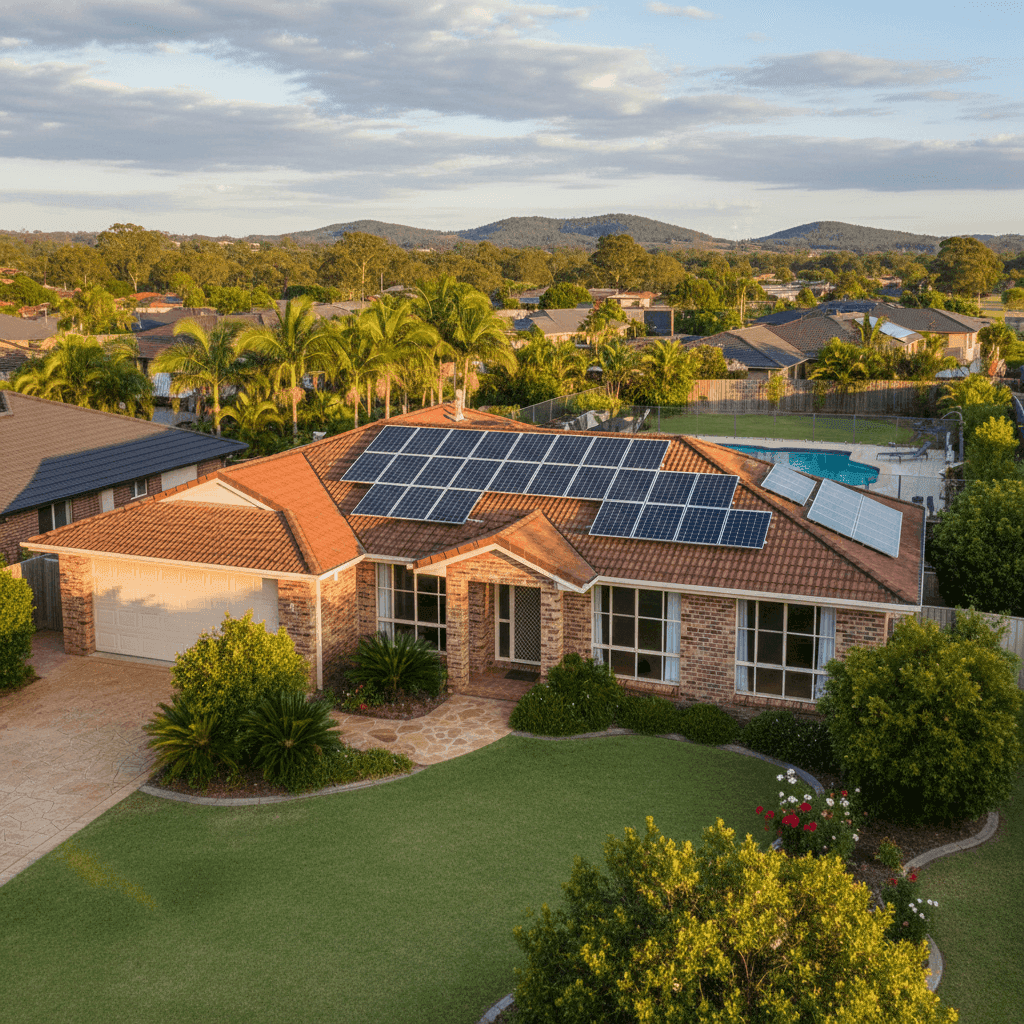
Getting a home insurance quote can feel like reading tea leaves — the number stares back at you, but it's hard to know whether it's a bargain, a rip-off, or somewhere in between. This article breaks down a real home and contents insurance quote for a four-bedroom free standing home in Maudsland, QLD 4210, putting the premium in context against suburb, state, and national benchmarks so you can make a genuinely informed decision.
---
Is This Quote Fair?
The quote in question comes in at $2,201 per year (or around $211 per month) for combined home and contents cover, with a building sum insured of $550,000 and contents valued at $100,000. Both the building and contents excess are set at $1,000.
Our price rating for this quote is FAIR — Around Average, and the data backs that up. Based on 89 quotes collected for Maudsland (postcode 4210), the suburb average sits at $2,918/yr and the median is $2,479/yr. At $2,201, this quote lands below both figures — meaning the homeowner is paying less than the majority of comparable properties in the area.
To put it in percentile terms: the 25th percentile for the suburb is $1,569/yr and the 75th percentile is $3,686/yr. A premium of $2,201 places this quote comfortably in the lower-to-middle band of the local market — not the cheapest you could find, but meaningfully better than average. For a well-appointed property with a pool and solar panels, that's a solid result.
---
How Maudsland Compares
Maudsland is something of a sweet spot when you zoom out to the bigger picture. Here's how the suburb stacks up:
| Benchmark | Average Premium | Median Premium |
|---|---|---|
| Maudsland (4210) | $2,918/yr | $2,479/yr |
| Queensland (State) | $9,129/yr | $3,903/yr |
| Australia (National) | $5,347/yr | $2,764/yr |
| Gold Coast LGA | $8,161/yr | — |
The Queensland state average of $9,129/yr is dramatically higher than what Maudsland homeowners typically pay — a reflection of the enormous variability across the state, where cyclone-prone coastal and far-north Queensland properties push averages skyward. The Gold Coast LGA average of $8,161/yr tells a similar story: waterfront and flood-exposed properties in the broader LGA pull that figure up considerably.
Maudsland, by contrast, sits inland from the coast, which helps insulate it from some of the more extreme coastal risk factors. Compared to the national average of $5,347/yr, the suburb median of $2,479/yr is well below the norm — good news for homeowners in this pocket of the Gold Coast hinterland.
---
Property Features That Affect Your Premium
Every property tells a story when it comes to insurance pricing. Here's how the key features of this home influence the quote:
Brick Veneer Walls & Tiled Roof
Brick veneer construction is well regarded by insurers for its durability and fire resistance. Paired with a tiled roof — another robust and widely accepted material — this combination typically attracts more competitive premiums than, say, weatherboard or fibrous cement cladding with a metal roof. Insurers view this pairing as lower risk for storm and fire damage.
Concrete Slab Foundation
A slab foundation is the standard for homes built in South East Queensland and is generally considered low risk by underwriters. It offers good structural stability and reduces the likelihood of subsidence or termite ingress compared to older raised timber stumps.
Timber & Laminate Flooring
Above-average quality fittings, including timber and laminate flooring, increase the replacement cost of the home — which is reflected in the $550,000 building sum insured. It's worth ensuring this figure is reviewed regularly, as construction costs have risen sharply in recent years.
Swimming Pool
A pool adds value to the property but also introduces liability considerations. Most home and contents policies include legal liability cover, which is relevant if a guest is injured on your property. Confirm your policy's liability limits are sufficient — $20 million is a common benchmark.
Solar Panels
Solar panels are an increasingly common feature in South East Queensland and are typically covered under the building section of a home insurance policy. Check that your sum insured accounts for the replacement cost of your system, particularly if it's a larger capacity installation.
No Cyclone Risk
Maudsland falls outside designated cyclone risk zones — a significant factor in keeping premiums lower than many other Queensland postcodes. Homeowners in North Queensland or coastal Far North QLD can pay multiples of what Maudsland residents pay, largely due to cyclone loading.
---
Tips for Homeowners in Maudsland
1. Review Your Sum Insured Annually
Construction costs in South East Queensland have increased significantly since 2022. A building sum insured of $550,000 for a 2002-built home with above-average fittings is reasonable, but it's worth running the numbers through a building calculator each year to avoid being underinsured at claim time.
2. Shop Around — Even If Your Current Quote Seems Fair
A "fair" rating means you're around the market average, not necessarily at the best available price. The 25th percentile for Maudsland is $1,569/yr — so cheaper options do exist for comparable properties. Comparing multiple quotes takes minutes and could save hundreds annually.
3. Consider Your Excess Strategy
Both the building and contents excess on this policy are set at $1,000. Opting for a higher excess (say, $2,000 or $2,500) can meaningfully reduce your annual premium. If you have a solid emergency fund and wouldn't claim for minor incidents anyway, a higher excess is often a smart trade-off.
4. Don't Overlook Contents Cover
$100,000 in contents cover is a common starting point, but it's easy to underestimate how much your belongings are actually worth. Do a room-by-room audit every couple of years — electronics, furniture, appliances, clothing, and jewellery add up quickly. Underinsuring contents is one of the most common mistakes homeowners make.
---
Compare Your Options with CoverClub
Whether you're reviewing an existing policy or shopping for cover on a new property, CoverClub makes it easy to see how your quote stacks up. Get a home insurance quote today and compare your premium against real data from properties in your suburb, your state, and across Australia. Knowledge is the best tool you have when it comes to protecting your home.