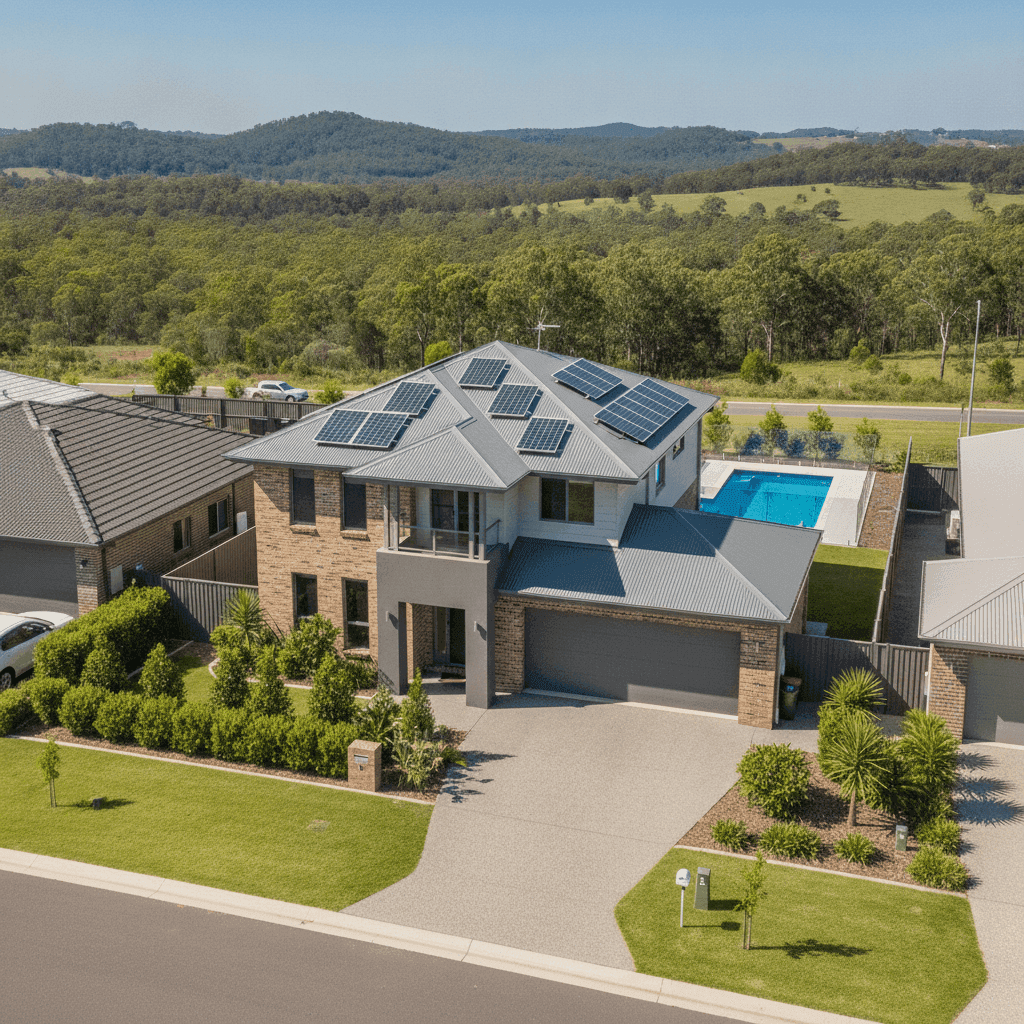
Maudsland is a quiet, leafy suburb nestled in the Gold Coast hinterland — a popular choice for families seeking space, serenity, and proximity to the coast without the hustle of beachside living. For owners of a free standing home in this area, understanding how much home insurance should cost — and whether a given quote is competitive — is an important part of protecting one of their biggest assets.
This article breaks down a real home and contents insurance quote for a four-bedroom, two-bathroom free standing home in Maudsland (postcode 4210), and puts the numbers into context using suburb, state, and national data.
---
Is This Quote Fair?
The quote in question comes in at $1,884 per year (or around $184/month) for combined home and contents cover, with a building sum insured of $650,000 and contents valued at $40,000. Both the building and contents excess are set at $5,000.
Our independent price rating for this quote is Fair — Around Average.
That rating reflects a premium that sits meaningfully below the suburb average but above the cheapest quotes available in the area. It's not a bargain-basement price, but it's also not cause for alarm — particularly given the property's features and the level of cover being provided. Homeowners who are comfortable with a higher excess in exchange for a lower base premium may find this a reasonable arrangement.
---
How Maudsland Compares
To understand whether $1,884 is genuinely competitive, it helps to look at the broader market. Here's how this quote stacks up against benchmarks at multiple levels:
| Benchmark | Premium |
|---|---|
| This quote | $1,884/yr |
| Maudsland suburb average | $2,918/yr |
| Maudsland suburb median | $2,479/yr |
| Maudsland 25th percentile | $1,569/yr |
| Maudsland 75th percentile | $3,686/yr |
| Gold Coast LGA average | $8,161/yr |
| QLD state average | $9,129/yr |
| QLD state median | $3,903/yr |
| National average | $5,347/yr |
| National median | $2,764/yr |
(Based on 89 quotes collected for the Maudsland area. See full [Maudsland suburb insurance stats](https://coverclub.com.au/stats/QLD/4210/maudsland).)
A few things stand out here. First, this quote is 35% below the suburb average of $2,918/yr and sits between the 25th and 50th percentile for the area — meaning it's cheaper than roughly half of all quotes collected locally. That's a reasonable position for a well-maintained, modern home.
Second, the gap between Queensland's state average ($9,129/yr) and this quote is striking. QLD is one of the most expensive states for home insurance in Australia, largely due to the prevalence of cyclone risk zones, flood-prone areas, and severe weather events across the state. Maudsland, however, is not classified as a cyclone risk area, which is a significant factor in keeping premiums relatively moderate compared to coastal or far-north Queensland properties. You can explore broader QLD insurance pricing trends and national benchmarks for further context.
The Gold Coast LGA average of $8,161/yr is also notably high — partly skewed by waterfront and flood-affected properties across the broader region. Maudsland's hinterland position offers some natural protection from the coastal risk factors that drive up premiums elsewhere on the Gold Coast.
---
Property Features That Affect Your Premium
Every home is different, and insurers price risk based on a detailed picture of the property. Here's how this home's characteristics likely influence its premium:
Brick Veneer Walls & Colorbond Roof This is a solid combination from an insurer's perspective. Brick veneer is a widely accepted construction type that offers good fire resistance and structural durability. Colorbond steel roofing is similarly well-regarded — it's lightweight, corrosion-resistant, and handles Australian weather conditions reliably. Homes with these materials tend to attract more competitive premiums than those with older or higher-risk construction types.
Concrete Slab Foundation A slab foundation is standard for homes of this era in Queensland and is generally viewed favourably by insurers. It reduces the risk of subsidence and pest-related structural damage compared to older raised timber foundations.
Built in 2013 A relatively modern build means the home is likely compliant with contemporary building codes, which include improved standards for wind resistance and structural integrity. Newer homes also tend to have more reliable plumbing and electrical systems, reducing the likelihood of internal water damage or fire claims.
Swimming Pool Pools add value to a property but also introduce liability considerations. Most home insurance policies include public liability cover, which is relevant if a guest or visitor is injured in or around the pool. It's worth confirming your policy's liability limits and any specific conditions around pool safety compliance.
Solar Panels Solar panels are increasingly common on Australian homes, but they do add to the replacement cost of the building. At $650,000 sum insured, it's important to ensure the building value accounts for the cost of removing and reinstalling panels in the event of a major claim.
Ducted Climate Control Ducted air conditioning systems are a significant fixed asset and are typically covered under building insurance. Again, confirming this is included in the building sum insured — rather than contents — is worth a quick check with your insurer.
Timber/Laminate Flooring Flooring type can affect contents and building claims. Timber and laminate floors can be costly to repair or replace after water damage, so it's worth understanding how your policy handles internal water ingress events.
---
Tips for Homeowners in Maudsland
1. Review your building sum insured regularly With construction costs rising across Queensland, the cost to rebuild a home has increased significantly in recent years. A $650,000 sum insured may be appropriate now, but it's worth reassessing annually — particularly given the solar panels, ducted air conditioning, and quality fittings that add to replacement costs. Underinsurance is a common and costly mistake.
2. Understand your excess before you commit A $5,000 excess on both building and contents is on the higher end. This arrangement typically results in a lower annual premium, but it means you'll need to cover the first $5,000 of any claim out of pocket. Make sure that figure is genuinely manageable for your household before accepting it as a trade-off.
3. Check your pool and liability cover Queensland has strict pool safety regulations, and insurers may have specific requirements around fencing and compliance. Ensure your policy includes adequate public liability cover — at least $10 million is standard — and that your pool area meets current safety standards to avoid any complications at claim time.
4. Compare at renewal, not just at sign-up Insurance loyalty rarely pays off. Premiums can shift significantly year to year, and the market in Maudsland shows a wide spread — from $1,569/yr at the 25th percentile to $3,686/yr at the 75th. Shopping around at each renewal is one of the simplest ways to avoid drifting into an overpriced policy without realising it.
---
Ready to Compare?
Whether you're assessing a new quote or wondering if your current policy still represents good value, CoverClub makes it easy to see how your premium stacks up. Get a home insurance quote and compare it against real data from your suburb and across Australia — so you can make a confident, informed decision.