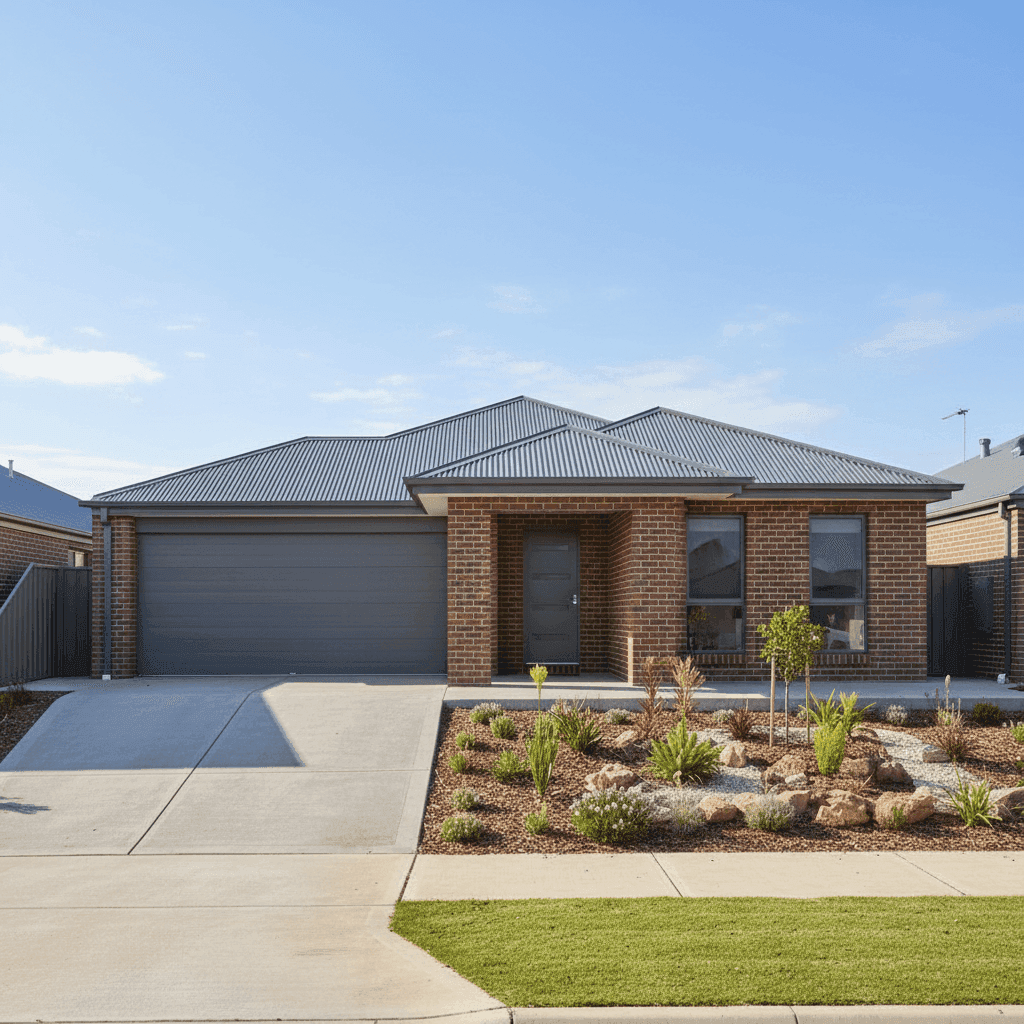
If you own a free standing home in McKail, WA 6330 — a quiet residential suburb on the outskirts of Albany in Western Australia's Great Southern region — you might be wondering whether your home insurance premium is competitive. This article breaks down a real quote for a three-bedroom brick veneer home in the area, compares it against local, state, and national benchmarks, and offers practical tips to help you get the best value cover.
---
Is This Quote Fair?
The quote in question comes in at $707 per year (or around $66 per month) for combined home and contents insurance, covering a building sum insured of $600,000 and contents valued at $50,000. The building excess is $2,000 and the contents excess sits at $1,000.
Based on CoverClub's pricing data, this quote is rated CHEAP — well below average for the area. To put that in perspective, the suburb average for McKail is $1,911 per year, meaning this premium is roughly 63% cheaper than what most homeowners in the postcode are paying. Even compared to the cheapest quarter of quotes in the suburb (the 25th percentile at $1,427/yr), this figure still comes in significantly lower.
For a homeowner looking to protect a solid brick veneer property with a Colorbond roof, this represents genuinely strong value — provided the policy terms, inclusions, and limits meet your needs. A low premium is only a good deal if the cover is adequate, so it's always worth reading the Product Disclosure Statement (PDS) carefully before committing.
---
How McKail Compares
Understanding where McKail sits in the broader insurance landscape helps put this quote into proper context. Here's a snapshot of how premiums compare across different levels:
| Benchmark | Annual Premium |
|---|---|
| This Quote | $707 |
| McKail Suburb Average | $1,911 |
| McKail Suburb Median | $1,973 |
| McKail 25th Percentile | $1,427 |
| McKail 75th Percentile | $2,326 |
| WA State Average | $2,144 |
| WA State Median | $1,944 |
| Albany LGA Average | $2,073 |
| National Average | $2,965 |
| National Median | $2,716 |
A few things stand out here. First, McKail's suburb average of $1,911 is actually below both the WA state average ($2,144) and the national average ($2,965), suggesting the Albany region is relatively affordable to insure compared to much of the country. This likely reflects the area's lower exposure to extreme weather events — McKail is not classified as a cyclone risk zone, and the region doesn't face the same bushfire or flood pressures as many other parts of Australia.
That said, the gap between this particular quote ($707) and the suburb average is striking. It underscores just how much premiums can vary between insurers for the same property — which is exactly why comparing quotes matters.
You can explore more local pricing data on the McKail suburb stats page, dig into WA state-wide insurance trends, or see how the region stacks up against national benchmarks.
---
Property Features That Affect Your Premium
Every property has a unique risk profile, and insurers weigh up a range of factors when calculating your premium. Here's how the key features of this McKail home influence its pricing:
Brick Veneer Walls Brick veneer is one of the most common external wall types in Australian suburban homes, and insurers generally view it favourably. It offers solid fire resistance and durability, which can contribute to lower premiums compared to timber-framed or weatherboard construction.
Steel / Colorbond Roof A Colorbond steel roof is considered low-maintenance and highly resilient to the elements — particularly wind and rain. It's a popular choice in WA and tends to attract competitive insurance pricing compared to older materials like terracotta tiles or fibrous cement sheeting.
Concrete Slab Foundation Slab-on-ground construction is structurally sound and widely used in post-2000 builds. It reduces the risk of subfloor moisture issues and pest damage, both of which can be costly to remediate and are factored into underwriting assessments.
Built in 2002 At around 23 years old, this home sits in a comfortable middle ground — modern enough to meet contemporary building standards (which improved significantly in the early 2000s), but not so new as to carry the premium associated with brand-new construction costs.
No Pool, Solar Panels, or Ducted Climate Control The absence of a pool removes a notable liability risk. No solar panels means no additional replacement cost for rooftop systems. And without ducted air conditioning, there's one less complex mechanical system that could fail or cause water damage. Each of these omissions subtly contributes to a cleaner risk profile.
214 sqm Building Size At 214 square metres, this is a comfortably sized family home. The $600,000 sum insured equates to roughly $2,804 per square metre — a reasonable rebuild estimate for a standard-quality brick veneer home in regional WA, though it's worth periodically reviewing this figure to keep pace with rising construction costs.
---
Tips for Homeowners in McKail
Whether you're reviewing an existing policy or shopping for cover for the first time, here are four practical steps to make sure you're getting the right deal.
1. Don't assume your sum insured is still accurate Building costs in regional WA have risen considerably in recent years. If your policy was set a few years ago, the rebuild cost for your home may now exceed your current sum insured. Use an independent building cost calculator or speak with a local builder to get an updated estimate before your next renewal.
2. Compare multiple quotes — every year The data above shows that premiums for the same property can vary by thousands of dollars between insurers. Loyalty doesn't always pay in insurance. Set a reminder to compare quotes at CoverClub each year before your renewal date.
3. Review your contents value carefully $50,000 in contents cover is a starting point, but it's easy to underestimate how much your belongings are actually worth. Walk through each room and consider furniture, appliances, clothing, jewellery, and electronics. Many homeowners find they're significantly underinsured once they do this exercise properly.
4. Consider your excess settings This policy carries a $2,000 building excess and a $1,000 contents excess. Higher excesses generally mean lower premiums, but make sure you could comfortably cover those amounts out of pocket in the event of a claim. If cash flow is a concern, it may be worth adjusting the excess to a level that better suits your financial situation.
---
Ready to See What You Could Pay?
Whether the quote above looks like a great deal or you're simply curious what other insurers would charge for a similar home, the best next step is to compare. CoverClub makes it easy to get multiple quotes side by side, so you can make an informed decision without the guesswork. Get a home insurance quote today and see how your premium stacks up.