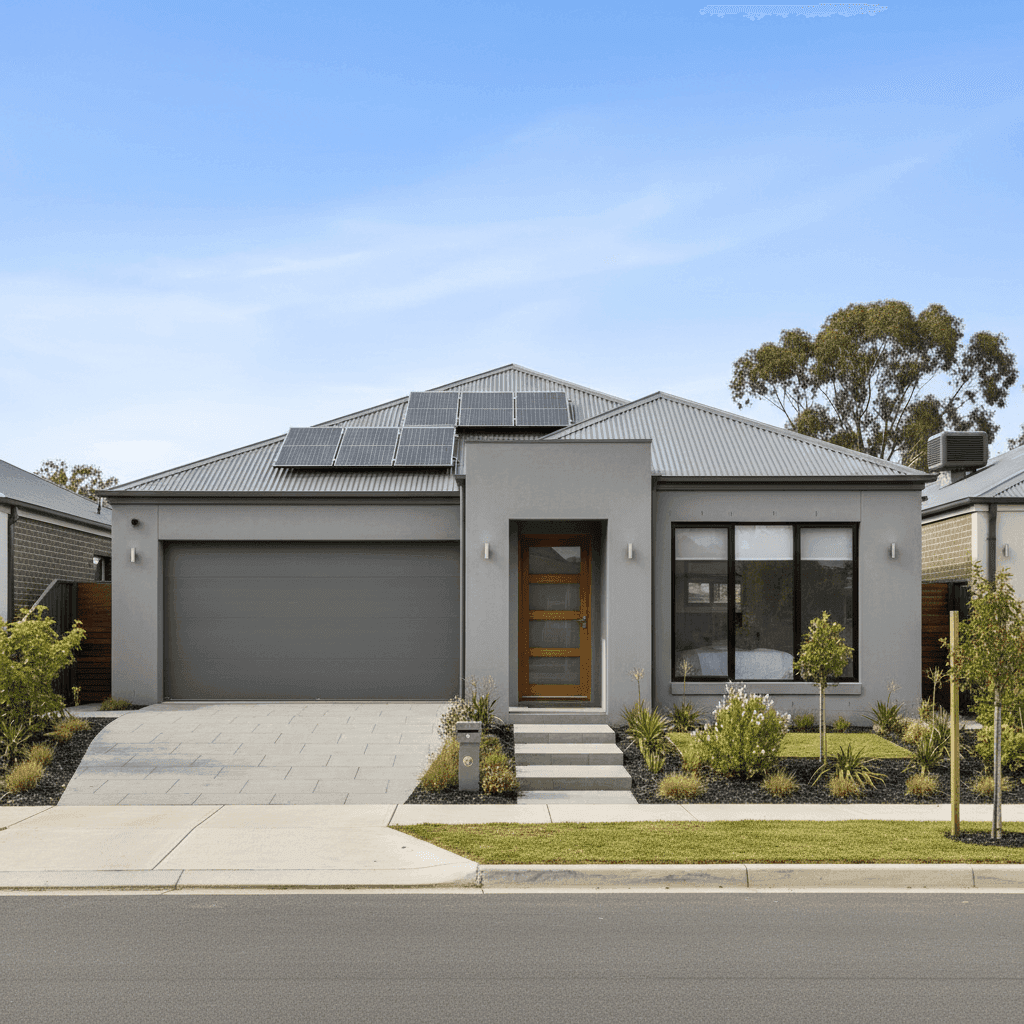
If you own a free standing home in Melbourne, VIC 3000, you already know the suburb offers a unique mix of inner-city convenience and lifestyle appeal. But what does it actually cost to insure a property here — and how does your quote stack up against your neighbours and the rest of the country? This article breaks down a real home and contents insurance quote for a 2-bedroom, 1-bathroom free standing home in Melbourne, giving you the context you need to make a confident decision.
---
Is This Quote Fair?
The quote in question comes in at $2,047 per year (or $189/month) for combined home and contents cover, with a $607,000 building sum insured and $50,000 contents cover. Both the building and contents excess are set at $1,000.
Our price rating for this quote is FAIR — Around Average, which means it sits comfortably within the typical range for this suburb, without being a standout bargain or an obvious overpay.
To put that in perspective:
- The suburb average for Melbourne 3000 is $1,884/yr, and the median sits at $1,949/yr
- This quote is roughly $98–$163 above the suburb median, placing it in the upper-middle portion of the local range
- The suburb's 75th percentile is $2,237/yr, meaning roughly three-quarters of comparable quotes in this postcode come in below this figure — and this quote falls just under that threshold
So while you're not getting the cheapest deal on the street, you're also not being stung. For a property with above-average fittings, solar panels, and ducted climate control, a modest premium above the suburb median is quite reasonable.
---
How Melbourne Compares
One of the most striking takeaways from this data is just how favourably Melbourne 3000 compares to the broader market. Explore the full Melbourne suburb insurance stats to see how premiums in this postcode have been trending.
Here's a quick snapshot:
| Benchmark | Annual Premium |
|---|---|
| This Quote | $2,047 |
| Suburb Average (Melbourne 3000) | $1,884 |
| Suburb Median | $1,949 |
| LGA (Melbourne) Average | $2,815 |
| VIC State Average | $3,000 |
| VIC State Median | $2,718 |
| National Average | $5,347 |
| National Median | $2,764 |
The numbers tell a clear story: homeowners in Melbourne 3000 are paying significantly less than the Victorian state average ($3,000/yr) and a fraction of the national average ($5,347/yr). Even compared to the broader VIC insurance market, this postcode performs well.
The national picture is particularly eye-opening — the average Australian homeowner pays more than 2.6 times what a typical Melbourne 3000 homeowner pays. Much of that national figure is skewed by high-risk regions in Queensland, Western Australia, and the Northern Territory, where cyclone, flood, and bushfire exposure drives premiums up sharply. Melbourne's relatively benign risk profile keeps costs grounded by comparison.
---
Property Features That Affect Your Premium
Every property is different, and insurers assess a range of physical characteristics when calculating your premium. Here's how the features of this particular home influence its risk profile:
Concrete External Walls Concrete construction is generally viewed favourably by insurers. It offers strong resistance to fire, impact, and structural damage, which can help keep premiums lower compared to timber-framed homes.
Steel / Colorbond Roof A Colorbond steel roof is one of the most insurer-friendly roof types in Australia. It's durable, low-maintenance, resistant to corrosion, and performs well in extreme weather. This is a positive factor in premium calculations.
Slab Foundation Concrete slab foundations are standard in many modern Australian homes and are generally considered stable and low-risk — particularly in areas without significant soil movement concerns.
Built in 2011 A relatively modern construction year works in your favour. Newer homes are typically built to higher standards, with better materials and compliance with updated building codes, reducing the likelihood of structural claims.
Solar Panels Solar panels add value to a property but also add replacement cost in the event of damage. It's important to ensure your building sum insured accounts for the full cost of reinstating your solar system — something that's easy to overlook.
Ducted Climate Control Ducted systems are a significant fixed asset and contribute to the overall replacement value of the home. Again, this underscores the importance of an accurate building sum insured.
Above-Average Fittings Higher-quality fixtures and finishes mean higher replacement costs. The $607,000 building sum insured reflects this, and it's worth reviewing periodically to ensure it keeps pace with rising construction costs.
Vinyl Flooring Vinyl is a practical, cost-effective flooring choice that's relatively straightforward to replace — a minor but positive factor in the overall risk assessment.
---
Tips for Homeowners in Melbourne
1. Review your building sum insured annually Construction costs in Victoria have risen considerably over recent years. A sum insured that was accurate two years ago may now fall short of what it would actually cost to rebuild your home from scratch. Use a building cost calculator or speak to a quantity surveyor to stay on top of this.
2. Don't overlook your solar panels Many homeowners assume solar panels are automatically covered under their standard building policy — but coverage can vary significantly between insurers. Confirm that your policy explicitly covers your solar system for both damage and theft.
3. Consider your excess carefully Both excesses on this policy are set at $1,000. Opting for a higher excess is one of the most straightforward ways to reduce your annual premium, but make sure you could comfortably cover that amount out of pocket if you needed to make a claim.
4. Compare quotes at renewal time A "fair" rating means you're not being overcharged — but that doesn't mean a better deal isn't out there. The insurance market changes constantly, and loyalty doesn't always pay. Set a reminder to compare quotes before your policy renews each year.
---
Ready to Find a Better Deal?
Whether you're reviewing your current policy or shopping for cover on a new property, comparing quotes is the single most effective way to make sure you're not paying more than you need to. Get a home insurance quote at CoverClub and see how your options stack up — it only takes a few minutes.