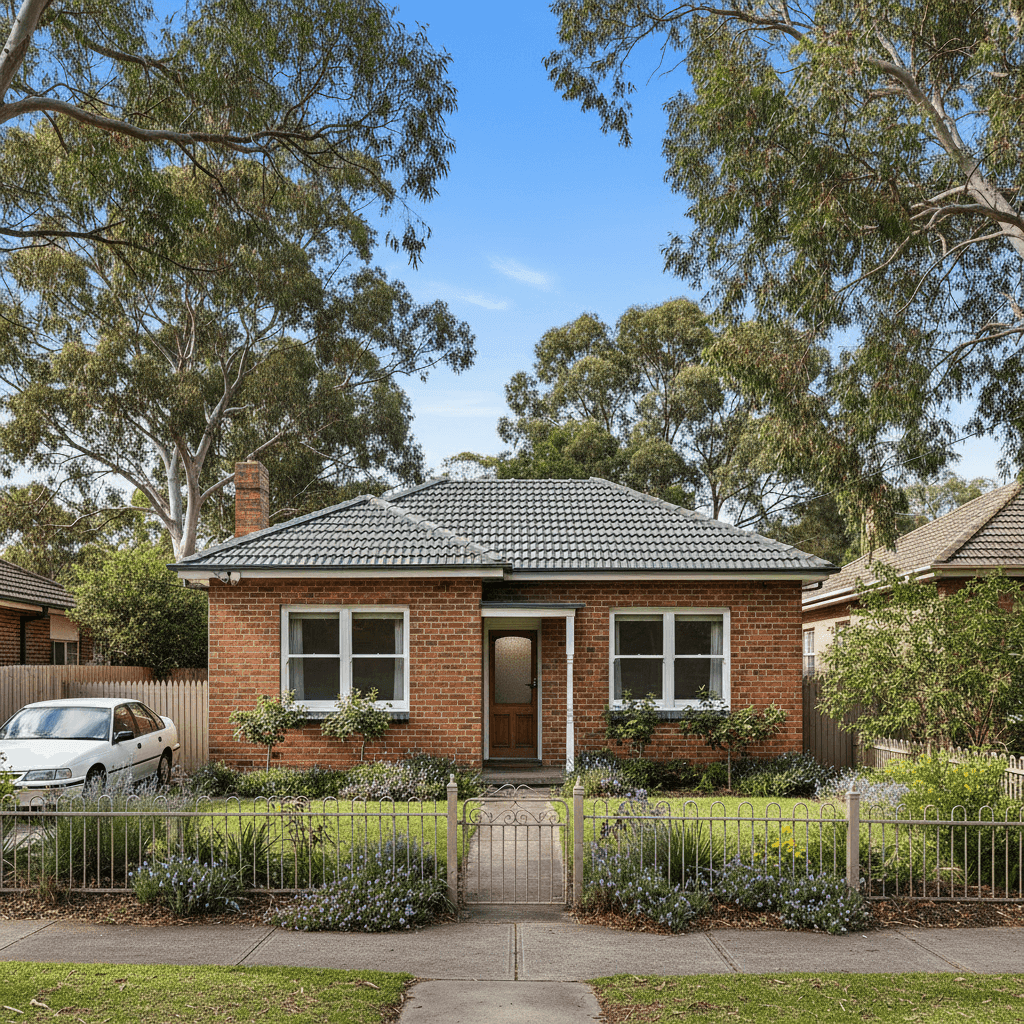
If you own a free standing home in Melbourne VIC 3000, you're living in one of Australia's most dynamic and sought-after postcodes. But with that prime location comes a real question: are you paying a fair price for your home and contents insurance? This article breaks down a recent quote for a two-bedroom brick veneer home in Melbourne, comparing it against suburb, state, and national benchmarks so you can make a truly informed decision.
---
Is This Quote Fair?
The quote in question comes in at $1,262 per year (or $124 per month) for combined home and contents cover — with a building sum insured of $376,000 and contents valued at $41,000. Both the building and contents excess are set at $1,000.
Our pricing analysis rates this quote as CHEAP — below average for the area. That's a strong result for the homeowner, and it's worth understanding why.
The suburb average premium for Melbourne 3000 sits at $1,884 per year, with a median of $1,949. This quote lands well below the 25th percentile of $1,391 — meaning it's cheaper than at least 75% of comparable quotes in the suburb. In practical terms, this homeowner is saving roughly $622–$687 per year compared to what most others in the same postcode are paying.
That's not pocket change. Over five years, that's potentially more than $3,000 in savings — without sacrificing cover.
---
How Melbourne Compares
To really appreciate how competitive this quote is, it helps to zoom out and look at the broader picture.
| Benchmark | Premium |
|---|---|
| This Quote | $1,262/yr |
| Suburb Average (Melbourne 3000) | $1,884/yr |
| Suburb Median | $1,949/yr |
| LGA (Melbourne) Average | $2,815/yr |
| VIC State Average | $3,000/yr |
| VIC State Median | $2,718/yr |
| National Average | $5,347/yr |
| National Median | $2,764/yr |
The figures paint a clear picture. This quote is not just cheap relative to the suburb — it's dramatically below the Victorian state average of $3,000 and less than a quarter of the national average of $5,347. The national average is heavily influenced by high-risk regions such as North Queensland and coastal flood-prone areas, which can push premiums into the stratosphere. By contrast, Melbourne's inner suburbs tend to benefit from lower natural disaster risk profiles.
It's also worth noting the LGA (Local Government Area) average for Melbourne sits at $2,815 — more than double this quote. Even within the same city, premiums can vary considerably depending on the specific suburb, property characteristics, and insurer.
---
Property Features That Affect Your Premium
Several characteristics of this property likely contribute to its competitive pricing. Here's how each factor plays a role:
Brick Veneer Walls
Brick veneer is one of the most common and well-regarded construction types in Australia. Insurers generally view it favourably because it offers solid fire resistance and structural durability compared to lightweight materials like weatherboard or fibrous cement. This can translate directly into lower premiums.
Concrete Roof
A concrete tile roof is considered a premium roofing material in terms of longevity and resistance to damage. Unlike colorbond or terracotta, concrete tiles are heavy and robust, which insurers tend to reward with more competitive pricing.
Slab Foundation
Built on a concrete slab, this home avoids some of the subsidence and pest-related risks associated with raised timber subfloors. Slab foundations are generally straightforward for insurers to assess and are not typically a premium loading factor.
No Pool, No Solar Panels
The absence of a swimming pool removes a notable liability risk from the equation. Pools can add to contents and liability cover costs. Similarly, while solar panels are increasingly common, they add replacement value and potential electrical risk — so not having them keeps the insured sum and risk profile leaner.
Ducted Climate Control
Ducted air conditioning is a valuable fixture that's factored into the building sum insured. It's a quality fitting that contributes to the "above average" fittings rating, which is reflected in the building cover amount rather than inflating the premium disproportionately.
Above Average Fittings Quality
Above average fittings — think quality kitchen appliances, stone benchtops, or premium bathroom fixtures — influence the rebuild cost estimate. The building sum insured of $376,000 for a 105 sqm home (roughly $3,581 per sqm) is a reasonable estimate for Melbourne, where construction costs have risen sharply in recent years.
No Cyclone Risk
Melbourne is not a designated cyclone risk area, which is a significant premium advantage. Homeowners in northern Queensland or parts of Western Australia can pay vastly more simply due to cyclone exposure. This property benefits from Melbourne's comparatively benign climate risk profile.
---
Tips for Homeowners in Melbourne
Whether you're reviewing an existing policy or shopping for the first time, here are four practical tips to help Melbourne homeowners get the best value from their home insurance.
1. Review your sum insured annually Construction costs in Victoria have risen significantly in recent years. An underinsured property can leave you seriously out of pocket after a major claim. Use a building cost calculator or speak with a quantity surveyor to ensure your sum insured reflects current rebuild costs — not what you paid for the home.
2. Don't automatically renew Loyalty doesn't always pay in insurance. Insurers often offer their best rates to new customers. Set a reminder each year to compare quotes before your renewal date — even a 15-minute comparison exercise could save you hundreds.
3. Consider your excess strategically This policy carries a $1,000 excess on both building and contents. A higher excess typically lowers your premium, which works well if you're financially comfortable absorbing smaller claims out of pocket. Conversely, if cash flow is tight, a lower excess might be worth the slightly higher premium.
4. Bundle building and contents cover As demonstrated by this quote, combining home and contents insurance under one policy often yields better value than taking out two separate policies with different providers. It also simplifies claims management — particularly useful when damage affects both the structure and your belongings simultaneously.
---
Compare Your Own Quote on CoverClub
This Melbourne property is a great example of how the right combination of property features and smart shopping can deliver genuinely competitive insurance pricing. But every home is different — and premiums can vary widely even within the same street.
CoverClub makes it easy to see how your current premium stacks up against real market data. Whether you're in Melbourne's CBD fringe or anywhere else across Australia, get a home insurance quote today and find out if you're getting the deal you deserve. You can also explore detailed suburb-level insurance statistics for Melbourne 3000 or browse Victoria-wide premium data to understand what others in your area are paying.