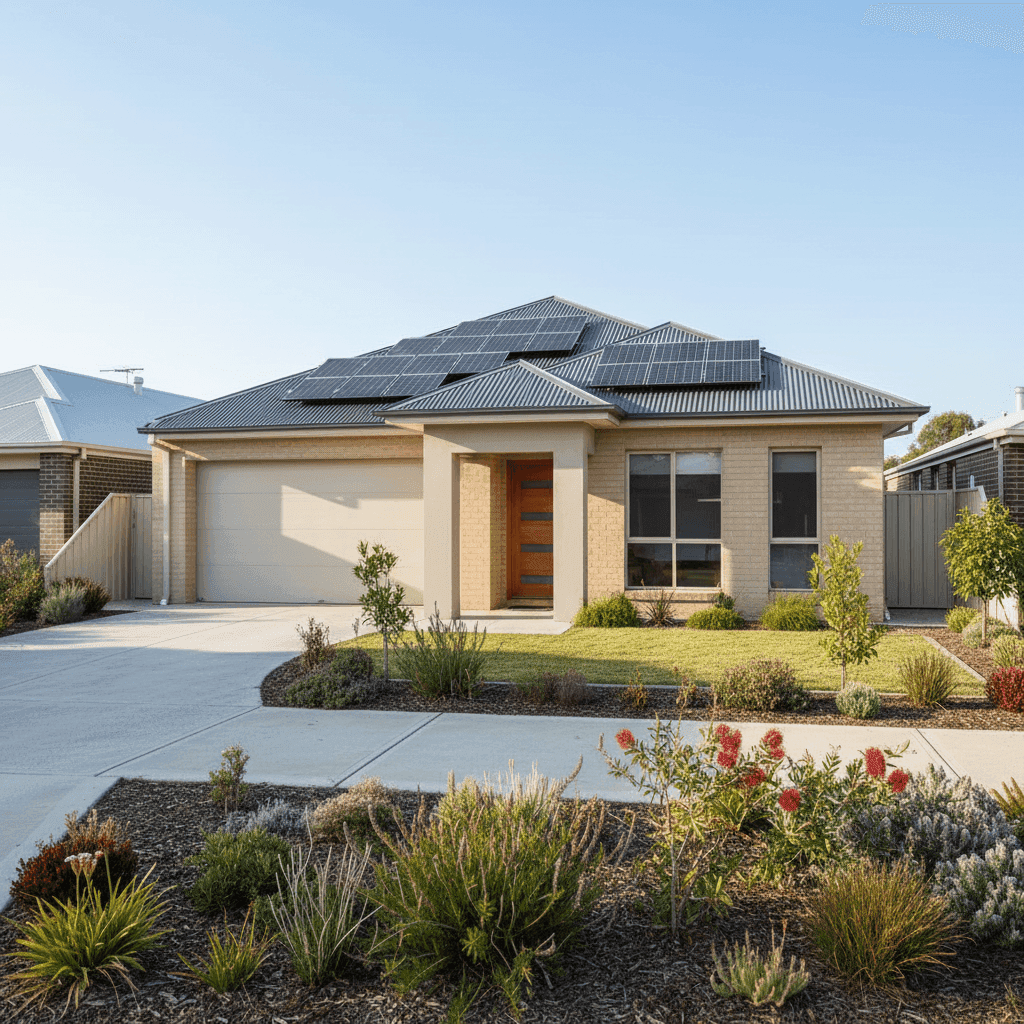
If you own a free standing home in Melville, WA 6156, you already know it's one of Perth's most sought-after suburbs — sitting just south of the Swan River with strong property values and well-established streetscapes. But when it comes to home and contents insurance, are you getting a fair deal? This article breaks down a real quote for a four-bedroom, double brick home in Melville, comparing it against local, state-wide, and national benchmarks so you can make a more informed decision.
---
Is This Quote Fair?
The quote in question sits at $3,611 per year (or $346/month) for combined home and contents cover, with a building sum insured of $700,000 and contents valued at $100,000. The building excess is $2,000 and the contents excess is $1,000.
Our price rating for this quote is EXPENSIVE — above average for the area.
To put that in perspective: the suburb average premium in Melville is just $1,722/year, and the median sits at $1,833/year. This quote is more than double the suburb average, which is a significant gap worth investigating. Even at the 75th percentile — meaning 75% of quotes in the area are cheaper — premiums only reach $2,211/year. This quote exceeds that upper band by nearly $1,400 annually.
That said, context matters. A $700,000 building sum insured is on the higher end, and when you factor in $100,000 of contents cover, the total insured value is substantial. Higher insured values naturally push premiums up. Still, the gap between this quote and the local market suggests there may be room to shop around.
---
How Melville Compares
Understanding where Melville sits in the broader insurance landscape helps frame what "normal" looks like. Here's a quick snapshot:
| Benchmark | Average Premium | Median Premium |
|---|---|---|
| Melville (suburb) | $1,722/yr | $1,833/yr |
| Melville LGA | $1,826/yr | — |
| Western Australia | $2,811/yr | $2,127/yr |
| National | $5,347/yr | $2,764/yr |
A few things stand out here. Melville's suburb average is notably below the WA state average of $2,811/year, suggesting the area is considered relatively low-risk by insurers. This makes sense — Melville is not in a cyclone-prone zone, is not flood-prone like some regional WA areas, and has well-maintained infrastructure.
Interestingly, the national average of $5,347/year is dramatically higher, largely driven by high-risk regions in Queensland, northern WA, and parts of NSW where cyclone, flood, and bushfire risks inflate premiums considerably. By comparison, Melville homeowners are in a relatively favourable position.
You can explore local pricing trends in more detail on the Melville suburb stats page, or broaden your view with WA state insurance data and national home insurance statistics.
Note: Suburb comparison data is based on a sample of 19 quotes, so averages should be treated as indicative rather than definitive.
---
Property Features That Affect Your Premium
Every home is different, and insurers assess a range of property characteristics when calculating your premium. Here's how the features of this particular Melville home come into play:
Double Brick Construction
Double brick is widely regarded as one of the most resilient wall materials available in Australian residential construction. It offers excellent fire resistance, strong structural integrity, and good thermal performance. Insurers generally view double brick favourably, and it can contribute to lower premiums compared to timber-framed or clad homes.
Steel / Colorbond Roof
A Colorbond steel roof is a popular choice across WA and is well-regarded for its durability and resistance to corrosion, fire, and high winds. It typically attracts neutral-to-positive treatment from insurers — certainly better than older tile roofs that may be prone to cracking or displacement.
Concrete Slab Foundation
Slab foundations are standard for homes of this era (built in 2009) and are considered structurally sound. They're less susceptible to the subsidence and movement risks associated with older pier-and-beam foundations, which works in the homeowner's favour.
Timber and Laminate Flooring
While aesthetically appealing and common in homes of this style, timber and laminate flooring can be more expensive to replace than tiles following water damage or other events. This can contribute modestly to higher contents or building reinstatement costs.
Solar Panels
This property has solar panels installed, which add value but also add complexity to an insurance claim. Solar systems are a significant asset — replacement costs can run into the thousands — and it's worth confirming with your insurer exactly how they're covered under your policy.
Ducted Climate Control
Ducted air conditioning systems are another high-value fixture that can increase reinstatement costs for the building. A full ducted system replacement is expensive, and this is factored into the building sum insured.
No Pool, No Cyclone Risk
The absence of a swimming pool removes a common liability and maintenance risk factor. And being outside a designated cyclone risk zone means the property avoids the significant premium loadings that affect homes in northern WA.
---
Tips for Homeowners in Melville
If your premium is coming in above the local average, here are some practical steps to consider:
- Review your sum insured carefully. A $700,000 building sum insured is substantial — make sure it reflects the actual cost to rebuild your home, not its market value. Over-insuring can push your premium up unnecessarily. Use a building cost calculator or speak to a quantity surveyor if you're unsure.
- Compare multiple quotes before renewing. Loyalty doesn't always pay in insurance. Insurers price risk differently, and the same property can attract wildly different premiums across providers. Even if your current insurer has served you well, it's worth benchmarking at renewal time.
- Consider adjusting your excess. This quote carries a $2,000 building excess and $1,000 contents excess. Opting for a higher excess can reduce your annual premium — just make sure the excess is an amount you could comfortably cover out of pocket if you needed to make a claim.
- Check your solar panel coverage. With solar panels on the roof, confirm whether they're covered under the building section, as a separate item, or not at all. Some policies have specific conditions around solar systems, and gaps in cover can be costly to discover at claim time.
---
Ready to Find a Better Deal?
Whether your current premium feels too high or you're just curious how the market looks right now, comparing quotes is the smartest first step. At CoverClub, we make it easy to see what multiple insurers would charge for your specific property — no obligation, no hassle. Get a home insurance quote today and see how much you could save.